




Understanding Load Capacity in Expansion Bolts: A Comprehensive Guide
Nov 10,2024
Understanding Load Capacity in Expansion Bolts: A Comprehensive Guide
Table of Contents
- 1. Introduction to Expansion Bolts
- 2. What is Load Capacity?
- 3. Factors Affecting Load Capacity in Expansion Bolts
- 3.1 Material Quality
- 3.2 Installation Technique
- 3.3 Bolt Diameter and Length
- 3.4 Type of Expansion
- 3.5 Environmental Factors
- 4. Types of Expansion Bolts
- 5. How to Calculate Load Capacity
- 6. Applications of Expansion Bolts
- 7. Safety Considerations When Using Expansion Bolts
- 8. Frequently Asked Questions
- 9. Conclusion
1. Introduction to Expansion Bolts
Expansion bolts are critical components in construction and engineering, designed to anchor objects to solid substrates like concrete or masonry. Understanding their load capacity is essential for ensuring structural integrity and safety. Load capacity refers to the maximum weight or force that a bolt can support before failure. This article explores the intricacies of load capacity in expansion bolts, equipping you with valuable knowledge to enhance your projects.
2. What is Load Capacity?
Load capacity is a fundamental concept in engineering and construction. It defines the maximum load that a fastener, such as an expansion bolt, can withstand without experiencing failure. This capacity is critical to preventing structural failures, which can lead to catastrophic consequences. The load capacity of an expansion bolt is influenced by several factors, including material strength, installation methods, and environmental conditions.
3. Factors Affecting Load Capacity in Expansion Bolts
To comprehend load capacity fully, we must examine the various factors that affect it. Understanding these elements can help optimize the use of expansion bolts in different scenarios.
3.1 Material Quality
The material from which expansion bolts are made significantly impacts their load capacity. High-strength materials, such as stainless steel or carbon steel, offer superior load-bearing capabilities. It's essential to choose bolts fabricated from materials that meet the specific requirements of your application. Poor material quality can lead to premature failure, jeopardizing the structure's integrity.
3.2 Installation Technique
Proper installation techniques are crucial for maximizing the load capacity of expansion bolts. Incorrectly installed bolts may fail under load due to inadequate anchoring. Ensure that the installation follows the manufacturer's guidelines and best practices. This may include pre-drilling holes to the appropriate size and depth, aligning the bolt correctly, and applying the right torque for tightening.
3.3 Bolt Diameter and Length
The diameter and length of an expansion bolt directly influence its load capacity. Larger diameter bolts typically have higher load capacities, as they distribute the load over a larger surface area. Similarly, longer bolts can grip more material, enhancing their holding strength. When selecting expansion bolts, consider the required diameter and length for your specific application.
3.4 Type of Expansion
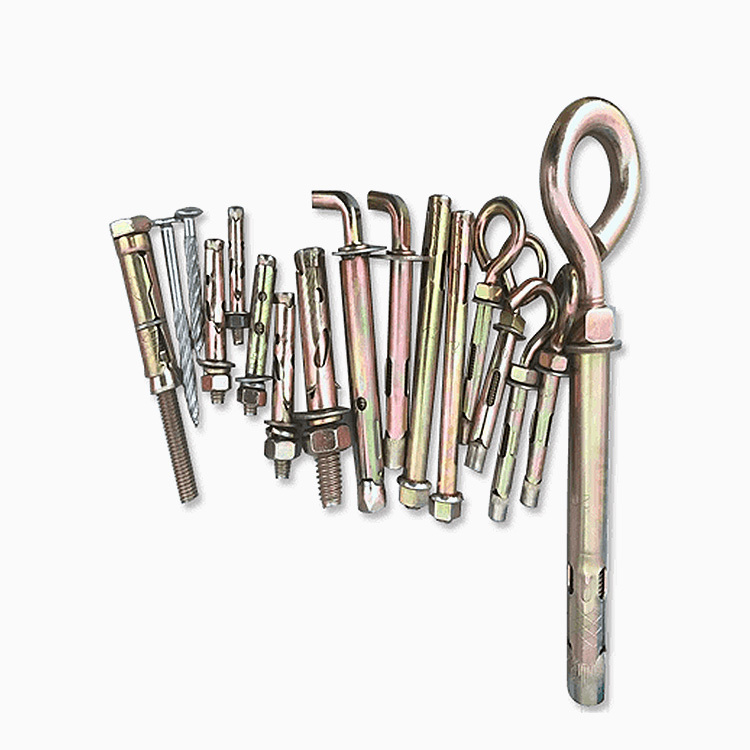
Different types of expansion mechanisms affect load capacity. Common types include wedge anchors, sleeve anchors, and toggle bolts. Each type offers unique advantages and is suited for specific applications:
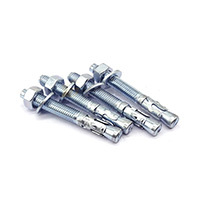
- **Wedge Anchors**: Ideal for heavy loads, these bolts expand against the sides of the hole, creating a strong hold.
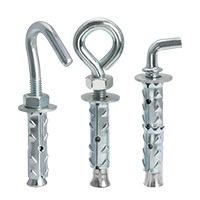
- **Sleeve Anchors**: Versatile for various materials, sleeve anchors expand within the drilled hole, providing a robust connection.
- **Toggle Bolts**: Effective in hollow walls, toggle bolts utilize a spring-loaded mechanism that opens inside the wall for secure anchoring.
Selecting the right type of expansion bolt is vital to achieving optimal load capacity for your project.
3.5 Environmental Factors
Environmental conditions can significantly impact the load capacity of expansion bolts. Factors such as temperature, humidity, and exposure to chemicals can weaken the material over time. For outdoor applications, consider using corrosion-resistant materials or coatings to enhance the longevity and performance of expansion bolts.
4. Types of Expansion Bolts
Expansion bolts come in various types, each designed for specific applications. Understanding these types can guide you in selecting the best option for your needs.
- **Wedge Anchors**: These are among the strongest expansion bolts, ideal for heavy-duty applications. Wedge anchors are available in various sizes and lengths.
- **Sleeve Anchors**: Suitable for both solid and hollow materials, sleeve anchors provide a reliable hold and can be used in diverse construction scenarios.
- **Drop-In Anchors**: Designed for flush mounting, drop-in anchors are perfect for applications where a smooth surface is required.
- **Toggle Bolts**: Used primarily in hollow walls, toggle bolts offer excellent holding power in less dense materials.
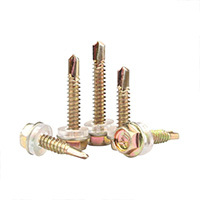
- **Concrete Screws**: These screws are directly installed into the concrete and provide a quick and effective anchoring solution.
Choosing the right type depends on the specific requirements of your project, including the material being anchored and the expected load.
5. How to Calculate Load Capacity
Calculating the load capacity of expansion bolts involves understanding several engineering principles. Consider the following formula to estimate the load capacity:
**Load Capacity = Tensile Strength × Cross-Sectional Area**
Where:
- **Tensile Strength**: The maximum stress a material can withstand while being stretched or pulled before failing.
- **Cross-Sectional Area**: The surface area through which the load is applied.
By determining the tensile strength of the bolt material and its cross-sectional area, you can obtain an estimate of its load capacity. Note that this calculation should consider safety factors, accounting for unforeseen stresses that could arise during usage.
6. Applications of Expansion Bolts
Expansion bolts find applications in various industries, including construction, manufacturing, and maintenance. Their versatility makes them suitable for:
- **Building Structures**: Used in concrete and masonry to secure beams, brackets, and other structural components.
- **Heavy Machinery Installation**: They anchor heavy equipment securely to the floor, ensuring stability and safety.
- **Hanging Fixtures**: Ideal for securing overhead fixtures like lighting, HVAC units, and signage.
- **Railings and Fencing**: They provide a strong hold for outdoor railings and fencing, enhancing safety in public spaces.
The adaptability of expansion bolts makes them indispensable in a wide range of applications.
7. Safety Considerations When Using Expansion Bolts
Safety should always be the top priority when using expansion bolts. Here are several precautions to follow:
- **Verify Compatibility**: Ensure that the expansion bolt is compatible with the material being anchored.
- **Follow Manufacturer Guidelines**: Adhere to the manufacturer's instructions for installation and weight limits.
- **Inspect Regularly**: Conduct routine inspections to identify wear or corrosion that could compromise load capacity.
- **Account for Dynamic Loads**: For applications subject to movement (such as machinery), account for dynamic loads in your calculations.
By following these guidelines, you can help ensure safe and effective use of expansion bolts in your projects.
8. Frequently Asked Questions
What is the difference between expansion bolts and regular bolts?
Expansion bolts are specifically designed to anchor into solid materials, expanding upon installation to create a secure grip. Regular bolts, on the other hand, rely on threads and may not provide the same level of anchoring in solid substrates.
How do I determine the right size expansion bolt for my project?
Select the bolt size based on the load requirements and the type of material being anchored. Refer to manufacturer specifications for load ratings associated with different sizes.
Can I reuse expansion bolts?
Reusing expansion bolts is generally not advisable, as they may lose their anchoring strength after the first use. Always use new bolts for critical applications.
What maintenance do expansion bolts require?
Routine inspections for any signs of corrosion, wear, or loosening are essential. Replace any damaged bolts promptly to maintain safety.
Are there specific codes or standards for using expansion bolts?
Yes, various building codes and standards govern the use of expansion bolts. Always check local regulations to ensure compliance.
9. Conclusion
Understanding the load capacity of expansion bolts is crucial for ensuring the safety and reliability of various applications. By considering factors such as material quality, installation techniques, and environmental conditions, we can optimize the performance of these essential components. With a variety of types available, selecting the right expansion bolt for your specific needs is paramount. Adhering to safety guidelines and regularly inspecting your installations will further enhance the integrity of your projects. In this way, knowledge of load capacity in expansion bolts empowers us to build safer and more resilient structures.
Hot Tags:

Contact
E-mail:
Phone:
Address:
Yongnian Southwest Development Zone, Handan City, Hebei Province


PRODUCT SEARCH
Search And Quickly Find The Products You Need
The company has a modern production workshop and a professional technical team. It has introduced advanced automated production equipment from home and abroad, strictly controls every production link, is customer-centric, and is committed to providing customers with high-quality products and services.
Continue Search OR Customize Products