




Choosing the Right Hexagon Socket Bolt: A Comprehensive Buyer’s Checklist
Dec 12,2025
Choosing the Right Hexagon Socket Bolt: A Comprehensive Buyer’s Checklist
Table of Contents
- Introduction to Hexagon Socket Bolts
- Understanding Hexagon Socket Bolts
- Key Specifications to Consider
- Material Types and Their Applications
- Dimensions and Fit: Ensuring Accuracy
- Quality Standards and Certifications
- Installation Guidelines for Maximum Performance
- Common Mistakes to Avoid
- Frequently Asked Questions
- Conclusion: Making an Informed Purchase
Introduction to Hexagon Socket Bolts
Selecting the right hexagon socket bolt is crucial for the stability and longevity of any assembly or construction project. These fasteners, characterized by their hexagonal recessed heads, facilitate the use of Allen keys for effective tightening. Choosing the wrong bolt can lead to structural failures, increased maintenance costs, and safety hazards. This guide provides a comprehensive checklist to help you make informed decisions when purchasing hexagon socket bolts.
Understanding Hexagon Socket Bolts
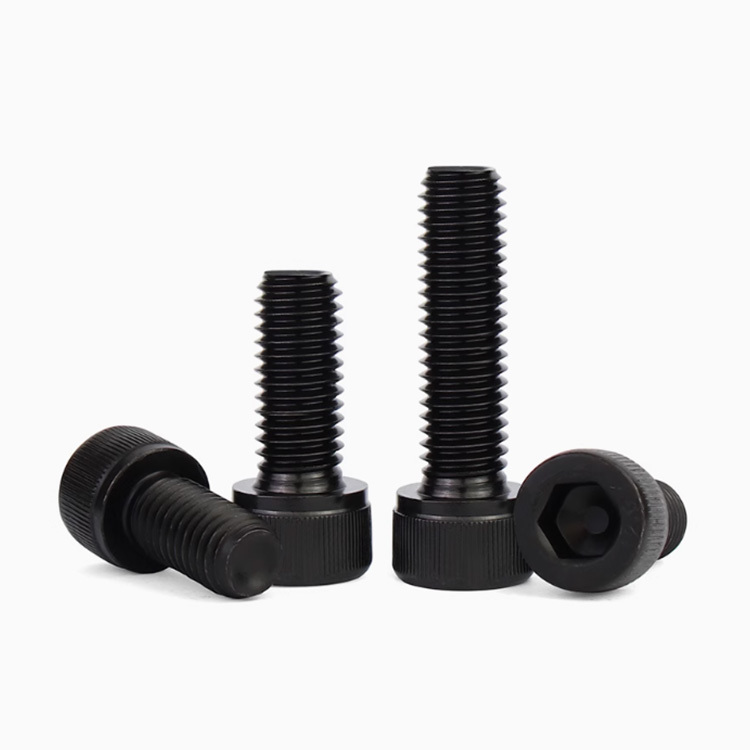
Hexagon socket bolts, also known as Allen bolts, are widely used in industrial settings due to their robustness and ease of use. Unlike traditional bolts, their design allows for the application of higher torque without the risk of stripping. This unique feature makes them ideal for various applications, from automotive to construction.
The Anatomy of a Hexagon Socket Bolt
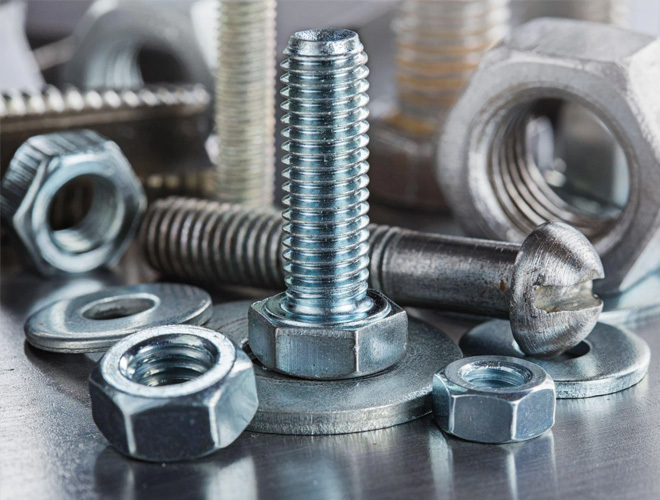
A typical hexagon socket bolt consists of several components:
- **Head**: The hexagonal top that requires an Allen key for driving.
- **Shank**: The long cylindrical part that provides the bolt's length.
- **Thread**: The helical ridge that runs along the shank, which secures the bolt into a threaded hole.
Understanding these components is important when considering the bolt's function and compatibility with your project.
Key Specifications to Consider
When selecting hexagon socket bolts, certain specifications must be taken into account to ensure optimal performance:
1. Thread Size and Pitch
The thread size and pitch must match the corresponding tapped hole in your application. Common thread sizes include M3, M4, M5, M6, and M8.
2. Length
The length of the bolt is critical; it should extend sufficiently through the materials being fastened without protruding excessively. A bolt that is too short may not provide adequate holding power, while one that is too long can create unnecessary obstructions.
3. Drive Style
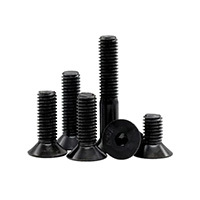
Hexagon socket bolts come in various drive styles, including standard hex, countersunk, and flanged. Each style serves a different purpose, so understanding your project's needs is essential.
Material Types and Their Applications
The material of a hexagon socket bolt plays a significant role in its performance and longevity. Here are some common materials used in manufacturing these bolts:
1. Carbon Steel
Carbon steel is the most common material used due to its strength and cost-effectiveness. It is ideal for general-purpose applications but may require coatings for rust resistance.
2. Stainless Steel
For applications requiring corrosion resistance, stainless steel is an excellent choice. Its durability makes it suitable for outdoor or humid environments.
3. Alloy Steel
Alloy steel bolts are treated for enhanced strength and hardness, making them ideal for high-stress applications, such as in machinery or automotive industries.
4. Brass and Aluminum
Brass is used in applications requiring low magnetic permeability, while aluminum offers lightweight properties ideal for aviation and automotive industries.
Dimensions and Fit: Ensuring Accuracy
The fit and dimension of a hexagon socket bolt are crucial in achieving the desired performance. Here’s how to ensure you get the right fit:
1. Measuring Diameter
Use calipers to measure the diameter of the hole where the bolt will be installed to ensure compatibility.
2. Checking Thread Fit
Ensure that the bolt threads match the threads of the nut or hole to avoid cross-threading.
3. Using Washers
Sometimes, using washers can help distribute the load and improve the grip, especially in softer materials.
Quality Standards and Certifications
Quality assurance is paramount when purchasing hexagon socket bolts. Look for bolts that adhere to industry standards such as ISO, ASTM, or DIN. These certifications ensure that the bolts meet specific performance criteria and have undergone rigorous testing.
Installation Guidelines for Maximum Performance
Proper installation of hexagon socket bolts is just as important as choosing the right one. Here are key guidelines to follow:
1. Pre-Drilling
If installing in hard materials, pre-drill the hole to avoid damaging the bolt or workpiece.
2. Use of Lubricants
Applying a lubricant on the threads can reduce friction and prevent galling during installation, particularly in stainless steel bolts.
3. Torque Specifications
Always adhere to the recommended torque specifications provided by the manufacturer to avoid over-tightening, which can lead to bolt failure.
Common Mistakes to Avoid
Avoiding common pitfalls can save you time and resources. Here are mistakes to watch out for:
1. Ignoring Load Ratings
Always check the load ratings of the bolt. Using a bolt that cannot handle the required load can lead to catastrophic failures.
2. Neglecting Environmental Factors
Consider the environment where the bolt will be used. Exposure to moisture, chemicals, or extreme temperatures can affect performance.
3. Skipping Quality Checks
Do not overlook the importance of quality checks. Using subpar bolts can compromise the integrity of your entire assembly.
Frequently Asked Questions
1. What is a hexagon socket bolt?
A hexagon socket bolt is a type of fastener with a hexagonal recess in its head that allows for tightening using an Allen key.
2. What materials are hexagon socket bolts made from?
These bolts can be made from various materials, including carbon steel, stainless steel, alloy steel, brass, and aluminum, each serving different application needs.
3. How do I know which size bolt to choose?
Measure the diameter and depth of the hole where the bolt will go, and match it with the appropriate thread size and length.
4. Can I use hexagon socket bolts for outdoor applications?
Yes, but it’s best to use stainless steel or coated bolts to prevent corrosion in outdoor settings.
5. Are there specific torque specifications for installation?
Yes, manufacturers typically provide torque specifications that should be followed to avoid over-tightening or under-tightening.
Conclusion: Making an Informed Purchase
Choosing the right hexagon socket bolt involves careful consideration of several factors, including specifications, material types, and application needs. By following the outlined buyer's checklist, you can make informed decisions that will enhance the strength and durability of your projects. Remember that proper installation and adherence to quality standards are equally important in ensuring the longevity and performance of your fasteners. With this guide, we aim to empower you to select the best hexagon socket bolts for your specific needs.
Hot Tags:

Contact
E-mail:
Phone:
Address:
Yongnian Southwest Development Zone, Handan City, Hebei Province


PRODUCT SEARCH
Search And Quickly Find The Products You Need
The company has a modern production workshop and a professional technical team. It has introduced advanced automated production equipment from home and abroad, strictly controls every production link, is customer-centric, and is committed to providing customers with high-quality products and services.
Continue Search OR Customize Products