




Unlocking Efficiency: The Essential Role of Hexagon Socket Bolts in Industrial Equipment
Nov 12,2024
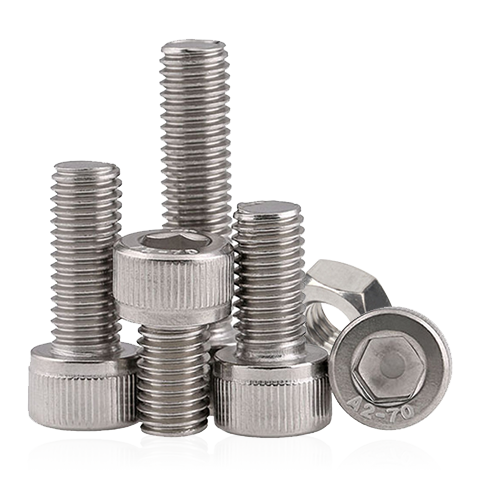
Unlocking Efficiency: The Essential Role of Hexagon Socket Bolts in Industrial Equipment
Table of Contents
1. Introduction to Hexagon Socket Bolts
2. Benefits of Using Hexagon Socket Bolts in Industrial Applications
2.1 Enhanced Torque Transmission
2.2 Improved Accessibility in Tight Spaces
2.3 Increased Load-Bearing Capacity
3. Key Industries Utilizing Hexagon Socket Bolts
3.1 Automotive Industry
3.2 Construction and Infrastructure
3.3 Aerospace and Defense
4. Selecting the Right Hexagon Socket Bolt
4.1 Material Considerations
4.2 Size and Thread Type
4.3 Coating and Finishing Options
5. Best Practices for Installing Hexagon Socket Bolts
5.1 Tools Required for Installation
5.2 Torque Specifications and Guidelines
6. Common Issues and Troubleshooting
6.1 Stripped Threads
6.2 Corrosion and Wear
7. Conclusion
8. Frequently Asked Questions (FAQs)
1. Introduction to Hexagon Socket Bolts
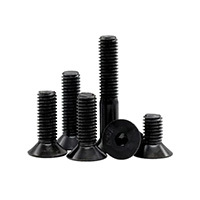
Hexagon socket bolts, often referred to as Allen bolts or hex key bolts, are essential components in industrial equipment across various sectors. Characterized by their hexagonal recess, these bolts require a specific hex key or Allen wrench for tightening and loosening. Their design not only enhances the ease of use but also provides a secure and stable fastening solution, making them a preferred choice in many applications.
2. Benefits of Using Hexagon Socket Bolts in Industrial Applications
The adoption of hexagon socket bolts in industrial settings offers multiple benefits that contribute to overall efficiency and reliability.
2.1 Enhanced Torque Transmission
One of the primary advantages of hexagon socket bolts is their ability to transmit torque effectively. The hexagonal shape allows for more contact area with the wrench, resulting in better torque application without stripping the fastener. This feature is particularly crucial in high-stress environments where precise fastening is essential.
2.2 Improved Accessibility in Tight Spaces
Hexagon socket bolts are designed to be used in confined spaces, where traditional bolts may pose challenges. Their recessed head allows for the use of a shorter tool, making it easier to work in tight areas commonly found in machinery and equipment.
2.3 Increased Load-Bearing Capacity
The robust construction of hexagon socket bolts often leads to a greater load-bearing capacity compared to standard fasteners. This makes them suitable for heavy-duty applications where structural integrity is crucial.
3. Key Industries Utilizing Hexagon Socket Bolts
Hexagon socket bolts find their application in various industries, each benefiting from their unique properties.
3.1 Automotive Industry
In the automotive sector, hexagon socket bolts are commonly used in engine assemblies, chassis components, and other critical parts. Their strength and reliability ensure that vehicles can withstand the demands of performance and safety.
3.2 Construction and Infrastructure
The construction industry utilizes hexagon socket bolts in structural steel connections, machinery, and scaffolding. Their ability to provide secure fastening in load-bearing applications makes them indispensable in building and infrastructure projects.
3.3 Aerospace and Defense
In aerospace applications, where safety and precision are paramount, hexagon socket bolts are employed in various assemblies, from aircraft frames to engine components. Their lightweight yet strong design is ideal for meeting stringent industry standards.
4. Selecting the Right Hexagon Socket Bolt
When it comes to selecting hexagon socket bolts, several factors need to be considered to ensure optimal performance.
4.1 Material Considerations
Hexagon socket bolts are available in various materials, including stainless steel, carbon steel, and alloy steel. The choice of material directly impacts the bolt's strength, corrosion resistance, and suitability for different environments.
4.2 Size and Thread Type
Determining the correct size and thread type is crucial for achieving a secure fit. It's essential to consider the specific application requirements and consult industry standards to choose the appropriate dimensions.
4.3 Coating and Finishing Options
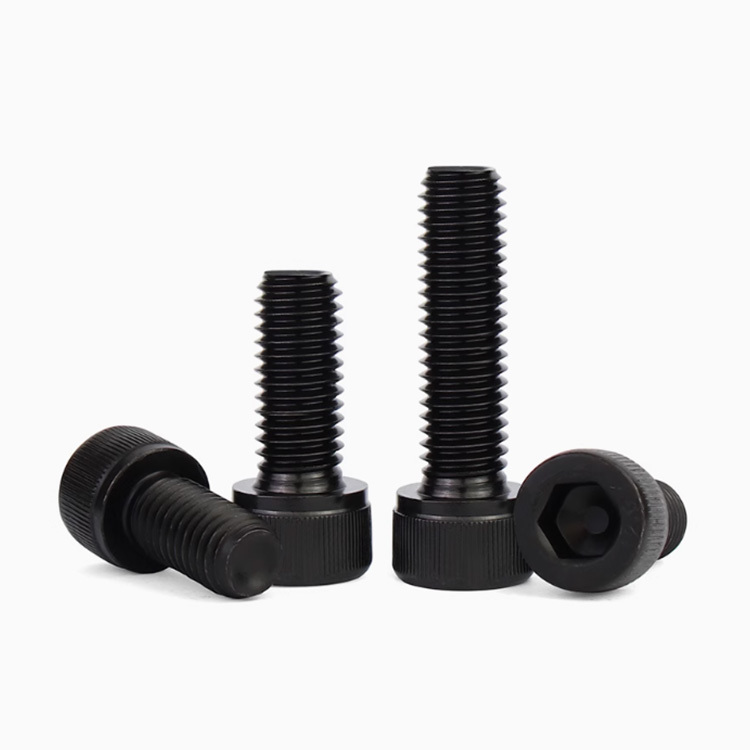
Coatings can enhance the performance of hexagon socket bolts by providing additional protection against corrosion and wear. Options such as zinc plating, black oxide, and epoxy coatings can significantly extend the lifespan of these fasteners in harsh environments.
5. Best Practices for Installing Hexagon Socket Bolts
Proper installation of hexagon socket bolts is vital for ensuring safety and performance in industrial applications.
5.1 Tools Required for Installation
Using the correct tools is essential for achieving the desired torque and avoiding damage. A high-quality hex key or socket wrench should be selected based on the bolt size to ensure a snug fit.
5.2 Torque Specifications and Guidelines
Following manufacturer torque specifications is critical to prevent issues such as stripping or over-tightening. Utilizing a torque wrench can help achieve the optimal tension required for the specific application.
6. Common Issues and Troubleshooting
Despite their advantages, hexagon socket bolts can present challenges if not properly maintained or installed.
6.1 Stripped Threads
Stripped threads can occur due to overtightening or using the wrong size tool. Regular inspections and proper installation techniques can help mitigate this issue.
6.2 Corrosion and Wear
Corrosion can compromise the integrity of hexagon socket bolts, particularly in exposed environments. Selecting the right material and coatings can help protect against environmental factors.
7. Conclusion
Hexagon socket bolts play a crucial role in enhancing the efficiency and reliability of industrial equipment. Their unique design, combined with the benefits of improved torque transmission and accessibility, makes them an invaluable fastening solution across various industries. By understanding the selection process, installation best practices, and potential issues, manufacturers can leverage these bolts to improve performance and durability in their operations.
8. Frequently Asked Questions (FAQs)
Q1: What materials are hexagon socket bolts made from?
A1: Hexagon socket bolts can be made from various materials, including stainless steel, carbon steel, and alloy steel, each offering different properties suitable for specific applications.
Q2: How do I choose the right size hexagon socket bolt?
A2: Selecting the appropriate size involves considering the specific application requirements, including load capacity, thread type, and environmental factors.
Q3: What is the best way to install hexagon socket bolts?
A3: Use a high-quality hex key or socket wrench, follow the manufacturer's torque specifications, and ensure the bolt is properly aligned to prevent stripping.
Q4: Can hexagon socket bolts be reused?
A4: Reusing hexagon socket bolts is possible, but it's essential to inspect them for wear or damage before reinstallation to ensure safety and performance.
Q5: How can I prevent corrosion on hexagon socket bolts?
A5: Using bolts made from corrosion-resistant materials or applying protective coatings can help prevent corrosion and extend the lifespan of hexagon socket bolts in harsh environments.
Hot Tags:

Contact
E-mail:
Phone:
Address:
Yongnian Southwest Development Zone, Handan City, Hebei Province


PRODUCT SEARCH
Search And Quickly Find The Products You Need
The company has a modern production workshop and a professional technical team. It has introduced advanced automated production equipment from home and abroad, strictly controls every production link, is customer-centric, and is committed to providing customers with high-quality products and services.
Continue Search OR Customize Products