




The Connection Between Safety Standards and Hexagonal Self-Cutting Anchors: Ensuring Structural Integrity and Compliance
Nov 14,2024
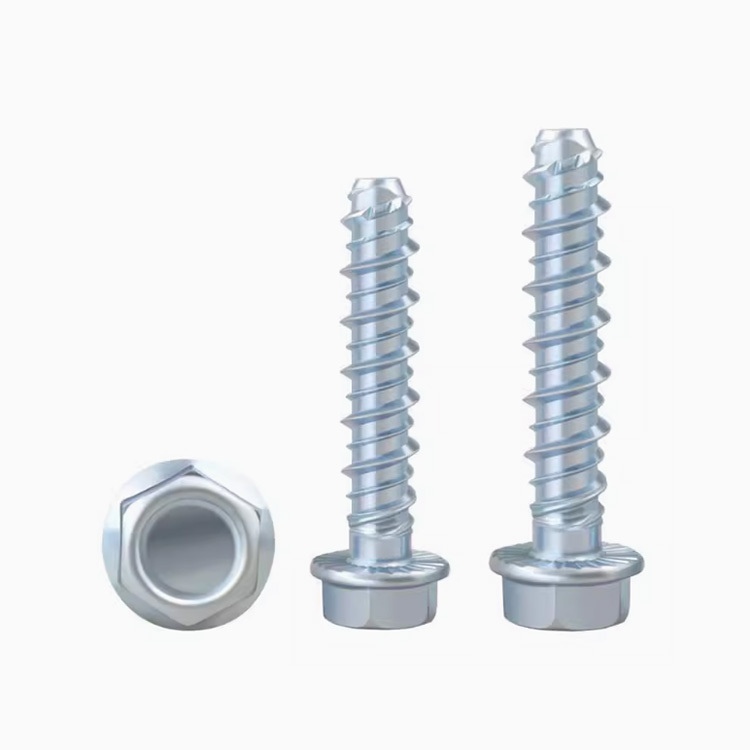
The Connection Between Safety Standards and Hexagonal Self-Cutting Anchors
Introduction: The Importance of Safety in Industrial Applications
In the realm of **industrial equipment and components**, ensuring safety is paramount. Improper use of fastening elements can lead to catastrophic failures, resulting in injuries, financial loss, and damage to equipment. Among the most essential fastening solutions are **hexagonal self-cutting anchors**, which serve a critical role in many applications. This article explores the connection between safety standards and these anchors, highlighting their design, applications, and compliance measures.
What Are Hexagonal Self-Cutting Anchors?
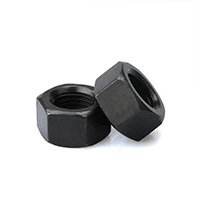
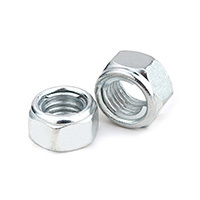
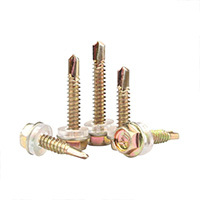
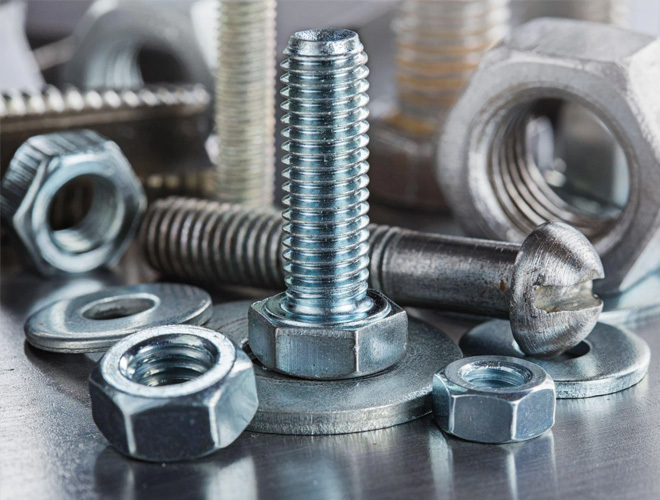
Hexagonal self-cutting anchors are specialized fasteners designed for easy installation into various materials, including concrete, brick, and masonry. Unlike traditional anchors, they feature a hexagonal head that allows for the use of standard tools and provides a secure grip. Their self-cutting design means they can create their own thread upon installation, which enhances their holding power and reduces the risk of damaging the surrounding material.
Key Features of Hexagonal Self-Cutting Anchors
1. **Self-Cutting Design**: This feature allows the anchor to penetrate and create a thread without pre-drilling, saving time and labor costs.
2. **Durable Materials**: Typically made from high-strength steel or corrosion-resistant materials, these anchors offer excellent performance in various environments.
3. **Versatile Applications**: Suitable for both structural and non-structural applications, they can be used in mounting, fastening, and securing a wide range of items.
The Role of Safety Standards in Industrial Fastening
Safety standards are established guidelines designed to ensure the reliability and safety of products used in industrial applications. These standards govern various aspects, including material quality, design specifications, and installation practices.
Understanding Safety Standards Relevant to Fasteners
The following standards are critical in the context of hexagonal self-cutting anchors:
- **ISO 9001**: This international standard specifies requirements for quality management systems, ensuring that manufacturing processes meet high-quality benchmarks.
- **ASTM A193**: This standard outlines the mechanical properties of alloy and stainless steel bolting materials, ensuring performance under high-stress conditions.
- **EN 15048**: A European standard that defines requirements for non-preloaded structural bolting assemblies, ensuring safety and reliability in structural applications.
The Impact of Non-Compliance
Non-compliance with safety standards can lead to severe consequences, including structural failures, legal liabilities, and increased costs due to product recalls or repairs. Organizations must prioritize adherence to these standards to safeguard their operations and reputation.
How to Ensure Compliance with Safety Standards
Proper practices can significantly enhance compliance with safety standards related to hexagonal self-cutting anchors. Below are essential steps to consider:
1. Conduct Thorough Material Selection
Selecting the right materials is crucial for compliance. Ensure that the hexagonal self-cutting anchors you choose meet industry standards specified for the application. This includes evaluating their tensile strength, corrosion resistance, and other mechanical properties.
2. Implement Rigorous Testing Procedures
Testing is an integral part of ensuring compliance. Utilize mechanical testing methods—such as shear tests, tensile tests, and fatigue tests—to evaluate the anchors' performance under various conditions.
3. Provide Staff Training and Resources
Training personnel on the correct installation processes and the significance of using compliant products can reduce errors and enhance safety. Providing access to resources, such as installation guidelines and safety data sheets, can further support compliance efforts.
4. Maintain Proper Documentation
Documentation is vital for demonstrating compliance with safety standards. Maintain thorough records of material specifications, testing results, and installation procedures. This documentation can serve as evidence of adherence to regulations during audits.
Applications of Hexagonal Self-Cutting Anchors
Hexagonal self-cutting anchors find extensive use in various applications across multiple industries. Their versatility and reliability make them a preferred choice for many projects.
1. Construction and Building Projects
In the construction industry, these anchors are often used for securing structural components, such as beams, columns, and hangers. Their ability to provide strong, stable connections is essential for the integrity of buildings.
2. Electrical and Mechanical Installations
Hexagonal self-cutting anchors are commonly employed in electrical installations to securely attach conduit and wiring. Additionally, they can be used in mechanical assemblies, providing robust connections essential for machinery and equipment.
3. Automotive Industry Uses
In automotive applications, these anchors can secure various components, from chassis parts to interior fixtures. Their ability to withstand vibrations and stresses makes them ideal for automotive manufacturing.
Best Practices for Installing Hexagonal Self-Cutting Anchors
To maximize the effectiveness of hexagonal self-cutting anchors, adherence to best practices during installation is crucial.
1. Prepare the Installation Site
Before installation, ensure the surface is clean and free from debris. This preparation helps the anchor to achieve optimal holding strength.
2. Utilize Appropriate Tools
Using the correct tools, such as impact drivers or torque wrenches, ensures that the anchors are installed to the manufacturer’s specifications. Using improper tools can lead to inadequate performance or damage to the anchor.
3. Monitor Torque Specifications
Understanding and adhering to torque specifications is vital for the performance of hexagonal self-cutting anchors. Over-tightening can lead to stripping the threads, while under-tightening may result in insufficient holding power.
4. Conduct Post-Installation Inspections
After installation, conduct thorough inspections to verify that the anchors are secure. Regular maintenance checks can identify potential issues before they escalate.
Frequently Asked Questions (FAQs)
1. What are the benefits of using hexagonal self-cutting anchors?
Hexagonal self-cutting anchors provide several advantages, including ease of installation, strong holding power, and versatility across various materials.
2. Are hexagonal self-cutting anchors suitable for outdoor use?
Yes, when made from corrosion-resistant materials, hexagonal self-cutting anchors can be effectively used in outdoor applications.
3. How do I choose the right size of anchor for my project?
The size of the anchor should be determined based on the load requirements and the material in which it will be installed. Refer to manufacturer specifications for guidance.
4. Can hexagonal self-cutting anchors be reused?
While it's possible to remove and reuse hexagonal self-cutting anchors, frequent removal may compromise their integrity. It's advisable to use new anchors for critical applications.
5. What should I do if an anchor fails during installation?
If an anchor fails, assess the reason for failure. It may be due to improper installation, unsuitable materials, or exceeding load limits. Replace the anchor with a compliant option and ensure proper installation practices are followed.
Conclusion
The connection between safety standards and hexagonal self-cutting anchors is a critical aspect of ensuring structural integrity in industrial applications. By understanding the importance of compliance with established safety regulations, selecting suitable materials, implementing rigorous testing, and following best practices during installation, organizations can enhance safety and reliability. As the industry evolves, staying updated on safety standards and innovations in anchor technology will continue to be essential for maintaining operational excellence and protecting both personnel and assets.

Contact
E-mail:
Phone:
Address:
Yongnian Southwest Development Zone, Handan City, Hebei Province


PRODUCT SEARCH
Search And Quickly Find The Products You Need
The company has a modern production workshop and a professional technical team. It has introduced advanced automated production equipment from home and abroad, strictly controls every production link, is customer-centric, and is committed to providing customers with high-quality products and services.
Continue Search OR Customize Products