




Understanding the Importance of Hexagon Flange Bolts in Industrial Applications
Nov 20,2024
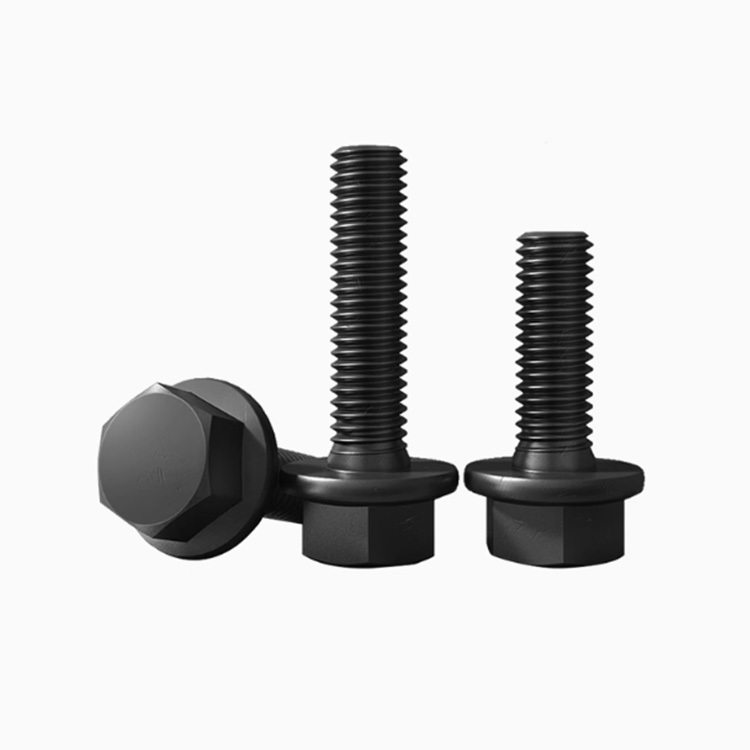
Understanding the Importance of Hexagon Flange Bolts in Industrial Applications
Table of Contents
- 1. Introduction to Hexagon Flange Bolts
- 2. Design Features of Hexagon Flange Bolts
- 3. Key Applications of Hexagon Flange Bolts in Industry
- 4. Advantages of Using Hexagon Flange Bolts
- 5. Proper Installation Techniques
- 6. Common Material Types Used
- 7. Standards and Certifications
- 8. Maintenance and Inspection Guidelines
- 9. Conclusion
- 10. FAQs
1. Introduction to Hexagon Flange Bolts
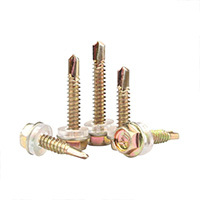
In the realm of industrial fastening solutions, **hexagon flange bolts** play a pivotal role. These specialized fasteners feature a unique design that integrates a **flanged bearing surface** with a hexagonal head, making them indispensable in various applications. Understanding their significance begins with recognizing their functionality and how they enhance the integrity of structures and machinery.
2. Design Features of Hexagon Flange Bolts
Hexagon flange bolts are characterized by several key **design features**:
Flanged Head
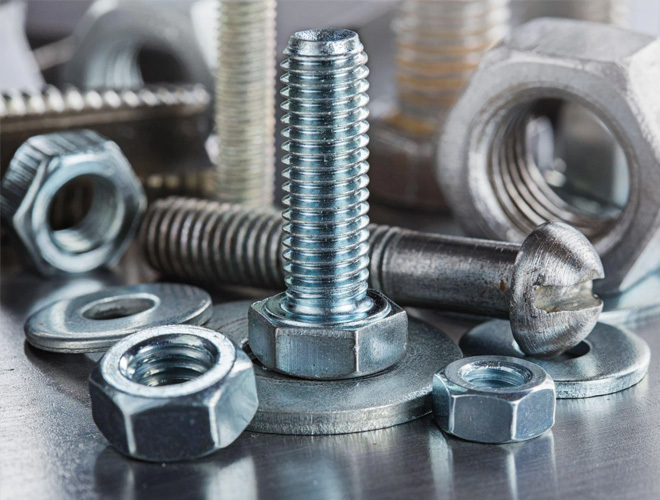
The most striking feature of hexagon flange bolts is their **flanged head**, which provides a larger surface area compared to standard hex bolts. This design allows for better load distribution, reducing the risk of damage to the connected materials.
Hexagonal Shape
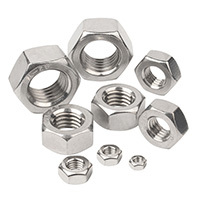
Their **hexagonal shape** allows for easy gripping and tightening with standard tools, providing versatility in various settings, including tight spaces where maneuverability is limited.
Thread Design
The threading on hexagon flange bolts is typically designed for enhanced grip and resistance to loosening, making them ideal for high-vibration environments. The **coarse threads** facilitate easier installation while ensuring reliable performance.
3. Key Applications of Hexagon Flange Bolts in Industry
Hexagon flange bolts find extensive applications across multiple industries. Their robust design and reliable performance make them suitable for:
Aerospace Engineering
In aerospace applications, where safety and reliability are paramount, hexagon flange bolts are often used to secure critical components, ensuring structural integrity under extreme conditions.
Automotive Manufacturing
Automakers rely on these bolts to connect various parts of vehicles, from engines to chassis components. Their ability to withstand high stress and vibration makes them ideal for automotive applications.
Construction and Structural Engineering
In construction, hexagon flange bolts provide the necessary strength to hold structural elements together, such as beams, columns, and trusses, contributing to the overall safety and stability of buildings.
Marine Applications
The marine industry benefits from the corrosion resistance of specific hexagon flange bolts, which are designed to withstand harsh environmental conditions, ensuring the safety of vessels and offshore structures.
4. Advantages of Using Hexagon Flange Bolts
The decision to use hexagon flange bolts comes with numerous advantages:
Enhanced Load Distribution
The flanged head allows for better load distribution across the surface, minimizing the risk of material deformation and enhancing overall joint strength.
Reduced Risk of Bolt Loosening
The design inherently resists loosening due to vibrations, which is particularly beneficial in applications subject to dynamic forces.
Versatility and Compatibility
Hexagon flange bolts are compatible with various materials and can be adapted to fit different applications, making them a versatile choice for engineers and designers.
Ease of Installation and Removal
Their design allows for easy installation and removal, saving time and labor costs during assembly and maintenance.
5. Proper Installation Techniques
For optimal performance, following proper installation techniques is crucial:
Preparation of Surfaces
Ensure that the surfaces being joined are clean, flat, and free from debris or corrosion.
Torque Specifications
Adhere to the manufacturer's torque specifications to achieve the desired clamping force without exceeding the yield strength of the bolt.
Use of Washers
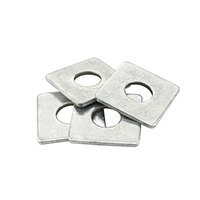
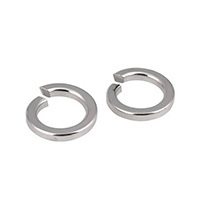
In some cases, it may be beneficial to use washers to further distribute the load and prevent surface damage.
6. Common Material Types Used
Hexagon flange bolts can be manufactured from a variety of materials, each suited to specific applications:
Carbon Steel
Carbon steel is commonly used for general applications, offering good strength and durability.
Stainless Steel
For environments prone to corrosion, stainless steel hexagon flange bolts provide excellent resistance to rust and degradation.
Alloy Steel
Alloy steel options are available for applications requiring heightened strength and toughness, suitable for high-stress environments.
7. Standards and Certifications
To ensure quality and safety, hexagon flange bolts must adhere to various industry standards and certifications. Familiarizing oneself with these standards can help in selecting the right fasteners for specific applications. Common standards include:
ISO Standards
The International Organization for Standardization (ISO) provides guidelines for the production and testing of fasteners.
ASTM Standards
The American Society for Testing and Materials (ASTM) outlines specifications for the mechanical properties of metals, ensuring that bolts meet necessary strength criteria.
8. Maintenance and Inspection Guidelines
Regular maintenance and inspection are vital to ensuring the longevity and reliability of hexagon flange bolts:
Visual Inspections
Conduct routine visual inspections to check for signs of wear, corrosion, or deformation.
Tightness Checks
Periodically check the tightness of the bolts, particularly in applications subject to high vibrations.
Replacement Practices
Replace any bolts showing signs of damage or wear to prevent failure and ensure continued safety in operations.
9. Conclusion
Hexagon flange bolts are more than just fasteners; they are critical components that enhance the reliability and safety of various industrial applications. Their unique design, combined with a range of material options and adherence to industry standards, positions them as a preferred choice for engineers and manufacturers alike. Understanding their importance can lead to better decision-making in project planning and implementation, ultimately contributing to the overall success of industrial operations.
10. FAQs
What makes hexagon flange bolts different from regular bolts?
Hexagon flange bolts feature a flanged head, which allows for better load distribution and reduces the risk of loosening under vibration.
In what industries are hexagon flange bolts commonly used?
They are widely used in aerospace, automotive, construction, and marine industries due to their reliability and strength.
What materials are hexagon flange bolts made from?
Common materials include carbon steel, stainless steel, and alloy steel, each chosen based on the specific application requirements.
How do I properly install hexagon flange bolts?
Ensure surfaces are clean, follow torque specifications, and consider using washers for added load distribution.
How can I ensure the longevity of hexagon flange bolts?
Conduct regular inspections, check tightness, and replace any damaged bolts to maintain safety and reliability in operations.
Hot Tags:

Contact
E-mail:
Phone:
Address:
Yongnian Southwest Development Zone, Handan City, Hebei Province


PRODUCT SEARCH
Search And Quickly Find The Products You Need
The company has a modern production workshop and a professional technical team. It has introduced advanced automated production equipment from home and abroad, strictly controls every production link, is customer-centric, and is committed to providing customers with high-quality products and services.
Continue Search OR Customize Products