




Understanding the Critical Role of High Temperature Fasteners in Industrial Applications
Nov 22,2024

Understanding the Critical Role of High Temperature Fasteners in Industrial Applications
Table of Contents
- 1. Introduction to High Temperature Fasteners
- 2. What are High Temperature Fasteners?
- 3. Materials Used in High Temperature Fasteners
- 4. Key Applications of High Temperature Fasteners in Industries
- 5. Advantages of Using High Temperature Fasteners
- 6. Best Practices for Installing High Temperature Fasteners
- 7. Maintenance Tips for High Temperature Fasteners
- 8. Frequently Asked Questions
- 9. Conclusion
1. Introduction to High Temperature Fasteners
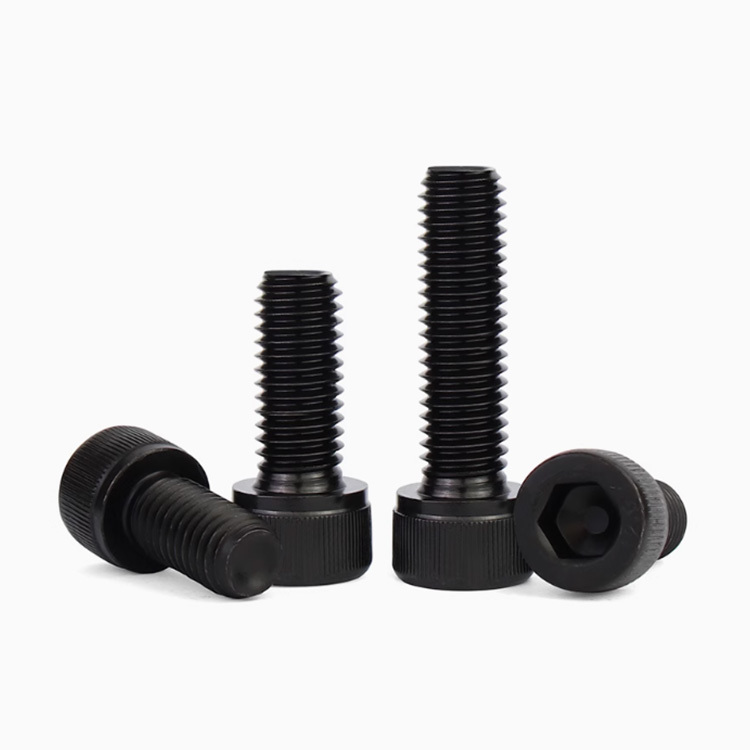
In the realm of industrial applications, the integrity of machinery and structures is paramount. Thus, selecting the appropriate fasteners is crucial for ensuring durability and safety. **High temperature fasteners** are specifically designed to withstand extreme conditions, making them indispensable in various sectors. This article will provide an in-depth look at the properties, applications, and benefits of high temperature fasteners, emphasizing their vital role in industrial settings.
2. What are High Temperature Fasteners?
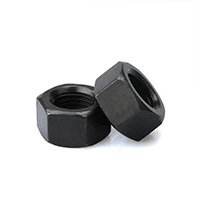
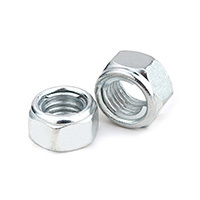
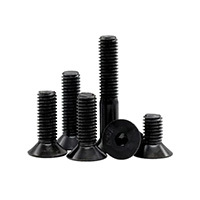
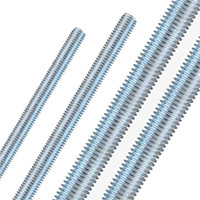
High temperature fasteners are specialized components engineered to secure parts in applications that experience elevated temperatures. These fasteners are often made from materials that can endure thermal stress, oxidation, and corrosion. They are frequently employed in environments where standard fasteners would fail, ensuring the reliability and longevity of machinery and structures.
3. Materials Used in High Temperature Fasteners
The effectiveness of high temperature fasteners largely hinges on the materials used in their production. Common materials include:
3.1 Inconel
Inconel is a nickel-chromium alloy known for its excellent oxidation and corrosion resistance, making it ideal for high-temperature applications. It maintains its strength and stability even when exposed to extreme heat.
3.2 Titanium
Titanium is prized for its high strength-to-weight ratio and exceptional corrosion resistance. It is often used in aerospace and automotive sectors, where reducing weight while maintaining structural integrity is crucial.
3.3 Stainless Steel
Stainless steel, particularly grades like 316 and 310, is commonly used for high temperature fasteners due to its ability to resist oxidation and maintain strength at elevated temperatures. It is versatile and finds applications across various industries.
4. Key Applications of High Temperature Fasteners in Industries
High temperature fasteners play a critical role across multiple industries. Below are a few key applications:
4.1 Aerospace Industry
In aerospace applications, fasteners must withstand extreme temperatures and pressures. High temperature fasteners are crucial in engine components and structural assemblies, ensuring safety and performance.
4.2 Automotive Sector
The automotive industry employs high temperature fasteners in engine assemblies, exhaust systems, and turbochargers. These fasteners guarantee the reliability of critical components while resisting thermal cycling and corrosion.
4.3 Oil and Gas Industry
In the oil and gas sector, equipment often operates under high temperatures and pressures. Fasteners used in drilling rigs and refineries must endure harsh environments, making high temperature fasteners essential for operational safety and efficiency.
4.4 Power Generation
Power plants, particularly those using fossil fuels or nuclear energy, require fasteners that can withstand extreme heat. High temperature fasteners are indispensable in turbines and heat exchangers, providing reliability in energy production.
5. Advantages of Using High Temperature Fasteners
Utilizing high temperature fasteners presents numerous benefits:
5.1 Enhanced Durability
High temperature fasteners offer superior durability, reducing the need for frequent replacements and maintenance. Their ability to withstand extreme conditions makes them a cost-effective choice for industrial applications.
5.2 Safety Assurance
In critical applications, safety is paramount. High temperature fasteners provide a secure connection between components, minimizing the risk of failure and potential hazards associated with equipment malfunction.
5.3 Improved Performance
By maintaining structural integrity under extreme conditions, high temperature fasteners contribute to the overall performance of machinery and equipment, allowing for more efficient operations.
6. Best Practices for Installing High Temperature Fasteners
Proper installation of high temperature fasteners is crucial for maximizing their effectiveness. Consider the following best practices:
6.1 Pre-Installation Inspection
Before installation, inspect fasteners for any signs of damage or corrosion. Ensure that they are compatible with the specific application’s material and temperature requirements.
6.2 Proper Torque Specifications
Adhere to the manufacturer’s torque specifications to avoid over-tightening, which can lead to fastener failure. Using a torque wrench can help achieve the desired tension.
6.3 Use of Lubricants
In certain applications, using high-temperature lubricants can facilitate easier installation and reduce friction, which is especially important in high-stress environments.
7. Maintenance Tips for High Temperature Fasteners
Regular maintenance of high temperature fasteners is essential to ensure their longevity and performance. Here are some tips:
7.1 Routine Inspections
Conduct periodic inspections to identify any signs of wear or damage. Look for corrosion, cracks, or loosening of fasteners that may indicate a need for replacement.
7.2 Cleaning Procedures
Keep fasteners clean to prevent the accumulation of contaminants that can lead to corrosion. Use appropriate cleaning solutions that will not damage the integrity of the fastener material.
7.3 Re-torquing
Over time, fasteners may loosen due to thermal cycling. Regularly check and re-torque fasteners to maintain their grip and ensure the integrity of the assembly.
8. Frequently Asked Questions
8.1 What are high temperature fasteners made of?
High temperature fasteners are typically made from materials like Inconel, titanium, and stainless steel, which are designed to withstand extreme temperatures and resist corrosion.
8.2 How do I know if I need high temperature fasteners?
If your application involves exposure to high heat, pressure, or corrosive environments, high temperature fasteners are recommended to ensure safety and performance.
8.3 Can high temperature fasteners be reused?
Reusing high temperature fasteners is possible if they show no signs of damage or wear. However, it is essential to conduct a thorough inspection before reinstallation.
8.4 Are there specific installation techniques for high temperature fasteners?
Yes, it’s crucial to follow best practices such as pre-installation inspection, adhering to torque specifications, and utilizing lubricants when necessary.
8.5 What maintenance is required for high temperature fasteners?
Routine inspections, cleaning, and re-torquing are essential maintenance practices that help extend the life of high temperature fasteners.
9. Conclusion
In summary, high temperature fasteners are integral components in a range of industrial applications where reliability and safety are critical. By understanding the materials, applications, and benefits of these fasteners, industries can make informed decisions that enhance performance and longevity. Investing in high quality high temperature fasteners not only ensures compliance with safety standards but also contributes to the overall efficiency of operations. As industries continue to evolve, the importance of selecting the right fasteners will only grow, making it essential to stay informed about the best practices and innovations in this field.
Hot Tags:
Contact
E-mail:
Phone:
Address:
Yongnian Southwest Development Zone, Handan City, Hebei Province


PRODUCT SEARCH
Search And Quickly Find The Products You Need
The company has a modern production workshop and a professional technical team. It has introduced advanced automated production equipment from home and abroad, strictly controls every production link, is customer-centric, and is committed to providing customers with high-quality products and services.
Continue Search OR Customize Products