




The Ultimate Guide to Selecting the Right Stainless Steel Bolts for Your Projects
Nov 24,2024
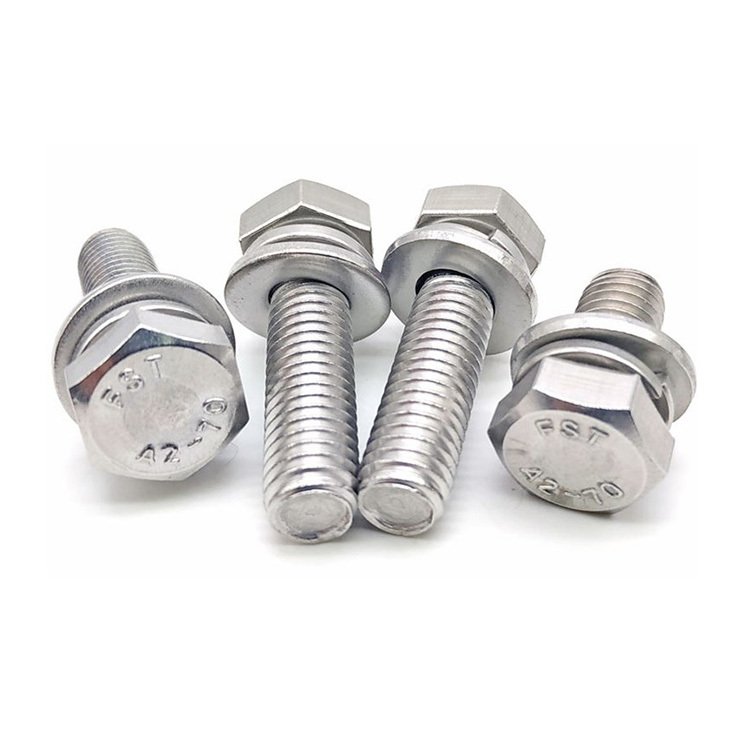
The Ultimate Guide to Selecting the Right Stainless Steel Bolts for Your Projects
Table of Contents
1. Understanding Stainless Steel Bolts
2. Different Types of Stainless Steel Bolts
3. Grading System of Stainless Steel
3.1. The Importance of Bolt Grade
3.2. Common Grades and Their Applications
4. Coatings and Finishes
4.1. Why Coatings Matter
4.2. Popular Coating Options and Their Benefits
5. Factors to Consider When Selecting Stainless Steel Bolts
5.1. Load Requirements
5.2. Environmental Conditions
5.3. Compatibility with Other Materials
6. Common Applications of Stainless Steel Bolts
7. Maintenance and Care of Stainless Steel Bolts
8. Frequently Asked Questions (FAQs)
9. Conclusion
1. Understanding Stainless Steel Bolts
When it comes to construction and manufacturing, **stainless steel bolts** are vital components. Their unique properties, such as resistance to corrosion, high strength, and aesthetic appeal, make them suitable for various applications. This guide will delve into the nuances of selecting stainless steel bolts, ensuring that you choose the right fasteners for your specific requirements.
2. Different Types of Stainless Steel Bolts
Selecting the right bolt type can significantly influence the performance and longevity of your project. The most common types of stainless steel bolts include:
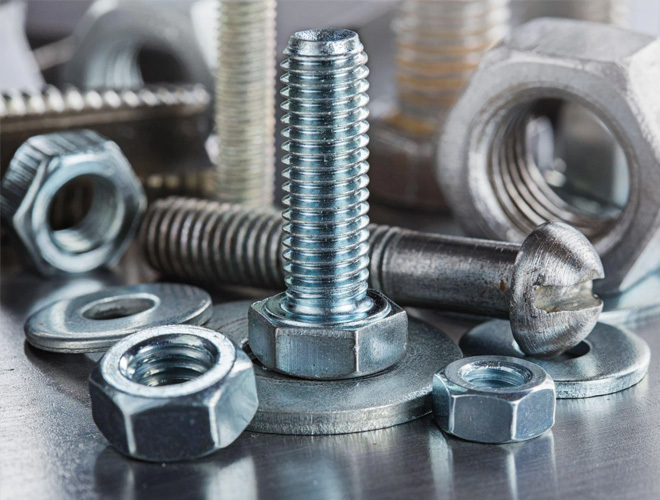
- **Hex Bolts**: These are the most frequently used bolts, featuring a hexagonal head. They are ideal for fastening two or more components together.
- **Carriage Bolts**: Known for their rounded heads and square necks, carriage bolts are used in wood and metal applications, preventing them from turning during installation.
- **Lag Bolts**: These are heavy-duty bolts used for fastening wood to wood or wood to metal, offering significant holding power.
- **Set Screws**: Often employed to secure one object within another, set screws are typically used in mechanical assemblies.
Each type has its specific applications, and understanding their differences can help you make more informed decisions.
3. Grading System of Stainless Steel
The **grading system** of stainless steel bolts is crucial for determining their strength and suitability for various projects.
3.1. The Importance of Bolt Grade
Bolt grades indicate the material's tensile strength and yield strength, which are critical for ensuring that your bolts can withstand the required loads without failing.
3.2. Common Grades and Their Applications
Common stainless steel grades include **A2 (304)** and **A4 (316)**:
- **A2 (304)**: This is the most common grade, known for its good corrosion resistance and excellent mechanical properties. It is ideal for applications in mildly corrosive environments.
- **A4 (316)**: This grade offers superior corrosion resistance, particularly against saltwater and harsh chemicals. It is commonly used in marine applications and environments where exposure to corrosive substances is a concern.
Understanding these grades will help you choose the right bolt for your application.
4. Coatings and Finishes
Coatings and finishes can enhance the performance and aesthetic appeal of stainless steel bolts.
4.1. Why Coatings Matter
Coatings not only improve corrosion resistance but also provide additional protection against wear and abrasion. They can also enhance the visual appeal of the bolts.
4.2. Popular Coating Options and Their Benefits
- **Zinc Plating**: Offers good corrosion resistance and is cost-effective, making it a popular choice for general applications.
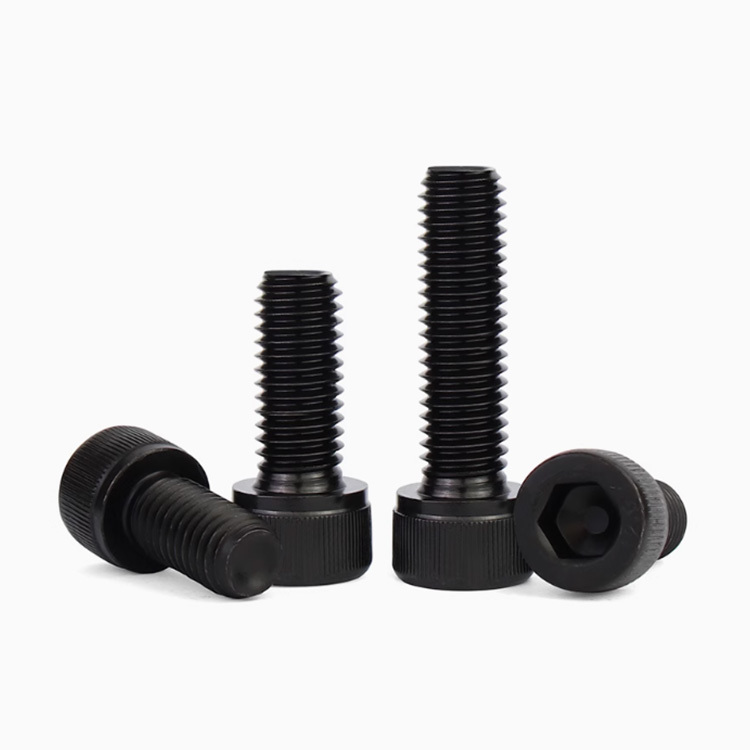
- **Black Oxide**: Provides a sleek black finish, reducing glare and enhancing corrosion resistance.
- **Epoxy Coating**: Offers exceptional protection against corrosion and is ideal for harsh environments.
Choosing the right coating can significantly extend the life of your bolts and components.
5. Factors to Consider When Selecting Stainless Steel Bolts
Selecting the right stainless steel bolts requires careful consideration of several factors.
5.1. Load Requirements
Understanding the load requirements of your project is essential. Calculate the tensile and shear loads that the bolts will need to support, and select bolts that can handle these forces without compromising safety.
5.2. Environmental Conditions
Consider the environmental conditions your bolts will be exposed to, such as moisture, temperature variations, and corrosive substances. This will help you determine the appropriate grade and coating for your bolts.
5.3. Compatibility with Other Materials
Ensure that the stainless steel bolts you choose are compatible with the materials you are fastening. This will help prevent galvanic corrosion and ensure a secure connection.
6. Common Applications of Stainless Steel Bolts
Stainless steel bolts are used in various industries, including:
- **Construction**: Used for structural assemblies and framework.
- **Marine**: Ideal for boats, docks, and other marine applications due to their corrosion resistance.
- **Automotive**: Employed in vehicle manufacturing and repairs, ensuring durability and safety.
- **Manufacturing**: Used in machinery and equipment for reliable performance.
Understanding these applications will help you identify the best bolts for your projects.
7. Maintenance and Care of Stainless Steel Bolts
While stainless steel bolts are known for their durability and corrosion resistance, proper maintenance can extend their lifespan even further. Regular inspections and cleaning are essential to prevent the buildup of dirt and grime, which can compromise their performance.
- **Cleaning**: Use a mild soap solution and a soft brush to clean the bolts. Avoid harsh chemicals that can damage the finish.
- **Inspection**: Regularly check for signs of wear or damage, especially in high-stress applications.
By maintaining your stainless steel bolts, you can ensure their continued effectiveness and reliability.
8. Frequently Asked Questions (FAQs)
1. What are stainless steel bolts used for?
Stainless steel bolts are used in various applications, including construction, automotive, marine, and manufacturing, due to their strength and corrosion resistance.
2. How do I choose the right grade of stainless steel bolt?
Consider the environmental conditions, load requirements, and the materials you are fastening to determine the appropriate grade of stainless steel bolt.
3. Can stainless steel bolts rust?
While stainless steel is resistant to rust, it can still corrode under certain conditions, especially if it is not properly cared for or if it is in contact with dissimilar metals.
4. What is the difference between A2 and A4 stainless steel bolts?
A2 (304) stainless steel bolts offer good corrosion resistance for mildly corrosive environments, while A4 (316) bolts provide superior resistance, especially in marine applications.
5. How can I maintain stainless steel bolts?
Regularly inspect and clean stainless steel bolts using a mild soap solution and a soft brush to prevent buildup of dirt and grime.
9. Conclusion
Selecting the right stainless steel bolts for your projects involves understanding various factors, including types, grades, coatings, and application requirements. By considering these elements, you can ensure that your fasteners provide the strength and durability necessary for your specific needs. With proper maintenance and care, stainless steel bolts can serve you well in a wide range of applications, ensuring the success and longevity of your projects. Remember, making informed choices now can save you time, effort, and resources in the future.
Hot Tags:
PREVIOUS:

Contact
E-mail:
Phone:
Address:
Yongnian Southwest Development Zone, Handan City, Hebei Province


PRODUCT SEARCH
Search And Quickly Find The Products You Need
The company has a modern production workshop and a professional technical team. It has introduced advanced automated production equipment from home and abroad, strictly controls every production link, is customer-centric, and is committed to providing customers with high-quality products and services.
Continue Search OR Customize Products