




Choosing the Right Fasteners: An In-Depth Guide to High Strength Hexagon Bolts
Dec 14,2024
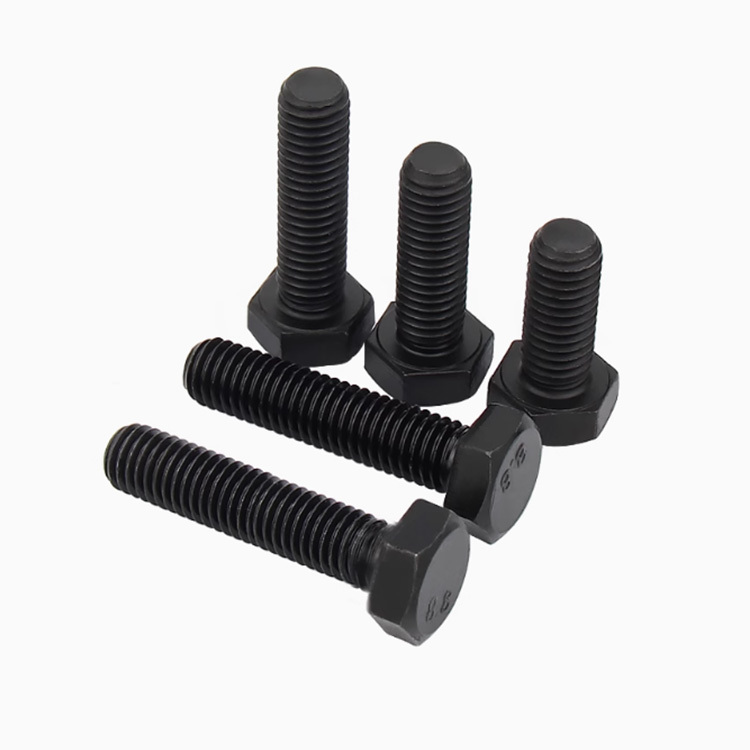
Choosing the Right Fasteners: An In-Depth Guide to High Strength Hexagon Bolts
Table of Contents
- Understanding Fasteners: An Overview
- Why Choose High Strength Hexagon Bolts?
- Types of High Strength Hexagon Bolts
- Material Selection for Hexagon Bolts
- Understanding Strength Ratings
- Installation Techniques for Hexagon Bolts
- Common Mistakes to Avoid When Choosing Fasteners
- Maintenance and Replacement of Hexagon Bolts
- Frequently Asked Questions
Understanding Fasteners: An Overview
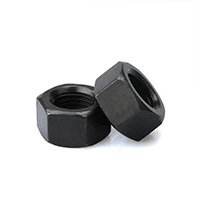
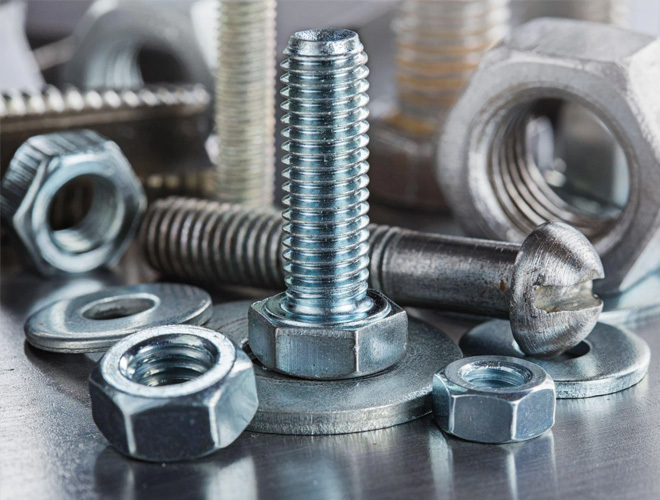
Fasteners are essential components in the industrial landscape, providing the necessary connections that ensure structural integrity and performance. High strength hexagon bolts, in particular, stand out due to their unique design and versatility. They are used in a variety of applications, from automotive manufacturing to construction projects, making it crucial to understand their characteristics and applications.
The Basics of Fasteners
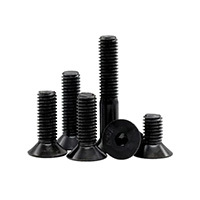
Fasteners come in various shapes and sizes, designed to hold materials together securely. The choice of fastener depends on several factors, including the materials being connected, the load requirements, and environmental considerations. Hexagon bolts are one of the most widely used fasteners due to their ease of use and high load-bearing capabilities.
Why Choose High Strength Hexagon Bolts?
High strength hexagon bolts provide several advantages over other types of fasteners. Their hexagonal head allows for easy tightening with a wrench, making them a preferred choice for applications where torque is a critical factor.
Advantages of High Strength Hexagon Bolts
1. **Robust Load-Bearing Capacity**: High strength hexagon bolts can withstand significant loads without deformation.
2. **Versatility**: These fasteners are suitable for various applications, including machinery, automotive, and structural connections.
3. **Ease of Installation**: The hexagonal shape allows for efficient tightening and loosening, making installation straightforward.
4. **Durability**: Made from high-quality materials, these bolts resist wear and corrosion, ensuring longevity.
Types of High Strength Hexagon Bolts
Not all hexagon bolts are created equal. Understanding the different types can help in selecting the right one for your project.
1. Standard Hexagon Bolts
These bolts conform to standard sizes and grades, suitable for general applications where high strength is required.
2. High-Strength Structural Bolts
Engineered for heavy-duty applications, these bolts are designed to meet specific strength and toughness requirements.
3. Flange Bolts
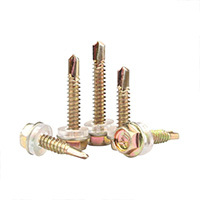
Featuring a built-in washer, flange bolts distribute load over a larger surface area, providing added stability.
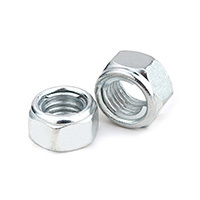
4. Locking Bolts
These bolts come with a locking mechanism that prevents loosening under vibration, ideal for dynamic environments.
Material Selection for Hexagon Bolts
The material from which a hexagon bolt is made significantly affects its performance and suitability for various applications.
Common Materials Used
1. **Carbon Steel**: Offers good strength and ductility, commonly used in various applications.
2. **Alloy Steel**: Provides higher strength and toughness, often used in high-stress environments.
3. **Stainless Steel**: Known for its corrosion resistance, ideal for outdoor or industrial applications.
4. **Titanium**: Extremely strong and lightweight, suitable for specialized applications in aerospace and high-performance machinery.
Understanding Strength Ratings
Strength ratings indicate the load a fastener can withstand before failure. It’s essential to choose the correct grade based on the specific application.
Common Strength Grades
1. **Grade 2**: Low strength, suitable for light-duty applications.
2. **Grade 5**: Medium strength, commonly used in automotive applications.
3. **Grade 8**: High strength, ideal for heavy-duty applications requiring superior load-bearing capabilities.
Installation Techniques for Hexagon Bolts
Correct installation is crucial for ensuring the integrity of the connection. Here are some best practices to follow.
Preparation and Alignment
Ensure that the materials being fastened are aligned properly to avoid misalignment during tightening.
Torque Specifications
Always adhere to the manufacturer's torque specifications to prevent over-tightening, which can lead to bolt failure.
Use of Washers
Incorporating washers can help distribute load and prevent damage to the connected materials.
Common Mistakes to Avoid When Choosing Fasteners
Even experienced professionals can make errors when selecting fasteners. Here are some common mistakes to watch for.
1. Underestimating Load Requirements
Always account for the maximum load the connection will experience to avoid using inadequate fasteners.
2. Ignoring Environmental Factors
Consider the environment where the fasteners will be used. Exposure to moisture, chemicals, or extreme temperatures can impact performance.
3. Failing to Inspect Fasteners
Regular inspection can prevent failures due to wear or corrosion. Always check fasteners before installation.
Maintenance and Replacement of Hexagon Bolts
Maintaining the integrity of your connections involves regular checks and timely replacements.
Signs of Wear and Tear
Look for signs of rust, deformation, or loosening, which may indicate that a replacement is necessary.
Replacement Protocol
When replacing bolts, ensure that the new fasteners are compatible in terms of size, material, and strength rating.
Frequently Asked Questions
1. What are high strength hexagon bolts used for?
High strength hexagon bolts are used in applications that require strong and reliable connections, such as construction, automotive assembly, and machinery fabrication.
2. How do I determine the right grade of hexagon bolt for my project?
Consider the load requirements of your application, the materials being joined, and environmental conditions to select the appropriate bolt grade.
3. Can I use hexagon bolts in outdoor applications?
Yes, but it is advisable to choose materials such as stainless steel or coated bolts that resist corrosion for durability.
4. What tools do I need to install hexagon bolts?
Typically, you will need a wrench or socket set, torque wrench, and possibly a drill for pre-drilling holes.
5. How often should I inspect my hexagon bolts?
Regular inspections should be conducted based on the application and environmental conditions, but generally, every few months is advisable.
Conclusion
Choosing the right fasteners, particularly high strength hexagon bolts, is crucial for the success of any industrial project. By understanding their types, materials, strength ratings, and proper installation techniques, you can ensure the reliability and safety of your applications. Regular maintenance and timely replacements will further enhance the longevity of your connections, making informed decisions vital in achieving optimal results in your projects.
Hot Tags:
PREVIOUS:

Contact
E-mail:
Phone:
Address:
Yongnian Southwest Development Zone, Handan City, Hebei Province


PRODUCT SEARCH
Search And Quickly Find The Products You Need
The company has a modern production workshop and a professional technical team. It has introduced advanced automated production equipment from home and abroad, strictly controls every production link, is customer-centric, and is committed to providing customers with high-quality products and services.
Continue Search OR Customize Products