




Understanding Hexagon Flange Bolts: Essential Components in Industrial Applications
Dec 17,2024
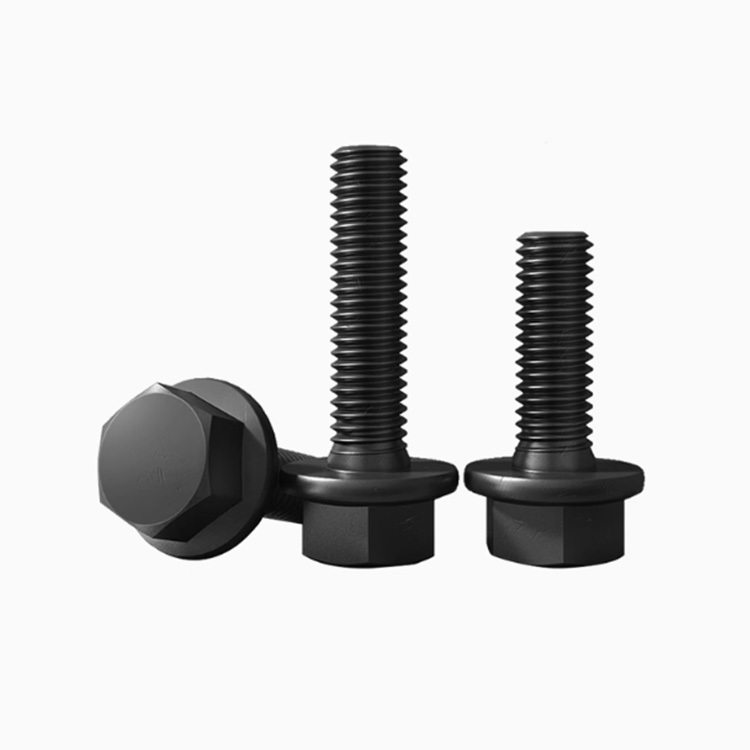
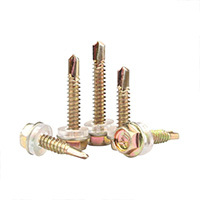
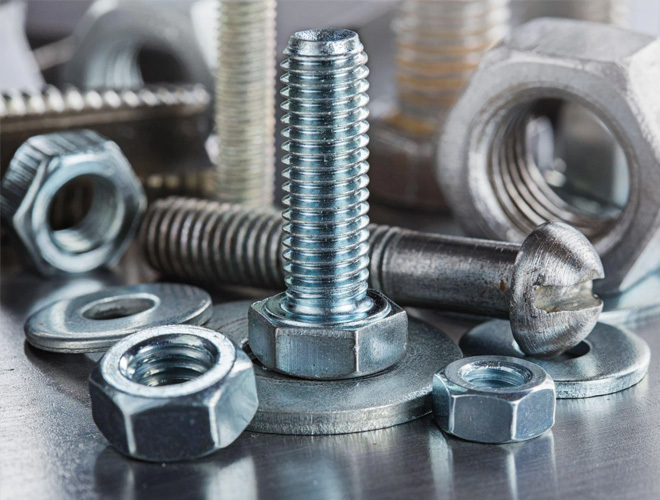
Hexagon flange bolts are a type of fastener characterized by their hexagonal heads and integrated flanges. The flange serves as a base, providing additional surface area that helps distribute the load and enhances the bolt's clamping ability. This design feature makes hexagon flange bolts particularly effective in applications involving vibration or dynamic loading, where traditional bolts might loosen over time.
One of the primary advantages of hexagon flange bolts is their ability to simplify assembly processes. The flange eliminates the need for separate washers, reducing the number of components required and streamlining installation. This not only saves time during assembly but also minimizes the risk of losing parts, which can be a common issue in complex industrial environments.
In terms of materials, hexagon flange bolts are typically made from various grades of steel, stainless steel, or other alloys, depending on the intended application. The choice of material affects the bolt's strength, corrosion resistance, and overall durability. For instance, stainless steel hexagon flange bolts are ideal for applications exposed to moisture or corrosive environments, while high-strength steel variants are suitable for load-bearing applications.
When selecting hexagon flange bolts for a specific project, several factors should be considered. The first is the size and diameter of the bolt, which must be compatible with the corresponding components being fastened. Additionally, the bolt's grade, which indicates its tensile strength and suitability for various applications, should align with the requirements of the project.
Another critical aspect is the installation torque, which should adhere to the manufacturer's specifications to ensure optimal performance. Proper torque application is essential to prevent issues such as bolt failure or material deformation, which can lead to costly repairs or downtime in industrial settings.
Hexagon flange bolts are commonly used in various industries, including automotive, construction, and machinery manufacturing. Their reliability and efficiency make them suitable for a wide range of applications, from securing structural components to assembling machinery and equipment.
In conclusion, hexagon flange bolts are an integral part of industrial fastening solutions. Their unique design, ease of installation, and versatility make them an excellent choice for various applications. By understanding their features and proper usage, professionals in the industrial sector can make informed decisions that enhance the reliability and efficiency of their projects. Whether you're involved in manufacturing, construction, or maintenance, having a solid grasp of hexagon flange bolts will undoubtedly contribute to your success in the field.
One of the primary advantages of hexagon flange bolts is their ability to simplify assembly processes. The flange eliminates the need for separate washers, reducing the number of components required and streamlining installation. This not only saves time during assembly but also minimizes the risk of losing parts, which can be a common issue in complex industrial environments.
In terms of materials, hexagon flange bolts are typically made from various grades of steel, stainless steel, or other alloys, depending on the intended application. The choice of material affects the bolt's strength, corrosion resistance, and overall durability. For instance, stainless steel hexagon flange bolts are ideal for applications exposed to moisture or corrosive environments, while high-strength steel variants are suitable for load-bearing applications.
When selecting hexagon flange bolts for a specific project, several factors should be considered. The first is the size and diameter of the bolt, which must be compatible with the corresponding components being fastened. Additionally, the bolt's grade, which indicates its tensile strength and suitability for various applications, should align with the requirements of the project.
Another critical aspect is the installation torque, which should adhere to the manufacturer's specifications to ensure optimal performance. Proper torque application is essential to prevent issues such as bolt failure or material deformation, which can lead to costly repairs or downtime in industrial settings.
Hexagon flange bolts are commonly used in various industries, including automotive, construction, and machinery manufacturing. Their reliability and efficiency make them suitable for a wide range of applications, from securing structural components to assembling machinery and equipment.
In conclusion, hexagon flange bolts are an integral part of industrial fastening solutions. Their unique design, ease of installation, and versatility make them an excellent choice for various applications. By understanding their features and proper usage, professionals in the industrial sector can make informed decisions that enhance the reliability and efficiency of their projects. Whether you're involved in manufacturing, construction, or maintenance, having a solid grasp of hexagon flange bolts will undoubtedly contribute to your success in the field.
Hot Tags:

Contact
E-mail:
Phone:
Address:
Yongnian Southwest Development Zone, Handan City, Hebei Province


PRODUCT SEARCH
Search And Quickly Find The Products You Need
The company has a modern production workshop and a professional technical team. It has introduced advanced automated production equipment from home and abroad, strictly controls every production link, is customer-centric, and is committed to providing customers with high-quality products and services.
Continue Search OR Customize Products