




Understanding High Temperature Fasteners: Key Considerations for Industrial Applications
Dec 19,2024

High temperature fasteners are crucial components in various industrial applications, especially where equipment operates under extreme thermal conditions. These fasteners are specially designed to endure high levels of heat without degrading, ensuring the reliability and integrity of assemblies. In industries such as aerospace, automotive, and power generation, the selection of appropriate fasteners is vital to maintaining safety and performance standards.
One of the primary considerations when selecting high temperature fasteners is the material composition. Common materials include stainless steel, titanium alloys, and special grades of carbon steel. Each material has its unique properties, such as resistance to oxidation, thermal expansion, and strength at elevated temperatures. For instance, titanium fasteners are renowned for their exceptional strength-to-weight ratio and corrosion resistance, making them ideal for aerospace applications. On the other hand, certain stainless steels can withstand high temperatures while providing excellent corrosion resistance, making them suitable for chemical processing.
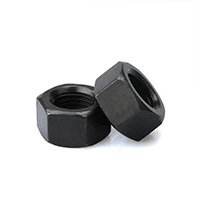
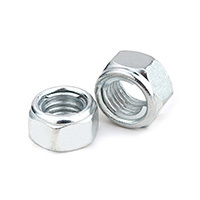
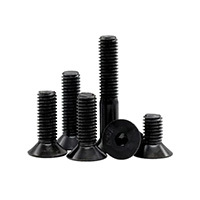
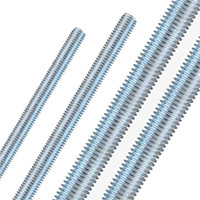
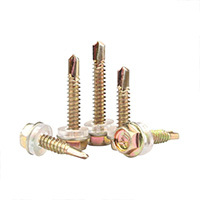
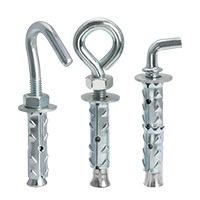
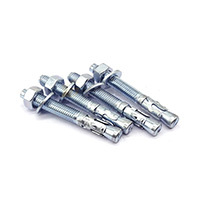
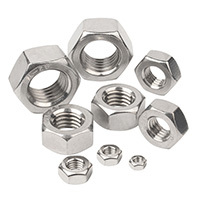
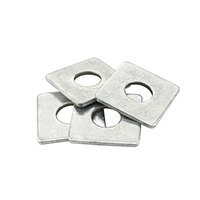
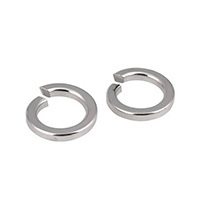
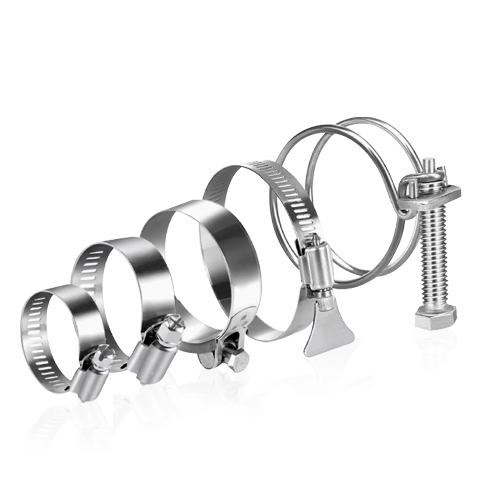
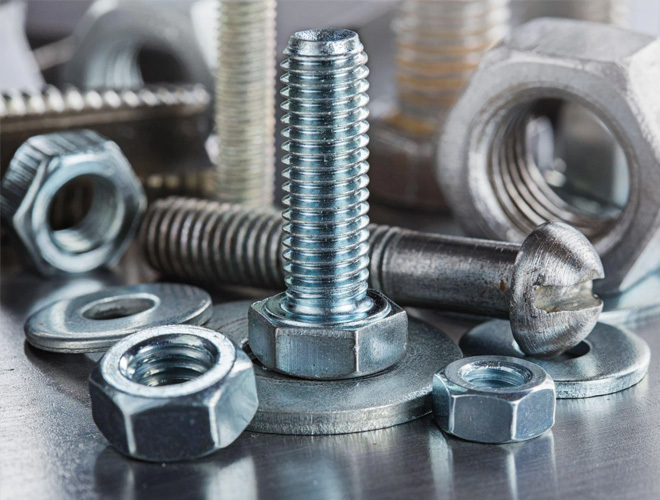
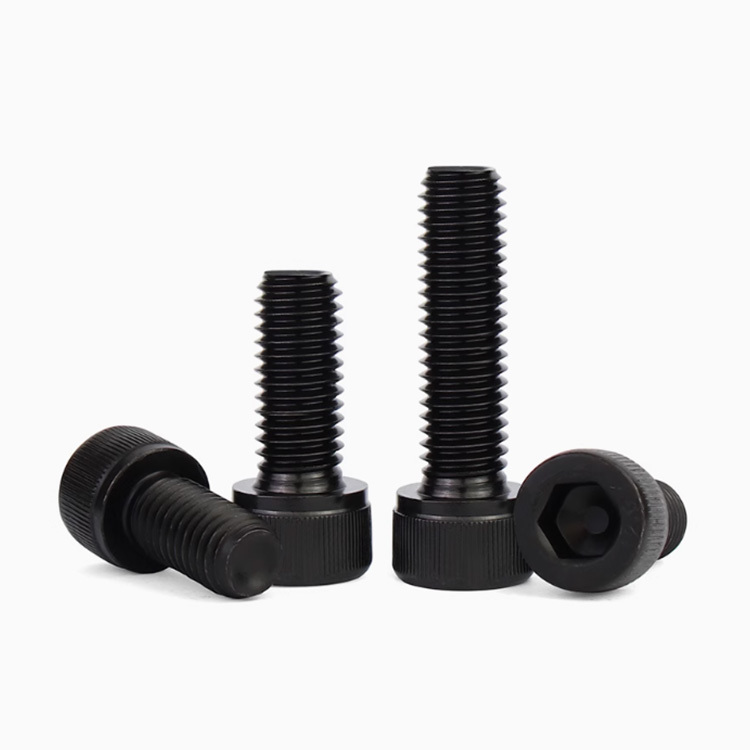
Another important factor to consider is the fastening method. High temperature fasteners can be used in various forms, including bolts, screws, nuts, and washers. The choice of fastening method should align with the specific application requirements, such as load-bearing capacity and environmental conditions. Additionally, it is essential to ensure that the fasteners are properly installed to prevent issues such as loosening or failure due to thermal expansion.
When evaluating high temperature fasteners, it is also vital to consider the surface treatment and coatings. Certain coatings can enhance the fasteners' resistance to oxidation and corrosion, extending their lifespan in challenging environments. For instance, ceramic coatings can provide excellent thermal protection, while other treatments may offer improved lubrication and friction reduction, which is particularly beneficial in high-stress applications.
In summary, understanding high temperature fasteners is essential for ensuring the reliability and durability of industrial equipment. By considering factors such as material composition, fastening methods, and surface treatments, professionals can select the appropriate fasteners that meet their specific application needs. Taking the time to research and select the right high temperature fasteners can lead to improved performance and reduced maintenance costs, ultimately contributing to the overall efficiency of industrial operations.
One of the primary considerations when selecting high temperature fasteners is the material composition. Common materials include stainless steel, titanium alloys, and special grades of carbon steel. Each material has its unique properties, such as resistance to oxidation, thermal expansion, and strength at elevated temperatures. For instance, titanium fasteners are renowned for their exceptional strength-to-weight ratio and corrosion resistance, making them ideal for aerospace applications. On the other hand, certain stainless steels can withstand high temperatures while providing excellent corrosion resistance, making them suitable for chemical processing.
Another important factor to consider is the fastening method. High temperature fasteners can be used in various forms, including bolts, screws, nuts, and washers. The choice of fastening method should align with the specific application requirements, such as load-bearing capacity and environmental conditions. Additionally, it is essential to ensure that the fasteners are properly installed to prevent issues such as loosening or failure due to thermal expansion.
When evaluating high temperature fasteners, it is also vital to consider the surface treatment and coatings. Certain coatings can enhance the fasteners' resistance to oxidation and corrosion, extending their lifespan in challenging environments. For instance, ceramic coatings can provide excellent thermal protection, while other treatments may offer improved lubrication and friction reduction, which is particularly beneficial in high-stress applications.
In summary, understanding high temperature fasteners is essential for ensuring the reliability and durability of industrial equipment. By considering factors such as material composition, fastening methods, and surface treatments, professionals can select the appropriate fasteners that meet their specific application needs. Taking the time to research and select the right high temperature fasteners can lead to improved performance and reduced maintenance costs, ultimately contributing to the overall efficiency of industrial operations.
Hot Tags:
PREVIOUS:
Contact
E-mail:
Phone:
Address:
Yongnian Southwest Development Zone, Handan City, Hebei Province


PRODUCT SEARCH
Search And Quickly Find The Products You Need
The company has a modern production workshop and a professional technical team. It has introduced advanced automated production equipment from home and abroad, strictly controls every production link, is customer-centric, and is committed to providing customers with high-quality products and services.
Continue Search OR Customize Products