




Maximizing Performance: The Indispensable Role of High Strength Hexagon Bolts in Machinery
Jan 06,2025
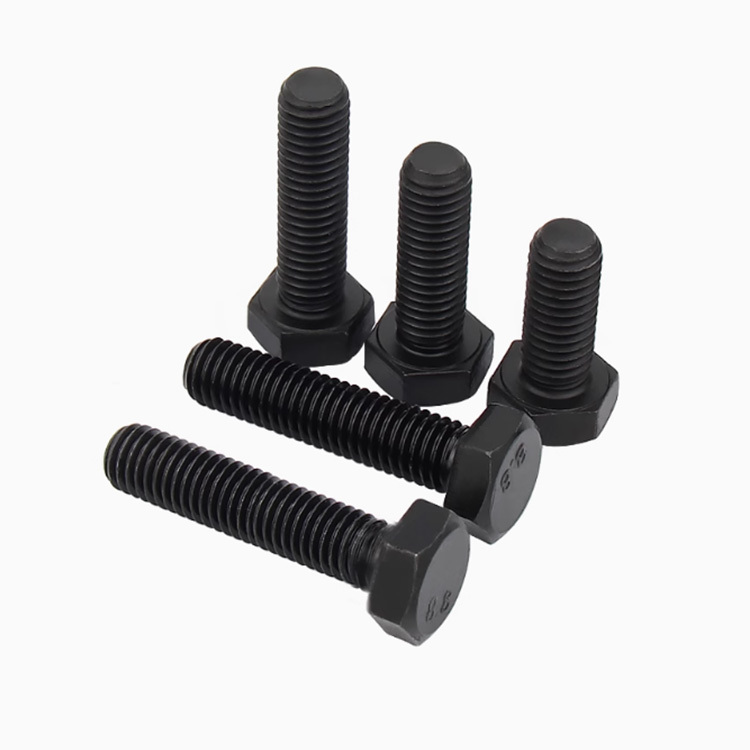
Maximizing Performance: The Indispensable Role of High Strength Hexagon Bolts in Machinery
Table of Contents
- Introduction to Hexagon Bolts
- What Are High Strength Hexagon Bolts?
- Importance of High Strength Bolts in Machinery
- Applications of High Strength Hexagon Bolts in Industry
- Material and Design Considerations
- Best Practices for Installing Hexagon Bolts
- Maintenance and Inspection of Hexagon Bolts
- Conclusion
- FAQs About High Strength Hexagon Bolts
Introduction to Hexagon Bolts
High strength hexagon bolts are pivotal components in the construction of machinery and industrial equipment. These fasteners are engineered to provide superior strength and durability, making them essential for applications requiring high load-bearing capabilities. In this article, we will explore their characteristics, benefits, and the best practices for utilizing them effectively in your machinery.
What Are High Strength Hexagon Bolts?
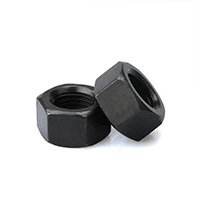
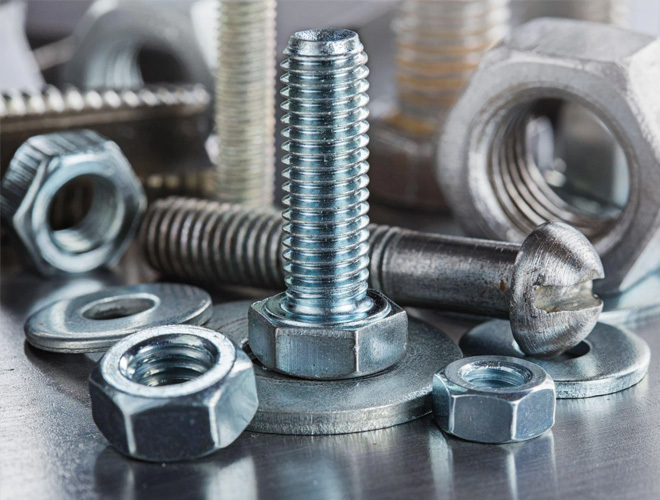
High strength hexagon bolts are a type of fastener characterized by their hexagonal heads, which allow for efficient torque application during installation. These bolts are typically made from high-strength materials, such as carbon steel or alloy steel, treated to enhance their tensile and yield strength. Rated for higher loads than standard bolts, they are particularly effective in high-stress environments.
Key Characteristics of High Strength Hexagon Bolts
- **Tensile Strength**: High strength hexagon bolts generally have a higher tensile strength than standard bolts, enabling them to withstand larger forces.
- **Corrosion Resistance**: Many high-strength bolts are coated or treated to resist corrosion, extending their lifespan in harsh environments.
- **Versatility**: These bolts come in various sizes and grades, making them suitable for a wide range of applications.
Importance of High Strength Bolts in Machinery
In machinery, the integrity of components is critical for operational efficiency and safety. High strength hexagon bolts play a vital role in maintaining this integrity by providing reliable connections that can withstand vibrations, thermal fluctuations, and mechanical stress. The failure of a single bolt can lead to significant equipment malfunction, downtime, and costly repairs.
Enhanced Performance and Safety
Utilizing high strength hexagon bolts enhances overall machinery performance by ensuring that all components remain securely fastened. This reliability directly contributes to improved safety standards, as it minimizes the risk of accidents caused by component failure.
Applications of High Strength Hexagon Bolts in Industry
High strength hexagon bolts are used across various industrial sectors due to their strength and reliability. Some common applications include:
1. Construction Machinery
In construction machinery, these bolts secure critical components such as cranes, excavators, and specialized vehicles. The high load-bearing capacity ensures these machines can operate safely under extreme conditions.
2. Automotive Industry
The automotive industry employs high strength hexagon bolts in the assembly of vehicles, where they secure engines, chassis components, and suspension systems. Their reliability is paramount in ensuring vehicle safety and performance.
3. Aerospace Engineering
In aerospace applications, the weight-to-strength ratio is crucial. High strength hexagon bolts are designed to meet rigorous standards, providing the necessary strength without adding excess weight.
4. Oil and Gas Sector
The oil and gas industry frequently uses high strength hexagon bolts in drilling rigs and pipelines, where they must withstand extreme pressures and corrosive environments.
Material and Design Considerations
Selecting the appropriate materials and design for high strength hexagon bolts is essential for maximizing performance.
1. Material Selection
Choosing the right material is critical. Steel alloys, stainless steel, and other specialized alloys are commonly used to manufacture high strength bolts. Considerations such as environmental conditions, load requirements, and corrosion resistance should guide material selection.
2. Design Features
Design features, such as thread type, bolt length, and head design, also play a vital role in performance. For instance, coarse threads may grip better in softer materials, while fine threads provide more precise tensioning.
Best Practices for Installing Hexagon Bolts
Proper installation is crucial to ensure the performance of high strength hexagon bolts. Here are some best practices:
1. Torque Specifications
Always follow the manufacturer’s torque specifications when installing high strength bolts. Under-tightening can lead to loosening, while over-tightening may cause bolt failure.
2. Use of Washers
In many applications, using washers can distribute the load and prevent damage to the surface, improving the longevity of the connection.
3. Proper Tools
Using the right tools, including torque wrenches and socket sets, ensures accurate installation and reduces the risk of damaging the bolt or the machinery.
Maintenance and Inspection of Hexagon Bolts
Regular maintenance and inspection of high strength hexagon bolts are vital for ensuring their long-term performance.
1. Periodic Inspections
Conduct regular inspections to check for signs of wear, corrosion, or loosening. This proactive approach can prevent unexpected failures.
2. Retorquing
In applications subject to vibration, retorquing bolts after the initial installation may be necessary to maintain proper tension.
3. Cleaning and Corrosion Protection
Keep bolts clean and apply appropriate corrosion protection methods to extend their lifespan, especially in harsh environments.
Conclusion
High strength hexagon bolts are indispensable components in machinery, offering unparalleled strength and reliability. Their proper selection, installation, and maintenance play a crucial role in maximizing performance and ensuring safety across various applications. By understanding their unique characteristics and implementing best practices, industries can significantly enhance operational efficiency and minimize downtime.
FAQs About High Strength Hexagon Bolts
1. What is the difference between regular bolts and high strength hexagon bolts?
High strength hexagon bolts are specifically designed to withstand higher loads and stresses than regular bolts. They are made from advanced materials and undergo treatments to enhance their strength.
2. Can high strength hexagon bolts be reused?
While some high strength bolts can be reused, it is essential to inspect them for any signs of wear or damage before reinstallation. Following manufacturer guidelines is crucial.
3. Are there specific torque settings for high strength hexagon bolts?
Yes, each high strength bolt has specific torque settings based on its size and material. Always refer to the manufacturer's specifications for accurate torque values.
4. How do I choose the right high strength hexagon bolt for my application?
Consider factors such as load requirements, environmental conditions, and material compatibility when selecting a high strength hexagon bolt for your specific application.
5. What are common materials used for high strength hexagon bolts?
Common materials include carbon steel, alloy steel, and stainless steel, with various treatments available to enhance strength and corrosion resistance.
By adhering to these guidelines and understanding the critical role of high strength hexagon bolts in machinery, industries can ensure their operations run smoothly, safely, and efficiently.
Hot Tags:
PREVIOUS:

Contact
E-mail:
Phone:
Address:
Yongnian Southwest Development Zone, Handan City, Hebei Province


PRODUCT SEARCH
Search And Quickly Find The Products You Need
The company has a modern production workshop and a professional technical team. It has introduced advanced automated production equipment from home and abroad, strictly controls every production link, is customer-centric, and is committed to providing customers with high-quality products and services.
Continue Search OR Customize Products