




How to Identify the Right Size Expansion Bolt for Your Project: A Comprehensive Guide
Jan 08,2025
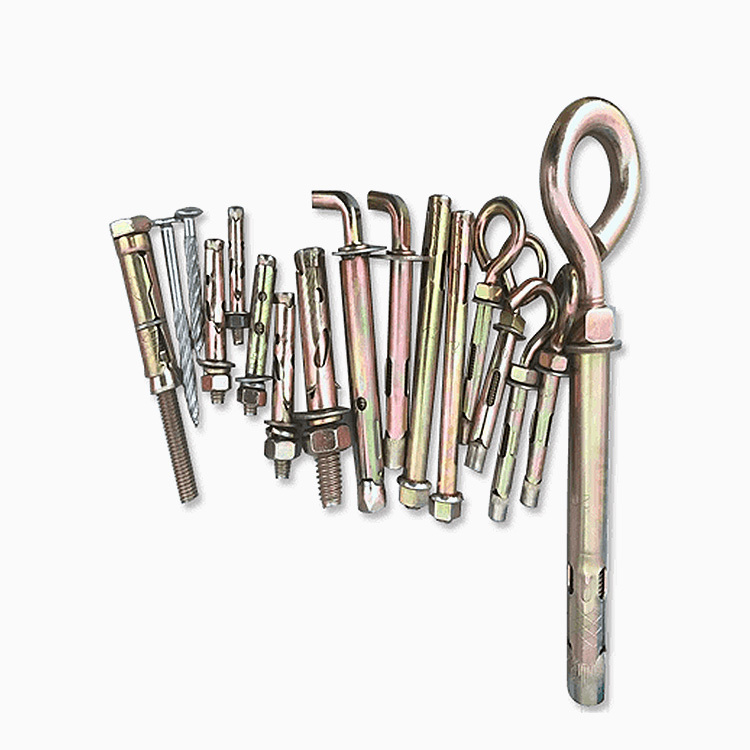
How to Identify the Right Size Expansion Bolt for Your Project
Choosing the right size expansion bolt is crucial for the success of any construction or renovation project. Expansion bolts are designed to anchor fixtures to concrete or masonry, ensuring stability and safety. In this detailed guide, we will walk you through the essential factors you need to consider when selecting the appropriate expansion bolt for your project. Whether you are a seasoned contractor or a DIY enthusiast, understanding the intricacies of expansion bolts will empower you to make informed decisions.
Table of Contents
- Understanding Expansion Bolts
- Types of Expansion Bolts
- Measuring Bolt Size: A Step-by-Step Guide
- Considering Materials for Your Expansion Bolt
- Load Capacity and Performance Factors
- Installation Tips and Tricks for Expansion Bolts
- Common Mistakes to Avoid When Choosing Expansion Bolts
- Conclusion
Understanding Expansion Bolts
Expansion bolts are specialized fasteners used to secure objects to solid materials like concrete, brick, or masonry. They work by expanding within a pre-drilled hole as the bolt is tightened, creating a secure hold. The primary advantage of expansion bolts is their ability to accommodate various weights and loads, making them ideal for different applications.
How Do Expansion Bolts Work?
The mechanism behind expansion bolts involves two key components: the bolt itself and a sleeve or anchor. As the bolt is turned, it pulls the sleeve inward, causing it to expand against the walls of the drilled hole. This expansion creates a strong grip, providing the necessary strength to support heavy fixtures.
Types of Expansion Bolts
There are several types of expansion bolts available, each designed for specific applications. Understanding these types will help you choose the right one for your project.
1. Wedge Anchors
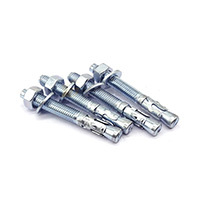
Wedge anchors are heavy-duty expansion bolts typically used in concrete. They feature a cone-shaped end that expands against the sides of the hole, providing a secure hold. These anchors are ideal for securing heavy loads and are often used in construction and industrial applications.
2. Sleeve Anchors
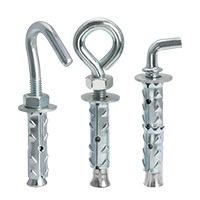
Sleeve anchors consist of a threaded bolt with a sleeve that expands when tightened. They are versatile and can be used in both concrete and masonry. Sleeve anchors are perfect for lighter fixtures and applications where lower load capacities are acceptable.
3. Drop-In Anchors
Drop-in anchors are installed within a pre-drilled hole and are typically used for overhead applications. They provide a flush surface, making them ideal for applications where a smooth finish is required.
4. Concrete Screws
Concrete screws are also known as masonry screws and are directly driven into the base material. They provide a strong hold and are simple to install, making them a popular choice for many applications.
Measuring Bolt Size: A Step-by-Step Guide
Correctly measuring the size of the expansion bolt is vital for ensuring a proper fit. Here’s how you can do it:
Step 1: Determine Hole Diameter
Using a caliper or drill bit, measure the diameter of the hole where the expansion bolt will be installed. This measurement will help you select an appropriately sized bolt.
Step 2: Measure the Hole Depth
Next, measure the depth of the hole to ensure that the expansion bolt can be fully inserted. This is critical to provide the necessary grip and strength.
Step 3: Consult Manufacturer Specifications
Each type of expansion bolt comes with manufacturer specifications regarding size and load capacity. Consult these specifications to select the right size based on your measurements.
Considering Materials for Your Expansion Bolt
The material of your expansion bolt plays a significant role in its performance and durability. Common materials include:
1. Carbon Steel
Carbon steel is a popular choice for general applications due to its strength and affordability. However, it may be susceptible to corrosion, making it less suitable for outdoor or moist environments.
2. Stainless Steel
Stainless steel expansion bolts are resistant to rust and corrosion, making them ideal for outdoor or marine applications. While they are generally more expensive, their longevity often justifies the cost.
3. Zinc-Plated Steel
Zinc-plated steel offers moderate corrosion resistance and is suitable for a variety of indoor applications. It strikes a balance between affordability and durability.
Load Capacity and Performance Factors
Understanding the load capacity and performance factors of expansion bolts is crucial for selecting the right one for your needs. Consider the following:
1. Weight of the Fixture
The weight of the item being anchored will directly impact the size and type of expansion bolt required. Heavier fixtures will necessitate larger, more robust bolts.
2. Environmental Conditions
Factors like moisture, temperature fluctuations, and exposure to chemicals can affect the integrity of your expansion bolt. Choose materials that can withstand the specific conditions of your project.
3. Installation Surface
Different surfaces require different bolt types. For example, concrete surfaces will require wedge anchors, while brick surfaces may benefit from sleeve anchors.
Installation Tips and Tricks for Expansion Bolts
Proper installation is key to maximizing the effectiveness of your expansion bolt. Here are some expert tips:
1. Pre-drill Accurately
Ensure that your drilled hole is straight and of the correct depth and diameter. A poorly drilled hole can lead to inadequate anchoring and potential failure.
2. Clean the Hole
Before inserting the expansion bolt, clean out any dust or debris from the hole. This ensures better contact between the bolt and the surrounding material.
3. Follow Manufacturer Instructions
Every expansion bolt comes with specific installation guidelines. Following these instructions is essential for achieving the bolt's intended load capacity.
Common Mistakes to Avoid When Choosing Expansion Bolts
Even seasoned professionals can make mistakes when selecting expansion bolts. Here are some common pitfalls to avoid:
1. Ignoring Load Requirements
Underestimating the load capacity needed for your application can lead to catastrophic failures. Always assess the weight of the fixture and choose bolts accordingly.
2. Failing to Consider Environmental Factors
Not accounting for moisture or chemical exposure can compromise the integrity of your expansion bolts. Always select materials that are appropriate for the installation environment.
3. Improper Installation Techniques
Rushing through installation or not following instructions can lead to poor performance. Take the time to install each bolt correctly for maximum effectiveness.
Conclusion
Identifying the right size expansion bolt for your project is crucial for ensuring safety and stability. By understanding the types of expansion bolts available, accurately measuring sizes, and considering materials and load capacities, you can make informed choices that pay off in the long run. Additionally, following proper installation techniques and avoiding common mistakes will further enhance the reliability of your project. Remember, the right expansion bolt not only secures your fixtures but also contributes to the overall integrity of your construction or renovation work. Empower yourself with this knowledge and select the best expansion bolt for your needs today!
FAQs
1. What is an expansion bolt used for?
Expansion bolts are used to anchor items to concrete or masonry surfaces, providing a secure hold for fixtures such as shelves, brackets, and heavy machinery.
2. How do I know which type of expansion bolt to use?
Consider the material you are anchoring into, the weight of the fixture, and the environmental conditions. Different types of expansion bolts are suited for different applications.
3. What factors affect the load capacity of an expansion bolt?
The load capacity is influenced by the type of bolt, the material it is anchored into, and the method of installation. Always adhere to manufacturer specifications for load limits.
4. Can I use expansion bolts in outdoor applications?
Yes, but it's essential to select materials that can withstand outdoor conditions, such as stainless steel or coated bolts that resist corrosion.
5. How can I ensure a proper installation of expansion bolts?
Pre-drill accurately, clean the hole, follow manufacturer instructions, and ensure that you are using the correct size for your project to guarantee a secure installation.
Hot Tags:

Contact
E-mail:
Phone:
Address:
Yongnian Southwest Development Zone, Handan City, Hebei Province


PRODUCT SEARCH
Search And Quickly Find The Products You Need
The company has a modern production workshop and a professional technical team. It has introduced advanced automated production equipment from home and abroad, strictly controls every production link, is customer-centric, and is committed to providing customers with high-quality products and services.
Continue Search OR Customize Products