




Hexagon Socket Bolts vs. Traditional Bolts: Which is Better for Your Project?
Jan 10,2025
Hexagon Socket Bolts vs. Traditional Bolts: Which is Better for Your Project?
Table of Contents
- 1. Introduction to Fastening Solutions
- 2. Understanding Bolts: Types and Uses
- 3. Design Features of Hexagon Socket Bolts
- 4. Advantages of Traditional Bolts
- 5. Application Comparison: Where Each Bolt Excels
- 6. Installation Process: Hexagon Socket vs. Traditional
- 7. Cost Analysis: Making the Right Financial Choice
- 8. FAQs about Hexagon Socket Bolts and Traditional Bolts
- 9. Conclusion: Making Your Decision
1. Introduction to Fastening Solutions
In the realm of engineering and construction, selecting the right fastening solution is critical for ensuring the integrity, safety, and longevity of a project. Two of the most commonly encountered types of bolts in industrial applications are **hexagon socket bolts** and **traditional bolts**. Each type has its unique design attributes, performance capabilities, and applications which can play a substantial role in the success of your project.
2. Understanding Bolts: Types and Uses
Bolts are essential components in various industrial applications, serving as mechanical fasteners that hold multiple parts together. They come in different shapes, sizes, and designs to accommodate various requirements. Below, we explore the two types of bolts that are often compared for their utility and performance.
2.1 Traditional Bolts Explained
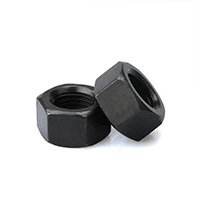
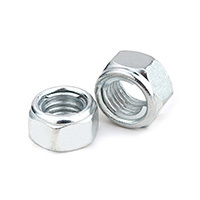
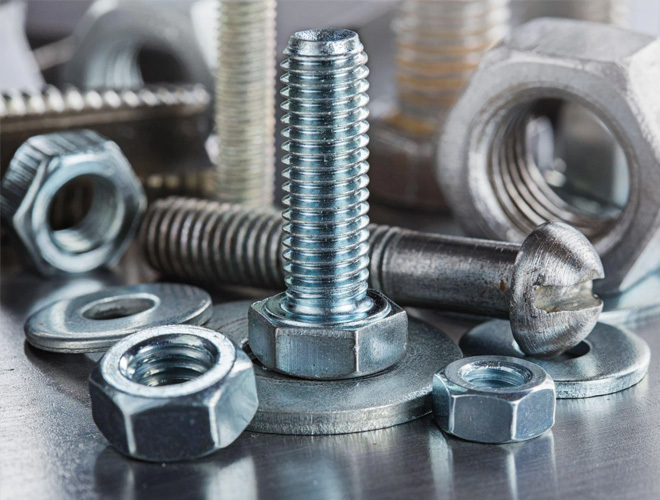
Traditional bolts are cylindrical rods with a head on one end and threads on the other. They are typically fastened using a nut, and their design allows for easy assembly and disassembly. Traditional bolts come in various types, including:
- **Hex bolts**: Featuring a hexagonal head for wrench applications.
- **Carriage bolts**: Designed with a round head and a square neck to prevent rotation.
- **Lag bolts**: Heavy-duty options for wood and other materials.
Advantages of traditional bolts include their widespread availability and ease of use. However, they also have limitations, particularly regarding access and space constraints.
2.2 Overview of Hexagon Socket Bolts
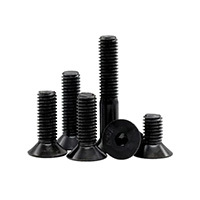
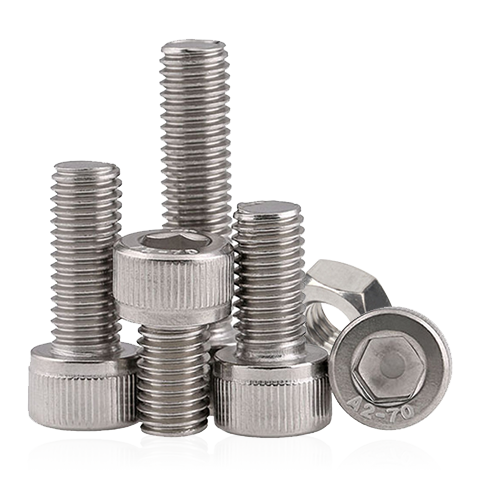
Hexagon socket bolts, also known as Allen bolts, feature a hexagonal recess in the head designed for use with an Allen wrench. This unique design allows for a more compact fastening solution, particularly in areas with limited access. Key attributes of hexagon socket bolts include:
- **Versatility**: Suitable for various applications, including automotive and machinery.
- **Enhanced torque**: The design allows for greater torque transfer, which is ideal for high-stress applications.
- **Aesthetic appeal**: These bolts often provide a neater finish in visible applications.
The hexagon socket design can facilitate better engagement with the wrench, minimizing the risk of stripping the head, which is a common issue with traditional bolts.
3. Design Features of Hexagon Socket Bolts
Hexagon socket bolts are engineered with specific design features that enhance their functionality and usability. Some key features include:
- **Recessed head**: The hexagonal recess allows for a greater range of torque, providing more secure fastening.
- **Compactness**: The low-profile head design makes hexagon socket bolts ideal for tight spaces where a traditional wrench cannot fit.
- **Material options**: Available in various materials, including stainless steel, carbon steel, and alloy steel, hexagon socket bolts can withstand different environmental stresses.
These design elements contribute to the overall performance of hexagon socket bolts, making them a preferred choice in many applications.
4. Advantages of Traditional Bolts
While hexagon socket bolts have gained popularity for specific applications, traditional bolts still retain distinct advantages:
- **Ease of access**: Traditional bolts are often easier to access with standard tools, making them convenient for general applications.
- **Variety of heads**: They come in numerous head styles, allowing adaptation to various fastening needs.
- **Cost-effectiveness**: Traditional bolts are generally more affordable and widely available, making them an accessible option for many projects.
These benefits highlight why traditional bolts are still widely used in various industries despite the advantages of hexagon socket bolts.
5. Application Comparison: Where Each Bolt Excels
Understanding where each type of bolt excels can inform your decision-making process. Here’s a look at the applications best suited for each type:
Hexagon Socket Bolts
- **Automotive industry**: Used extensively in engine assembly and chassis construction due to their high torque capacity.
- **Machinery assembly**: Ideal for applications requiring precise fastening and frequent disassembly.
- **Furniture assembly**: Often utilized for flat-pack furniture where a clean finish is desired.
Traditional Bolts
- **Construction projects**: Commonly used in wood and masonry applications due to their versatility and strength.
- **Heavy machinery**: Though not as torque-efficient, they provide strong connections in less space-restricted environments.
- **General-purpose applications**: A go-to fastening solution for various DIY and repair projects.
The applications highlight unique strengths, enabling you to choose the right bolt for your specific project requirements.
6. Installation Process: Hexagon Socket vs. Traditional
The installation process is crucial to achieving a secure connection, and understanding the differences can guide your choice.
Hexagon Socket Bolts
- **Tools required**: Allen wrench or hex key.
- **Technique**: Insert the wrench into the hexagonal socket and turn clockwise until secure. The design allows for a tighter fit in confined areas.
Traditional Bolts
- **Tools required**: Wrench or socket set.
- **Technique**: Place the bolt through the materials to be joined, and secure with a nut. This process can be cumbersome in tight spaces but is generally more straightforward.
The installation process can significantly impact efficiency and ease of use, particularly in complex projects.
7. Cost Analysis: Making the Right Financial Choice
When evaluating hexagon socket bolts versus traditional bolts, it’s essential to consider the cost implications.
- **Hexagon Socket Bolts**: Generally, these bolts can be more expensive due to their design and manufacturing processes. However, their durability and performance may justify the initial investment, especially in high-stress applications.
- **Traditional Bolts**: These bolts typically offer cost savings, especially for large-scale projects where bulk purchasing is possible. Their widespread availability also means that replacement and repairs are often more affordable.
A thorough cost analysis should factor in both the upfront expenses and long-term benefits, helping you decide the most economical choice for your project.
8. FAQs about Hexagon Socket Bolts and Traditional Bolts
Q1: What are the main differences between hexagon socket bolts and traditional bolts?
A1: The primary differences lie in their head design, torque capacity, and applications. Hexagon socket bolts have a recessed head for better torque transfer, while traditional bolts typically have a standard hexagonal or other head shapes.
Q2: Are hexagon socket bolts more durable than traditional bolts?
A2: Hexagon socket bolts are often made from high-strength materials, making them suitable for heavy-duty applications. However, the durability of both types largely depends on the specific material used.
Q3: Can I use an Allen wrench on traditional bolts?
A3: No, traditional bolts are designed for standard wrenches or sockets, while hexagon socket bolts specifically require an Allen wrench.
Q4: Are hexagon socket bolts suitable for outdoor use?
A4: Yes, when made from corrosion-resistant materials like stainless steel, hexagon socket bolts can be suitable for outdoor applications.
Q5: Which type of bolt is better for DIY projects?
A5: Traditional bolts are typically easier to work with for DIY projects due to their accessibility and familiar tools; however, hexagon socket bolts may be more advantageous in specific applications requiring precision.
9. Conclusion: Making Your Decision
Choosing between hexagon socket bolts and traditional bolts ultimately depends on the specific requirements of your project. **Hexagon socket bolts** offer enhanced torque and compact design, making them ideal for high-stress applications and tight spaces. Conversely, **traditional bolts** provide ease of use, cost-effectiveness, and versatility, making them suitable for various construction and general-purpose applications.
Carefully evaluating your project’s needs—considering factors such as installation space, torque requirements, material durability, and budget—will help you make an informed decision. Ultimately, selecting the appropriate fastening solution can enhance the integrity and longevity of your work, ensuring that your project stands the test of time.
Hot Tags:

Contact
E-mail:
Phone:
Address:
Yongnian Southwest Development Zone, Handan City, Hebei Province


PRODUCT SEARCH
Search And Quickly Find The Products You Need
The company has a modern production workshop and a professional technical team. It has introduced advanced automated production equipment from home and abroad, strictly controls every production link, is customer-centric, and is committed to providing customers with high-quality products and services.
Continue Search OR Customize Products