




Troubleshooting Common Issues with Expansion Bolts: A Comprehensive Guide
Jan 26,2025
Troubleshooting Common Issues with Expansion Bolts: A Comprehensive Guide
Table of Contents
- Introduction to Expansion Bolts
- Understanding Expansion Bolts: What You Need to Know
- Common Issues with Expansion Bolts
- Effective Troubleshooting Techniques
- Preventive Measures for Long-Term Performance
- When to Seek Professional Help
- Conclusion
- Frequently Asked Questions
Introduction to Expansion Bolts
Expansion bolts are essential fasteners widely used in construction and engineering applications. They provide a strong connection between materials and are particularly effective in securing items to concrete or masonry. However, just like any component in a mechanical assembly, expansion bolts can encounter issues that compromise their performance. Understanding how to troubleshoot these problems is crucial for ensuring the safety and integrity of your projects.
Understanding Expansion Bolts: What You Need to Know
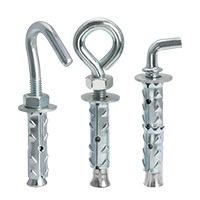
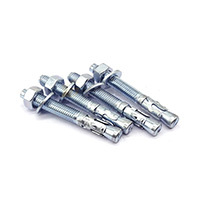
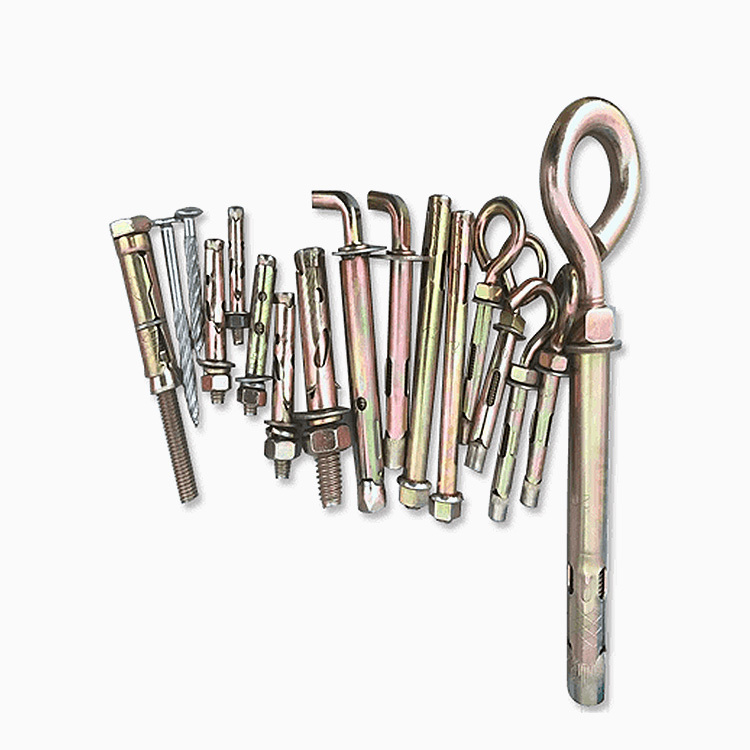
Expansion bolts consist of a metal bolt with a sleeve or expansion mechanism that allows it to grip the surrounding material tightly once it is installed. When the bolt is tightened, the sleeve expands against the walls of the drilled hole, creating a firm anchor point. Different types of expansion bolts are available, including wedge anchors, sleeve anchors, and toggle bolts, each designed for specific applications and load capacities.
Common Issues with Expansion Bolts
While expansion bolts are designed for durability and strength, they can experience various issues that may hinder their functionality. Here, we will cover the four most common problems that can arise when using expansion bolts.
1. Incorrect Installation
One of the leading causes of expansion bolt failure is incorrect installation. A poorly drilled hole or insufficient torque can lead to a weak connection. To ensure proper installation, follow the manufacturer's guidelines regarding hole diameter, depth, and the torque specifications for the specific type of expansion bolt you are using.
2. Corrosion and Wear
Environmental factors can lead to the corrosion of expansion bolts, particularly in outdoor applications or areas with high humidity. Corrosion not only weakens the bolt but can also lead to the loosening of the connection over time. Regular inspections and the use of corrosion-resistant materials, such as stainless steel or galvanized finishes, can mitigate this issue.
3. Load-Bearing Failures
Expansion bolts are designed to bear specific loads, and exceeding these limits can lead to failure. It's essential to calculate the anticipated load accurately and select bolts that can handle the required weight. Using an inadequate type of bolt or not accounting for dynamic loads can result in catastrophic failures.
4. Material Compatibility
Not all materials are compatible with expansion bolts. Using the wrong type of bolt for a specific material can compromise the connection. For instance, an expansion bolt designed for concrete may not perform well in softer materials like brick or drywall. Always ensure that the bolt type is suitable for the material being fastened.
Effective Troubleshooting Techniques
When issues arise with expansion bolts, employing effective troubleshooting techniques is vital to identify and resolve the problems quickly.
1. Visual Inspection
Start with a thorough visual inspection of the installation. Look for signs of corrosion, deformation, or loosening. Regular inspections can help catch issues early before they escalate.
2. Verify Installation Procedures
Review the installation process against the manufacturer's guidelines. Ensure that all steps were followed correctly, including the proper hole preparation and torque specifications.
3. Load Assessment
Evaluate the load requirements of your project. Determine if the expansion bolts currently in use are appropriate for the anticipated loads. If not, consider replacing them with bolts that meet the necessary specifications.
4. Material Compatibility Check
Assess the materials involved in the installation. Confirm that the expansion bolts used are compatible with both the base material and any additional components. If incompatibilities exist, replace them with the correct bolts.
Preventive Measures for Long-Term Performance
Taking proactive steps can significantly reduce the likelihood of issues arising with expansion bolts. Here are several preventive measures to consider:
1. Regular Maintenance
Implement a regular maintenance schedule that includes visual inspections and torque checks. This practice can help identify potential issues before they become critical.
2. Use of Proper Materials
Select expansion bolts made from corrosion-resistant materials for environments prone to moisture. Additionally, ensure that the coatings applied to the bolts are suitable for the specific application.
3. Training for Installation Teams
Providing training for installation teams can enhance their understanding of proper installation techniques and the importance of following guidelines. This practice can lead to more effective use of expansion bolts in the field.
4. Documenting Installations
Keep a record of all installations, including the types of bolts used, loads expected, and installation procedures followed. This documentation can be invaluable for troubleshooting future issues.
When to Seek Professional Help
In some cases, troubleshooting and preventive measures may not be sufficient to resolve issues with expansion bolts. If problems persist, it may be necessary to consult a professional engineer or contractor specializing in fasteners and structural connections. They can conduct a thorough assessment and provide solutions tailored to your specific situation.
Conclusion
Expansion bolts play a critical role in securing structural elements and ensuring the safety of various applications. By understanding common issues, employing effective troubleshooting techniques, and taking preventive measures, we can enhance their performance and longevity. Regular maintenance and proper installation practices are vital in avoiding complications. When in doubt, do not hesitate to seek professional assistance to ensure your projects are completed successfully and safely.
Frequently Asked Questions
1. What are the main types of expansion bolts?
The most common types of expansion bolts include wedge anchors, sleeve anchors, and toggle bolts, each suited for different applications.
2. How can I tell if my expansion bolt is corroded?
Signs of corrosion include discoloration, rust, and flaking on the bolt surface. Regular inspections can help you identify these signs early.
3. What should I do if my expansion bolt is loose?
If an expansion bolt is loose, first check the installation process for errors. If everything appears correct, retighten the bolt and assess the load conditions.
4. Can I use expansion bolts in wet environments?
Yes, but it’s essential to choose corrosion-resistant materials and finish options that can withstand moisture exposure.
5. How do I know how much load my expansion bolt can handle?
Consult the manufacturer's specifications for load ratings and select bolts designed for the anticipated load in your specific application.
Hot Tags:

Contact
E-mail:
Phone:
Address:
Yongnian Southwest Development Zone, Handan City, Hebei Province


PRODUCT SEARCH
Search And Quickly Find The Products You Need
The company has a modern production workshop and a professional technical team. It has introduced advanced automated production equipment from home and abroad, strictly controls every production link, is customer-centric, and is committed to providing customers with high-quality products and services.
Continue Search OR Customize Products