




The Increasing Demand for Expansion Bolts in Industrial Applications
Feb 13,2025
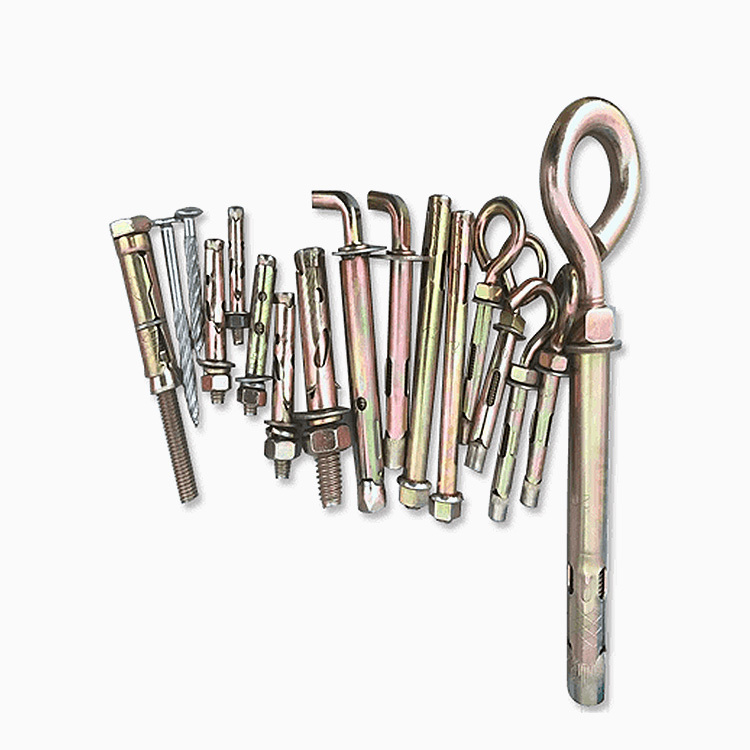
The Increasing Demand for Expansion Bolts in Industrial Applications
Table of Contents
1. Introduction to Expansion Bolts
2. Understanding the Types of Expansion Bolts
2.1. Mechanical Expansion Bolts
2.2. Chemical Expansion Bolts
3. Advantages of Using Expansion Bolts
3.1. Enhanced Load-Bearing Capacity
3.2. Versatility in Applications
3.3. Easy Installation Process
4. Key Industries Utilizing Expansion Bolts
4.1. Construction Industry
4.2. Automotive Industry
4.3. Manufacturing Sector
5. Factors Driving the Demand for Expansion Bolts
5.1. Growth in Infrastructure Projects
5.2. Advances in Material Technology
5.3. Increased Focus on Safety and Durability
6. The Future of Expansion Bolts in Industry
7. FAQs about Expansion Bolts
8. Conclusion
1. Introduction to Expansion Bolts
Expansion bolts are critical components in various industrial applications, serving as reliable fastening solutions that provide superior holding power. With the increasing demands of modern construction and manufacturing, these bolts have gained significant popularity. They work by expanding within a pre-drilled hole, creating a secure bond between materials. Understanding the mechanics of expansion bolts reveals why they are becoming a preferred choice in diverse sectors.
2. Understanding the Types of Expansion Bolts
Different types of expansion bolts cater to various needs and specifications. Here, we explore the most common types to help you select the right option for your application.
2.1. Mechanical Expansion Bolts
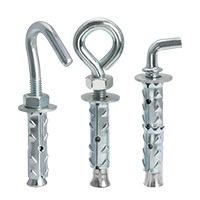
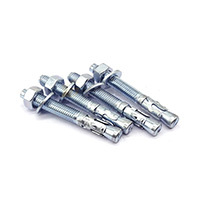
Mechanical expansion bolts utilize a wedge mechanism that expands against the sides of the hole when the bolt is tightened. This design ensures a strong grip and allows for easy adjustments. Mechanical expansion bolts are typically used in heavy-load applications, such as structural steel connections or anchoring machinery.
2.2. Chemical Expansion Bolts
Chemical expansion bolts involve a resin or adhesive that bonds the bolt to the surrounding material. Once the adhesive cures, it forms a strong bond, making it suitable for applications requiring high resistance to environmental factors. These bolts are often employed in applications where vibrations or dynamic loads are present.
3. Advantages of Using Expansion Bolts
The increasing adoption of expansion bolts can be attributed to their numerous advantages. Here, we highlight the key benefits that make them a popular choice.
3.1. Enhanced Load-Bearing Capacity
Expansion bolts are engineered to handle substantial loads, making them ideal for structural applications. The expansion mechanism creates a secure grip that distributes weight evenly, reducing the risk of failure under stress.
3.2. Versatility in Applications
One of the standout features of expansion bolts is their versatility. They can be used in various materials, including concrete, brick, and masonry. This adaptability makes them suitable for a wide range of applications, from construction to automotive assembly.
3.3. Easy Installation Process
The installation of expansion bolts is straightforward, often requiring minimal tools and expertise. This ease of use reduces labor costs and time associated with fastening components, making them a preferred choice for contractors.
4. Key Industries Utilizing Expansion Bolts
The demand for expansion bolts spans multiple industries. Here are some key sectors where they are extensively used:
4.1. Construction Industry
In the construction sector, expansion bolts are crucial for anchoring structural elements. They provide the necessary strength to support beams, columns, and other vital components in buildings and infrastructure projects.
4.2. Automotive Industry
The automotive industry relies heavily on expansion bolts for assembling various vehicle components. Their ability to withstand vibrations and provide a secure bond ensures the integrity of automotive structures.
4.3. Manufacturing Sector
Manufacturing facilities use expansion bolts in machinery installations and equipment assembly. The high load-bearing capacity of these fasteners supports heavy machinery and ensures operational efficiency.
5. Factors Driving the Demand for Expansion Bolts
Several factors contribute to the rising demand for expansion bolts in industrial applications. Here’s a closer look at these driving forces.
5.1. Growth in Infrastructure Projects
The global increase in infrastructure development projects has led to a higher need for reliable fastening solutions. Expansion bolts' strength and versatility make them indispensable in modern construction practices.
5.2. Advances in Material Technology
With ongoing advancements in material technology, expansion bolts are being manufactured with stronger, more durable materials. These innovations enhance their performance, making them more appealing to industries requiring high-performance fasteners.
5.3. Increased Focus on Safety and Durability
As industries prioritize safety and durability, the demand for strong fastening solutions like expansion bolts has surged. Their ability to provide secure connections minimizes the risk of accidents and equipment failure, aligning with safety standards.
6. The Future of Expansion Bolts in Industry
Looking ahead, the future of expansion bolts in industrial applications appears promising. As technology continues to evolve, the manufacturing processes for these fasteners will likely become more efficient, leading to enhanced performance and lower costs. Additionally, industries are expected to embrace sustainable practices, which could drive innovation in material use and production techniques.
7. FAQs about Expansion Bolts
What are expansion bolts used for?
Expansion bolts are primarily used for anchoring and fastening heavy loads in construction and industrial applications. They are ideal for situations requiring strong hold and stability.
How do expansion bolts work?
Expansion bolts work by expanding against the sides of a pre-drilled hole when tightened, creating a secure bond that distributes load evenly.
Are expansion bolts removable?
Yes, expansion bolts can be removed. However, care should be taken during removal to avoid damaging the surrounding material.
What materials are expansion bolts made from?
Expansion bolts are typically made from various materials, including steel, stainless steel, and sometimes other alloys, depending on the application and environmental conditions.
Can expansion bolts be used in outdoor applications?
Yes, expansion bolts can be used outdoors. However, it is essential to select bolts made from corrosion-resistant materials to ensure longevity in outdoor environments.
8. Conclusion
The increasing demand for expansion bolts in industrial applications reflects their vital role in modern construction, manufacturing, and automotive industries. With their exceptional load-bearing capacity, versatility, and ease of installation, expansion bolts have become an essential component in ensuring the safety and reliability of various applications. As industries continue to evolve, so too will the innovations surrounding expansion bolts, promising a bright future for these indispensable fasteners. By understanding their benefits and applications, professionals can make informed decisions to enhance their projects and operations.
Hot Tags:

Contact
E-mail:
Phone:
Address:
Yongnian Southwest Development Zone, Handan City, Hebei Province


PRODUCT SEARCH
Search And Quickly Find The Products You Need
The company has a modern production workshop and a professional technical team. It has introduced advanced automated production equipment from home and abroad, strictly controls every production link, is customer-centric, and is committed to providing customers with high-quality products and services.
Continue Search OR Customize Products