




Choosing the Right High Strength Full Thread Bolts for Your Projects: A Comprehensive Guide
Feb 19,2025
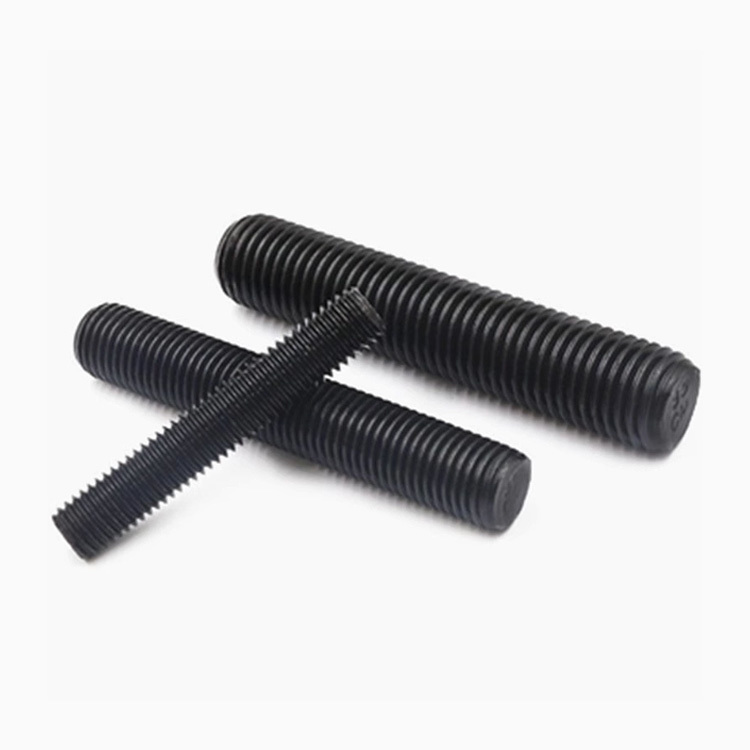
Choosing the Right High Strength Full Thread Bolts for Your Projects
Table of Contents
1. Understanding High Strength Full Thread Bolts
2. Importance of Selecting the Right Fasteners
3. Key Specifications and Features
3.1. Material Types
3.2. Grade and Strength
3.3. Coatings and Finishes
4. Applications of High Strength Full Thread Bolts
4.1. Construction Industry
4.2. Automotive Sector
4.3. Manufacturing and Machinery
5. How to Choose the Right High Strength Full Thread Bolts
5.1. Assessing Load Requirements
5.2. Environmental Considerations
6. Installation Tips for High Strength Full Thread Bolts
7. Common Mistakes to Avoid
8. Frequently Asked Questions
9. Conclusion
1. Understanding High Strength Full Thread Bolts
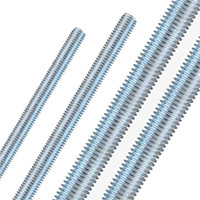
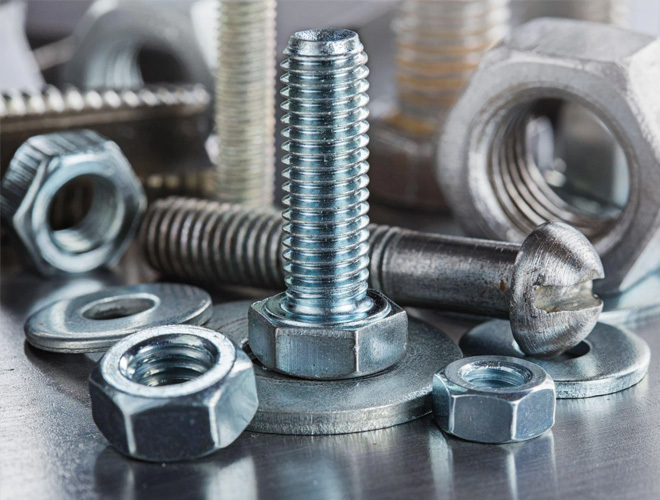
High strength full thread bolts are essential components in a variety of industrial applications. These bolts are designed to provide superior tensile strength and secure fastening for heavy-duty projects. Unlike standard bolts, full thread bolts feature threads that extend along the entire length, allowing for a more robust connection in applications requiring significant load-bearing capabilities.
2. Importance of Selecting the Right Fasteners
Choosing the right fasteners is crucial for the integrity of any project. The wrong choice can lead to failures that compromise safety and cause financial losses. High strength full thread bolts are ideal for situations where high load capacities and resistance to shear forces are necessary. They provide uniform tensile strength and flexibility across their length, ensuring a secure fit in various materials and conditions.
3. Key Specifications and Features
Understanding the specifications and features of high strength full thread bolts is essential for making informed decisions.
3.1. Material Types
High strength full thread bolts are typically made from materials such as carbon steel, stainless steel, and alloy steel. Each material has its advantages:
- **Carbon Steel**: Offers high tensile strength and is cost-effective but may corrode if not properly treated.
- **Stainless Steel**: Provides excellent corrosion resistance but can be more expensive; ideal for outdoor or marine applications.
- **Alloy Steel**: Combines various elements to enhance strength and wear resistance, suitable for extreme conditions.
3.2. Grade and Strength
Bolts are classified into grades based on their tensile strength. Common grades for high strength bolts include Grade 8, Grade 10.9, and Grade 12.9. Choosing the right grade depends on the load requirements and the nature of the application. Higher grade bolts offer greater strength but may also require specific installation techniques.
3.3. Coatings and Finishes
Coatings and finishes like zinc plating, hot-dip galvanizing, and black oxide can enhance the corrosion resistance and aesthetic appeal of high strength bolts. Selecting the right finish is essential for ensuring longevity in the specific environment where the bolts will be used.
4. Applications of High Strength Full Thread Bolts
High strength full thread bolts are versatile and used across several industries.
4.1. Construction Industry
In construction, high strength bolts are utilized for connecting structural steel components, ensuring safety and stability in buildings and bridges. Their ability to withstand heavy loads makes them a preferred choice among engineers.
4.2. Automotive Sector
The automotive industry relies heavily on high strength full thread bolts to secure components under high-stress conditions. From engine assemblies to chassis connections, these bolts ensure that vehicles maintain structural integrity and performance.
4.3. Manufacturing and Machinery
Manufacturers use high strength full thread bolts in machinery assembly to withstand vibrations and dynamic loads. Their reliable fastening capabilities contribute significantly to operational efficiency and safety.
5. How to Choose the Right High Strength Full Thread Bolts
Selecting the appropriate high strength full thread bolts involves careful consideration of several factors.
5.1. Assessing Load Requirements
Understanding the load requirements of your project is critical. Consider both static and dynamic loads, as well as any potential shock or impact forces that may act on the assembly. Utilize engineering principles to calculate the required bolt specifications.
5.2. Environmental Considerations
Evaluate the environmental conditions where the bolts will be installed. Factors such as humidity, temperature fluctuations, and exposure to chemicals can influence the choice of material and finish. Proper selection ensures that the fasteners will perform reliably over time.
6. Installation Tips for High Strength Full Thread Bolts
Proper installation is key to maximizing the performance of high strength full thread bolts. Here are some essential tips:
- **Pre-Drill Holes**: Ensure that the holes are appropriately sized and aligned to facilitate easy insertion of the bolts.
- **Use Correct Tools**: Utilize the appropriate torque wrench to ensure proper tightening without overtightening, which can cause bolt failure.
- **Apply Lubricants**: Consider using anti-seize lubricants to prevent galling and ease installation, especially in stainless steel applications.
7. Common Mistakes to Avoid
Avoiding common pitfalls can save time and resources:
- **Neglecting Load Calculations**: Always perform load calculations to prevent under or over-specifying the bolts.
- **Ignoring Corrosion Protection**: Failing to choose the right coating can lead to premature failure, especially in corrosive environments.
- **Using Incompatible Materials**: Ensure that the bolts are compatible with the materials they are fastening to prevent galvanic corrosion.
8. Frequently Asked Questions
1. What is the difference between full thread bolts and partial thread bolts?
Full thread bolts have threads extending along their entire length, providing better grip and load distribution compared to partial thread bolts, which have threads only on a portion of their length.
2. How do I determine the right grade of high strength bolt for my project?
Assess your project's load requirements, environmental conditions, and specific application to determine the appropriate grade of bolt needed for optimal performance.
3. Can high strength full thread bolts be used in outdoor applications?
Yes, but it is essential to select bolts with appropriate corrosion-resistant coatings to ensure durability in outdoor environments.
4. What tools are necessary for installing high strength full thread bolts?
Key tools include a torque wrench, socket set, and potentially anti-seize lubricants, depending on the materials being fastened.
5. How should I store high strength bolts to maintain their quality?
Store bolts in a dry, cool environment away from direct sunlight, and ensure they are in their original packaging to prevent contamination and damage.
9. Conclusion
In conclusion, selecting the right high strength full thread bolts for your projects is vital for ensuring safety, durability, and performance. Understanding the specifications, applications, and installation techniques will empower you to make informed decisions. By considering factors like load requirements and environmental conditions, you can choose the best fasteners for your needs. With careful planning and execution, your projects will benefit from the reliability and strength that high strength full thread bolts provide.
Hot Tags:

Contact
E-mail:
Phone:
Address:
Yongnian Southwest Development Zone, Handan City, Hebei Province


PRODUCT SEARCH
Search And Quickly Find The Products You Need
The company has a modern production workshop and a professional technical team. It has introduced advanced automated production equipment from home and abroad, strictly controls every production link, is customer-centric, and is committed to providing customers with high-quality products and services.
Continue Search OR Customize Products