




Expansion Bolts: The Ultimate Solution for Vibration Resistance in Machinery
Aug 30,2025
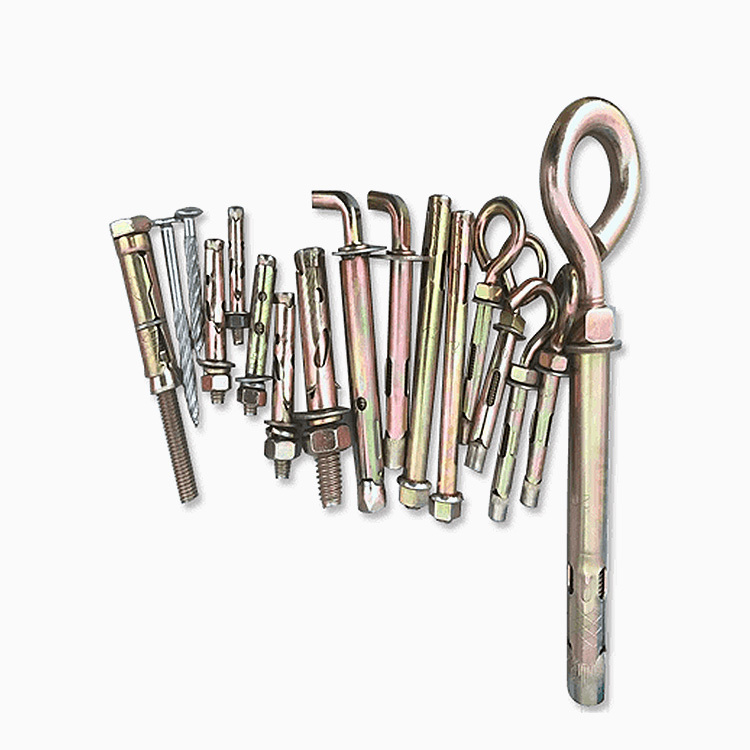
Expansion Bolts: A Solution for Vibration Resistance in Machinery
Table of Contents
- Introduction to Expansion Bolts
- Understanding Vibration Resistance in Machinery
- Types of Expansion Bolts
- Applications of Expansion Bolts in Machinery
- Advantages of Using Expansion Bolts
- Best Practices for Installing Expansion Bolts
- Maintenance Tips for Expansion Bolts
- Conclusion
- Frequently Asked Questions
Introduction to Expansion Bolts
In industrial settings, ensuring the stability and longevity of machinery is crucial. **Expansion bolts** play a significant role in achieving this stability, especially when dealing with vibrations. These fasteners are designed to anchor securely within materials, providing a reliable connection that withstands the forces generated by machinery. In this article, we explore the various aspects of expansion bolts, from their types and applications to their installation and maintenance.
Understanding Vibration Resistance in Machinery
Vibration resistance refers to the ability of machinery components to remain intact and functional despite the dynamic forces exerted on them. Vibrations can arise from various sources, including:
- **Rotating machinery**
- **Imbalance in parts**
- **External environmental factors**
These vibrations, if unchecked, can lead to wear, misalignment, and eventual failure of components. Expansion bolts address these challenges by providing a robust fastening solution that minimizes movement and maintains integrity.
Types of Expansion Bolts
When selecting expansion bolts for vibration resistance, it is essential to understand the different types available. Each type has unique features suited for specific applications.
Wedge Expansion Bolts
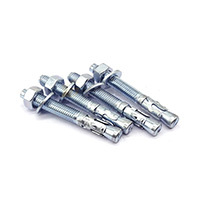
Wedge expansion bolts consist of a bolt and a wedge-shaped mechanism. When the bolt is tightened, the wedge is forced outward, creating a strong grip against the sides of the hole. This type is ideal for heavy loads and offers superior resistance to vibration.
Sleeve Expansion Bolts
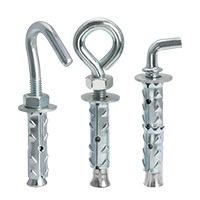
Sleeve expansion bolts feature a sleeve that expands as the bolt is tightened. This design allows for flexibility in various materials, making them versatile for different applications. They are commonly used in concrete and masonry.
Drop-In Expansion Bolts
Drop-in expansion bolts are designed for use in pre-drilled holes. They provide a secure fastening solution for overhead or vertical applications. Their design allows for easy installation and removal, making them suitable for temporary structures.
Applications of Expansion Bolts in Machinery
Expansion bolts are widely used across different industries due to their reliability and strength. Some common applications include:
- **Machinery anchoring**: Securing heavy machinery in place to prevent movement caused by vibrations.
- **Structural support**: Used in building frameworks and supporting structures, ensuring stability against dynamic forces.
- **Equipment installation**: Ideal for mounting equipment such as generators, pumps, and compressors, where vibration resistance is critical.
Advantages of Using Expansion Bolts
Choosing expansion bolts for your machinery offers numerous benefits:
1. **Enhanced vibration resistance**: Their design minimizes movement, ensuring connections remain secure.
2. **Versatility**: Suitable for various materials, including concrete, steel, and masonry.
3. **Ease of installation**: Many types can be installed quickly and efficiently.
4. **Corrosion resistance**: Many expansion bolts are available in corrosion-resistant materials, prolonging their lifespan.
5. **Cost-effectiveness**: Their durability reduces the need for frequent replacements, saving time and money.
Best Practices for Installing Expansion Bolts
To maximize the effectiveness of expansion bolts, following proper installation procedures is essential. Here are some best practices:
- **Choose the right type**: Assess your specific application to determine which expansion bolt type is most suitable.
- **Drill precise holes**: Ensure that the holes are drilled to the correct diameter and depth for optimal performance.
- **Clean the holes**: Remove any dust or debris from the holes to ensure a secure fit.
- **Follow torque specifications**: Adhere to the manufacturer's torque recommendations to prevent over-tightening, which can damage the bolt or surrounding material.
Maintenance Tips for Expansion Bolts
Regular maintenance of expansion bolts is crucial for sustaining their performance. Consider the following tips:
- **Inspect regularly**: Check for signs of wear or corrosion, especially in harsh environments.
- **Retighten when necessary**: Periodically retighten bolts to ensure they maintain their tension and effectiveness.
- **Replace damaged bolts**: In cases of visible damage or wear, replace the expansion bolts promptly to avoid potential failures.
Conclusion
Expansion bolts are an essential component in the machinery sector, providing unparalleled vibration resistance and reliability. By understanding the various types, applications, and best practices associated with these fasteners, we can ensure the durability and stability of our equipment. Investing in high-quality expansion bolts and adhering to maintenance routines will not only enhance operational efficiency but also extend the lifespan of machinery.
Frequently Asked Questions
1. What materials are expansion bolts made from?
Expansion bolts can be made from various materials, including stainless steel, carbon steel, and aluminum, depending on the required strength and corrosion resistance.
2. How do I know which type of expansion bolt to use?
Choosing the right type depends on factors such as the material you are fastening to, the load requirements, and the environment in which the bolts will be used.
3. Can expansion bolts be reused?
It is generally advisable to replace expansion bolts after removal to ensure integrity, especially if they have been subjected to significant load or wear.
4. Are expansion bolts suitable for outdoor use?
Yes, expansion bolts can be suitable for outdoor use if made from corrosion-resistant materials. Always check for specifications related to environmental exposure.
5. What is the difference between expansion bolts and anchor bolts?
While both serve as fastening solutions, expansion bolts expand within the hole to create a secure fit, whereas anchor bolts are typically embedded in concrete or masonry and may not provide the same level of expansion.
Hot Tags:
PREVIOUS:

Contact
E-mail:
Phone:
Address:
Yongnian Southwest Development Zone, Handan City, Hebei Province


PRODUCT SEARCH
Search And Quickly Find The Products You Need
The company has a modern production workshop and a professional technical team. It has introduced advanced automated production equipment from home and abroad, strictly controls every production link, is customer-centric, and is committed to providing customers with high-quality products and services.
Continue Search OR Customize Products