




Hexagon Socket Bolts: A Key Component in Modern Engineering
Sep 09,2025
Hexagon Socket Bolts: A Key Component in Modern Engineering
Table of Contents
- 1. Introduction to Hexagon Socket Bolts
- 2. Design and Structure of Hexagon Socket Bolts
- 3. Materials and Coatings Used in Hexagon Socket Bolts
- 4. Advantages of Hexagon Socket Bolts
- 5. Applications in Various Industries
- 6. Installation and Maintenance Best Practices
- 7. Common Issues and Solutions
- 8. Future Trends in Fasteners
- 9. Conclusion
- 10. Frequently Asked Questions
1. Introduction to Hexagon Socket Bolts
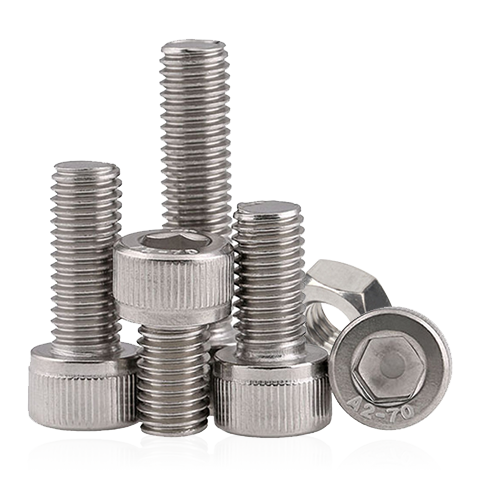
Hexagon socket bolts, often referred to as Allen bolts, are integral to modern engineering and construction. Their design features a hexagonal recess that allows for a tool, typically an Allen wrench, to secure them in place. This design provides several advantages, including improved torque application and reduced risk of stripping compared to traditional bolts. In this article, we will delve into the nuances of hexagon socket bolts, exploring their design, materials, applications, and future trends.
2. Design and Structure of Hexagon Socket Bolts
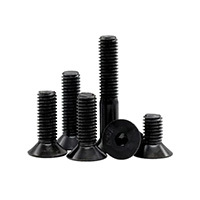
The design of hexagon socket bolts is a critical factor contributing to their functionality. Typically made from high-strength steel, these bolts feature a cylindrical head with a hexagonal recess. This design allows for a compact installation, making them ideal for applications with limited space.
2.1 Head Types and Sizes
Hexagon socket bolts come in various head types, including flanged, standard, and socket cap designs. The choice of head type often depends on the specific application and the required strength. Sizes vary, allowing for customization according to load requirements and installation conditions.
2.2 Thread Types
These bolts can feature coarse or fine threads, impacting their grip and load capacity. Coarse threads are better suited for softer materials, while fine threads offer greater tensile strength and are ideal for high-load applications.
3. Materials and Coatings Used in Hexagon Socket Bolts
The materials and coatings used in hexagon socket bolts significantly influence their performance, durability, and resistance to environmental factors.
3.1 Common Materials
High-strength steel is the most commonly used material for hexagon socket bolts, providing excellent tensile strength. Stainless steel variants are also available, offering enhanced corrosion resistance, making them suitable for outdoor and marine applications.
3.2 Protective Coatings
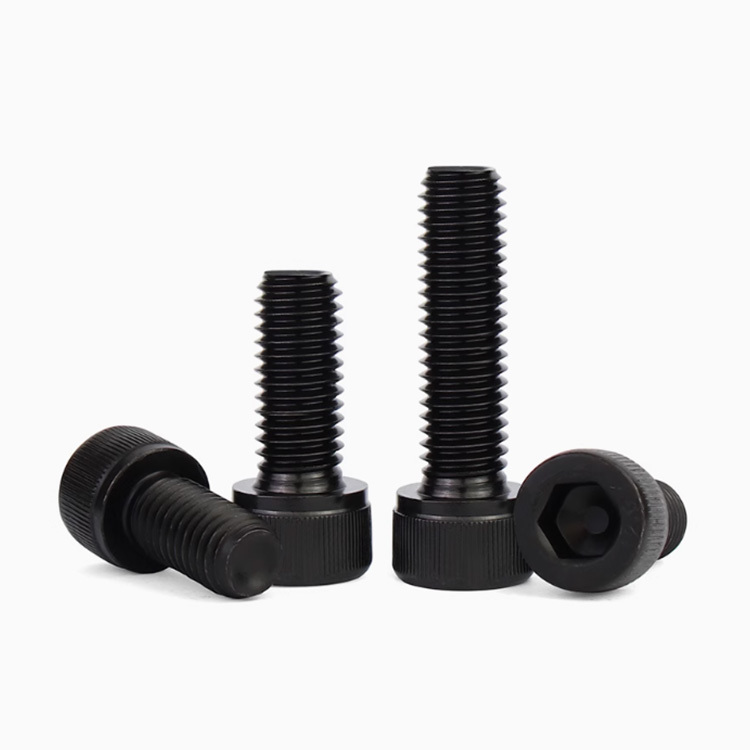
To further enhance their performance, many hexagon socket bolts come with protective coatings such as zinc plating, black oxide, or powder coating. These coatings provide additional protection against rust and wear, prolonging the life of the bolt in various environments.
4. Advantages of Hexagon Socket Bolts
Hexagon socket bolts offer numerous benefits that make them a preferred choice in various engineering applications.
4.1 Enhanced Torque Application
The recessed hexagonal design allows for the application of higher torque compared to flat-head bolts. This feature ensures a secure fit and reduces the risk of loosening over time.
4.2 Space Efficiency
Their compact design makes hexagon socket bolts ideal for environments where space is limited. Unlike traditional bolts, they can be installed in tight areas without compromising strength.
4.3 Reduced Risk of Stripping
Hexagon socket bolts generally have a lower risk of stripping when compared to conventional bolts, ensuring a more reliable connection and reducing maintenance needs.
5. Applications in Various Industries
The versatility of hexagon socket bolts makes them suitable for a wide range of applications across multiple industries.
5.1 Automotive Industry
In the automotive industry, hexagon socket bolts are used extensively in engine assemblies, chassis components, and suspension systems. Their ability to withstand high stresses and vibrations contributes to vehicle safety and performance.
5.2 Construction and Infrastructure
In construction, these bolts secure structural steel components, precast concrete, and modular systems. Their strength ensures structural integrity while simplifying assembly processes.
5.3 Electronics and Appliances
Hexagon socket bolts are increasingly used in the electronics industry for securing components in appliances and devices. Their compact design allows for efficient use of space, making them ideal for modern electronics.
5.4 Industrial Machinery
In industrial settings, hexagon socket bolts are vital for securing machinery parts and equipment. Their durability ensures long-lasting performance even in demanding environments.
6. Installation and Maintenance Best Practices
Proper installation and maintenance of hexagon socket bolts are essential to ensure optimal performance and longevity.
6.1 Installation Techniques
When installing hexagon socket bolts, it is crucial to use the correct size Allen wrench to avoid stripping the recess. Tightening should be done gradually, applying even torque to prevent uneven stress on the assembly.
6.2 Regular Inspections
Conducting regular inspections of installed hexagon socket bolts can help identify any loosening or wear. Early detection allows for timely maintenance, ensuring the integrity of the assembly.
6.3 Lubrication
Applying a suitable lubricant can reduce friction during installation, making it easier to achieve the desired torque. It also assists in preventing galling, a common issue with stainless steel bolts.
7. Common Issues and Solutions
Despite their advantages, hexagon socket bolts can encounter several common issues.
7.1 Stripped Recesses
Stripped recesses can occur if the wrong size tool is used or if excessive torque is applied. To mitigate this, ensure the correct size wrench is used and avoid over-tightening.
7.2 Corrosion
In environments prone to moisture, corrosion can compromise the integrity of hexagon socket bolts. Using stainless steel variants or applying protective coatings can help prevent this issue.
7.3 Loosening Over Time
Vibration and dynamic loading can cause bolts to loosen over time. Regular inspections and re-tightening can help maintain their grip.
8. Future Trends in Fasteners
The future of hexagon socket bolts and fasteners, in general, is promising, with several trends emerging.
8.1 Smart Fasteners
The integration of smart technologies into fasteners is on the rise. Smart hexagon socket bolts can provide real-time data on torque levels and structural integrity, enhancing maintenance practices.
8.2 Sustainable Materials
As industries increasingly focus on sustainability, the development of eco-friendly materials for fasteners is gaining traction. Innovations in biodegradable or recyclable materials will likely shape the future of hexagon socket bolts.
8.3 Enhanced Coatings
Advancements in coating technologies are expected to yield more durable and corrosion-resistant finishes for hexagon socket bolts, extending their lifespan and performance.
9. Conclusion
Hexagon socket bolts play a crucial role in modern engineering, offering superior strength, reliability, and versatility across various industries. Their unique design allows for efficient torque application and ease of installation, making them a preferred choice among engineers and manufacturers. As we move towards a future that prioritizes smart technology and sustainability, hexagon socket bolts are poised to evolve further, enhancing their role in engineering applications.
10. Frequently Asked Questions
10.1 What are hexagon socket bolts used for?
Hexagon socket bolts are used in various applications, including automotive, construction, electronics, and industrial machinery, due to their strength and ease of installation.
10.2 How do I select the right size hexagon socket bolt?
Choosing the correct size involves considering the application’s load requirements and the material being fastened. Always refer to manufacturer specifications for guidance.
10.3 Can hexagon socket bolts be reused?
Yes, hexagon socket bolts can often be reused if they show no signs of wear or damage. However, it’s essential to inspect them thoroughly before reinstallation.
10.4 Are hexagon socket bolts corrosion-resistant?
While standard steel hexagon socket bolts may be prone to corrosion, stainless steel variants and those with protective coatings offer improved resistance to rust and environmental factors.
10.5 How do I maintain hexagon socket bolts?
Regular inspections, appropriate lubrication, and avoiding over-tightening during installation can help maintain the integrity and performance of hexagon socket bolts.
By understanding and utilizing hexagon socket bolts effectively, engineers and manufacturers can enhance the quality and durability of their projects, ensuring lasting success in their endeavors.
Hot Tags:

Contact
E-mail:
Phone:
Address:
Yongnian Southwest Development Zone, Handan City, Hebei Province


PRODUCT SEARCH
Search And Quickly Find The Products You Need
The company has a modern production workshop and a professional technical team. It has introduced advanced automated production equipment from home and abroad, strictly controls every production link, is customer-centric, and is committed to providing customers with high-quality products and services.
Continue Search OR Customize Products