




How to Properly Install Stainless Steel Bolts for Maximum Efficiency
Sep 19,2025
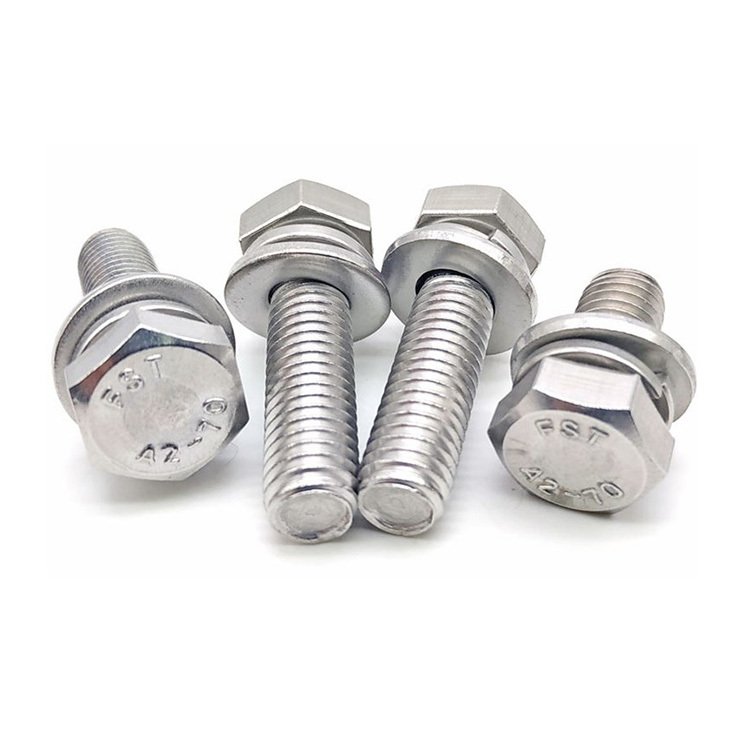
How to Properly Install Stainless Steel Bolts for Maximum Efficiency
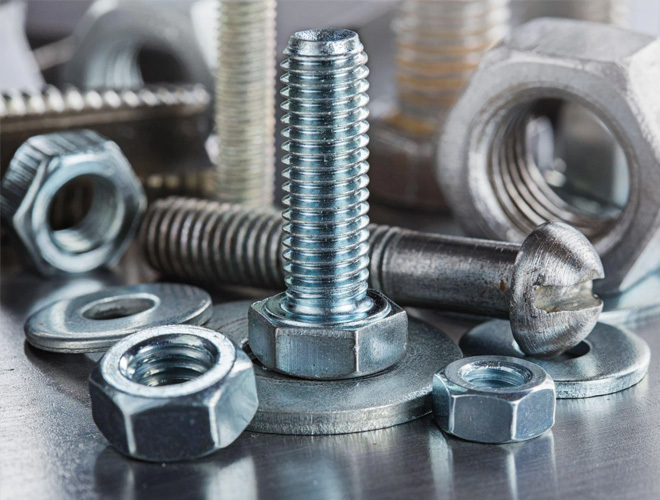
When it comes to industrial applications, installing stainless steel bolts correctly is crucial for ensuring structural integrity and longevity. Stainless steel bolts offer superior strength and corrosion resistance, making them ideal for various environments. In this detailed guide, we will explore how to install these bolts properly for maximum efficiency, ensuring you achieve outstanding results for your projects.
Table of Contents
- Understanding Stainless Steel Bolts
- Benefits of Using Stainless Steel Bolts
- Pre-Installation Steps
- Choosing the Right Tools for Installation
- Step-by-Step Installation Process
- Common Installation Mistakes to Avoid
- Maintenance and Inspection Tips
- Frequently Asked Questions
Understanding Stainless Steel Bolts
Stainless steel bolts are fasteners made from stainless steel, known for their durability, corrosion resistance, and aesthetic appeal. They are commonly classified into different grades, such as 304 and 316, each with unique properties. Understanding the specific characteristics of these grades is essential for selecting the right bolts for your application. Grade 304 is more versatile and cost-effective, while Grade 316 offers superior resistance to chlorides and harsh chemicals.
Key Properties of Stainless Steel Bolts
- Corrosion Resistance: Stainless steel bolts resist rust and corrosion, making them ideal for outdoor and marine applications.
- High Strength: They provide excellent tensile strength, ensuring they hold up under pressure.
- Low Maintenance: Stainless steel requires minimal upkeep, reducing long-term costs.
- Aesthetic Appeal: The shiny finish of stainless steel bolts enhances the overall appearance of your installation.
Benefits of Using Stainless Steel Bolts
Choosing stainless steel bolts has numerous advantages, especially in industrial settings. These benefits extend beyond mere corrosion resistance and include:
Durability and Longevity
Stainless steel is renowned for its durability, making it a reliable choice for long-term applications. When properly installed, stainless steel bolts can last for decades, reducing the need for frequent replacements.
Versatility in Applications
From construction to automotive industries, stainless steel bolts are suitable for various applications. Their ability to withstand extreme temperatures and corrosive environments makes them a universal solution.
Cost-Effectiveness in the Long Run
While stainless steel bolts may have a higher upfront cost compared to other materials, their longevity and low maintenance requirements often result in lower overall expenses.
Pre-Installation Steps
Before installing stainless steel bolts, take the time to prepare and ensure everything is in order. This will help you avoid complications later on.
Conduct a Site Assessment
Evaluate the installation site to determine any specific environmental factors that may affect the performance of the bolts. Consider exposure to moisture, chemicals, or extreme temperatures.
Gather Necessary Materials
Ensure you have all required materials, including:
- Stainless steel bolts
- Washers
- Lock nuts or lock washers
- Lubricants (anti-seize compound, if necessary)
Choosing the Right Tools for Installation
The right tools play a vital role in ensuring efficient and accurate installation. Here’s what you will need:
Essential Tools for Installation
- Torque Wrench: Crucial for applying the correct amount of torque to prevent over-tightening.
- Sockets and Ratchets: Necessary for loosening and tightening bolts.
- Drill and Drill Bits: Used for creating pilot holes in hard materials.
- Measuring Tape: For accurate measurements of bolt lengths and spacing.
Step-by-Step Installation Process
The installation of stainless steel bolts requires precision and attention to detail. Follow these steps to ensure proper installation:
Step 1: Preparing the Surface
Ensure the surface where the bolts will be installed is clean, dry, and free of debris. Remove any rust, paint, or old fasteners.
Step 2: Selecting the Right Bolt Length
Choose a bolt length that allows for at least one full thread engagement. This is vital for ensuring a secure fit.
Step 3: Drilling Pilot Holes
If required, drill pilot holes that match the diameter of the bolts. This step is crucial when working with hard materials to prevent cracking or splitting.
Step 4: Inserting Washers
Place washers over the bolt threads before inserting them into the prepared holes. Washers distribute the load and prevent damage to the material.
Step 5: Hand-Tightening the Bolts
Insert the bolts and hand-tighten them to ensure they are properly seated. Avoid using power tools at this stage to prevent cross-threading.
Step 6: Using a Torque Wrench
Once all bolts are hand-tightened, use a torque wrench to apply the specified torque. Refer to manufacturer specifications to determine the appropriate torque settings.
Step 7: Final Inspection
Inspect the installation to ensure all bolts are properly tightened and seated. Look for any signs of misalignment or damage.
Common Installation Mistakes to Avoid
Avoiding common pitfalls can significantly enhance the effectiveness of your installation. Here are a few mistakes to watch out for:
Over-Tightening Bolts
Applying too much torque can lead to bolt failure or damage to the materials being fastened. Always adhere to the recommended torque specifications.
Using Incorrect Bolt Length
Choosing bolts that are too short can compromise stability, while excessively long bolts may lead to unnecessary stress. Always measure accurately.
Neglecting Lubrication
Failing to apply appropriate lubrication can lead to galling, especially in stainless steel fasteners. Use anti-seize compounds when necessary.
Maintenance and Inspection Tips
To ensure your stainless steel bolt installations remain effective over time, regular maintenance and inspections are essential.
Periodic Inspections
Conduct regular inspections to check for signs of wear, corrosion, or loosening. Early detection can prevent more significant issues down the line.
Cleaning
Keep the bolts and surrounding areas clean to prevent buildup that could affect performance. A gentle cleaning solution can help maintain their appearance and function.
Re-Tightening
In high-stress applications, consider re-tightening bolts periodically to ensure they remain secure.
Frequently Asked Questions
1. What grade of stainless steel bolts is best for outdoor use?
For outdoor applications, Grade 316 stainless steel bolts are recommended due to their exceptional resistance to corrosion from saltwater and harsh chemicals.
2. Can I use stainless steel bolts in high-temperature environments?
Yes, stainless steel bolts can withstand high temperatures, but it’s important to check their specific temperature limits based on the grade used.
3. How do I know if my stainless steel bolts are properly tightened?
Using a torque wrench ensures that you apply the correct amount of torque, which is key in determining if bolts are properly tightened.
4. Is it necessary to use washers with stainless steel bolts?
Yes, washers help distribute the load and reduce the risk of damage to the material, enhancing the overall effectiveness of the installation.
5. What maintenance is required for stainless steel bolts?
Regular inspections for signs of wear or corrosion, along with periodic cleaning, are recommended to maintain bolt integrity and performance.
Conclusion
Installing stainless steel bolts with precision and care is essential for achieving maximum efficiency in any industrial application. By understanding the properties of stainless steel, following the proper installation steps, and avoiding common mistakes, you can ensure that your installations remain secure and effective for years to come. Regular maintenance and inspection will further enhance their longevity, making stainless steel bolts a reliable choice for your fastening needs. With this guide, you are well-equipped to tackle your next project with confidence.
Hot Tags:
PREVIOUS:

Contact
E-mail:
Phone:
Address:
Yongnian Southwest Development Zone, Handan City, Hebei Province


PRODUCT SEARCH
Search And Quickly Find The Products You Need
The company has a modern production workshop and a professional technical team. It has introduced advanced automated production equipment from home and abroad, strictly controls every production link, is customer-centric, and is committed to providing customers with high-quality products and services.
Continue Search OR Customize Products