




Exploring the Strength and Durability Testing of Expansion Bolts: A Comprehensive Guide
Nov 28,2025
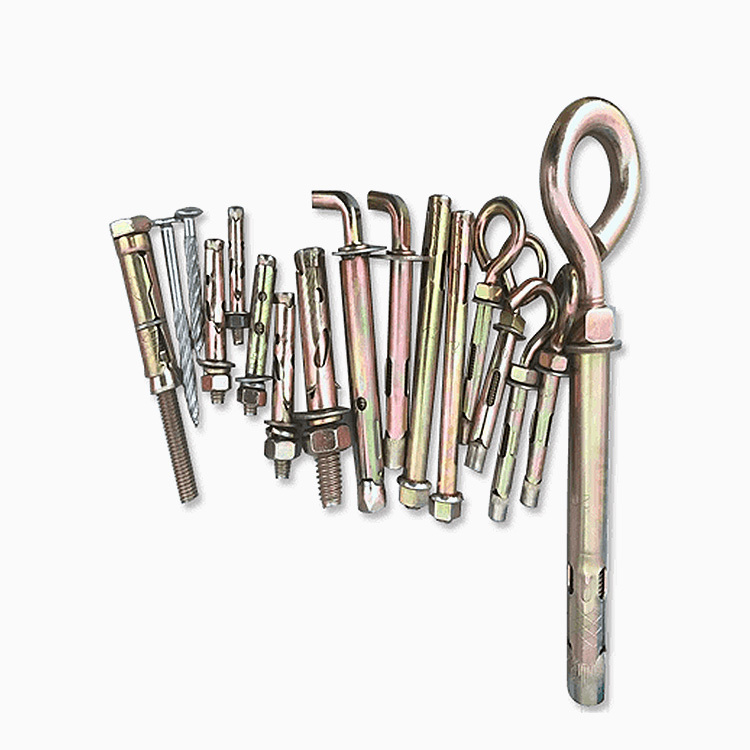
How Expansion Bolts Are Tested for Strength and Durability
Table of Contents
- 1. Introduction to Expansion Bolts
- 2. Importance of Testing Expansion Bolts
- 3. Common Testing Methods for Expansion Bolts
- 4. Industry Standards for Testing Expansion Bolts
- 5. Factors Affecting the Strength and Durability of Expansion Bolts
- 6. Common Applications of Expansion Bolts
- 7. Conclusion
- 8. FAQs About Expansion Bolt Testing
1. Introduction to Expansion Bolts
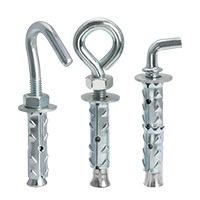
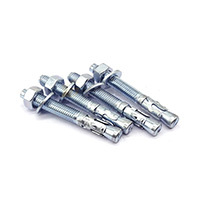
Expansion bolts are essential fasteners used in construction and engineering applications for their ability to anchor heavy loads securely. Unlike regular bolts, expansion bolts expand upon installation, creating a tight fit in the material, whether it’s concrete, masonry, or stone. This unique property is what makes them a popular choice in various settings, including building facades, heavy machinery, and structural reinforcements.
In this article, we will explore how the strength and durability of these critical components are rigorously tested, ensuring they can withstand the demands of their environments. Understanding the testing methods and standards helps engineers select the right expansion bolts for their specific applications.
2. Importance of Testing Expansion Bolts
Testing expansion bolts for strength and durability is paramount for several reasons:
- **Safety**: The primary concern in any construction or engineering project is safety. Weak or improperly tested bolts can lead to catastrophic failures, endangering lives and property.
- **Compliance**: Many industries adhere to strict regulations and standards that dictate the performance of fastening systems. Testing ensures compliance with these requirements.
- **Reliability**: Ensuring the strength and durability of expansion bolts promotes reliability in structural integrity. Engineers can be confident that their designs will perform as expected over time.
- **Cost-Effectiveness**: Investing in quality testing can save companies significant expenses in the long run by preventing failures, rework, and legal issues.
3. Common Testing Methods for Expansion Bolts
To assess the strength and durability of expansion bolts, several standard testing methods are employed. These tests focus on different aspects of performance, providing comprehensive data on how well the bolts will perform under various conditions.
3.1 Tensile Testing
Tensile testing measures how much force an expansion bolt can withstand when being pulled apart. During this process, a sample bolt is subjected to increasing loads until failure occurs. The data collected from this test reveals the tensile strength of the bolt, which is crucial for understanding its performance in tension applications.
The test is conducted using a tensile testing machine, which pulls the bolt at a controlled rate. The results help engineers determine whether the bolt can handle the loads expected in real-world applications.
3.2 Pull-Out Testing
Pull-out testing is designed to evaluate how well an expansion bolt can resist being pulled from the material it is anchored into. This is particularly important for bolts used in concrete or masonry.
In this test, the bolt is installed into a test specimen, and a pulling force is applied until the bolt is extracted. The maximum load achieved before pull-out indicates the bolt's holding strength. Factors such as the type of material and the depth of the bolt's embedment play a crucial role in the results of this test.
3.3 Shear Testing
Shear testing measures the ability of an expansion bolt to withstand forces applied parallel to its length. This is vital in scenarios where lateral forces may act on a structure.
In a shear test, the bolt is subjected to a force that attempts to slide it out of the fastened material. The results determine the shear strength of the bolt, which is critical for applications where sideways stress is expected.
4. Industry Standards for Testing Expansion Bolts
Various organizations provide standards for testing expansion bolts, ensuring consistency and reliability in performance. Some of the most recognized standards include:
- **ASTM (American Society for Testing and Materials)**: Provides guidelines for the mechanical properties of bolts and their fasteners.
- **ISO (International Organization for Standardization)**: Offers international standards for various types of fasteners, including expansion bolts.
- **SAE (Society of Automotive Engineers)**: Sets standards particularly relevant for expansion bolts used in automotive applications.
Adhering to these standards during testing ensures that the expansion bolts meet industry requirements and perform reliably under specified conditions.
5. Factors Affecting the Strength and Durability of Expansion Bolts
Several factors influence the strength and durability of expansion bolts:
- **Material Composition**: The steel grade and alloy composition can significantly affect the tensile and shear strength of the bolts.
- **Coating and Corrosion Resistance**: Bolts that are coated with protective materials can resist corrosion, which is vital for long-term durability. Zinc plating, galvanization, and powder coating are common methods to enhance longevity.
- **Installation Method**: Proper installation is crucial. Misalignment or over-tightening can lead to premature failure.
- **Environmental Conditions**: Exposure to harsh environments, such as high humidity or extreme temperatures, can affect the performance of expansion bolts over time.
6. Common Applications of Expansion Bolts
Expansion bolts are used across various industries and applications, demonstrating their versatility and reliability. Here are some notable examples:
- **Construction**: Used for securing structural components like beams and columns to concrete.
- **Mechanical Engineering**: Employed to anchor machinery and equipment, ensuring stability during operation.
- **Highway Infrastructure**: Essential in road barriers, signposts, and traffic lights, where stability is critical.
- **Home Improvement**: Utilized in DIY projects for securing shelves, cabinets, and heavy fixtures to walls.
The broad applicability of expansion bolts makes them indispensable in ensuring the structural integrity of various systems.
7. Conclusion
Understanding how expansion bolts are tested for strength and durability is essential for anyone involved in construction and engineering. The rigorous testing methods, adherence to industry standards, and consideration of various influencing factors ensure that these critical fasteners perform reliably under demanding conditions.
By selecting properly tested expansion bolts for their projects, engineers and builders can enhance safety, compliance, and overall reliability. As construction techniques continue to evolve, the importance of robust testing practices will only grow, solidifying the role of expansion bolts in modern engineering.
8. FAQs About Expansion Bolt Testing
1. What is the primary purpose of testing expansion bolts?
The primary purpose of testing expansion bolts is to ensure their strength and durability, confirming they can handle the loads and stresses expected in their applications.
2. How often should expansion bolts be tested?
The frequency of testing depends on the application and environmental conditions. Regular inspections and testing are advisable, especially in critical infrastructure.
3. What factors can lead to the failure of expansion bolts?
Failure can occur due to improper installation, corrosion, material degradation, or exceeding the specified load limits.
4. Can expansion bolts be reused after testing?
Reusing expansion bolts is not recommended after testing, as they may have been compromised during the process. New bolts should always be used in critical applications.
5. What should I consider when selecting expansion bolts for my project?
Consider the bolt material, coating, size, load requirements, and installation environment to ensure optimal performance for your specific application.
Hot Tags:
PREVIOUS:

Contact
E-mail:
Phone:
Address:
Yongnian Southwest Development Zone, Handan City, Hebei Province


PRODUCT SEARCH
Search And Quickly Find The Products You Need
The company has a modern production workshop and a professional technical team. It has introduced advanced automated production equipment from home and abroad, strictly controls every production link, is customer-centric, and is committed to providing customers with high-quality products and services.
Continue Search OR Customize Products