




Why Choose Hexagon Socket Bolts for Your Industrial Fastening Needs?
Nov 30,2024
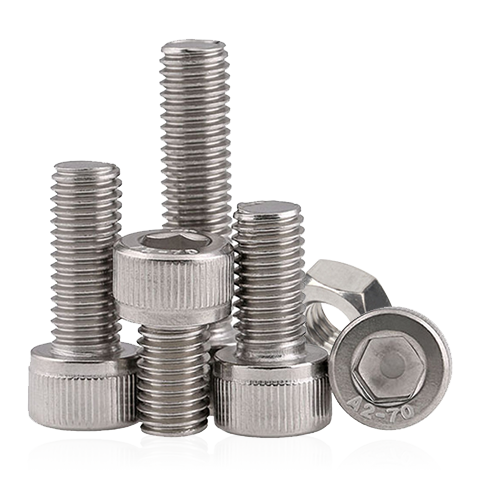
Why Choose Hexagon Socket Bolts for Your Industrial Fastening Needs?
In the world of industrial fastening, the selection of the right components is crucial for ensuring efficiency, reliability, and safety. One type of fastener that stands out is the **hexagon socket bolt**. These bolts offer numerous advantages that make them an excellent choice for a variety of applications. In this article, we will explore the unique features, benefits, and potential applications of hexagon socket bolts, helping you understand why they should be your go-to fastening solution.
hexagon socket bolts
Table of Contents
- What Are Hexagon Socket Bolts?
- Key Features of Hexagon Socket Bolts
- Benefits of Using Hexagon Socket Bolts
- Materials Used in Hexagon Socket Bolts
- Applications of Hexagon Socket Bolts
- Installation and Maintenance of Hexagon Socket Bolts
- Common Issues and Solutions with Hexagon Socket Bolts
- Conclusion
- FAQs
What Are Hexagon Socket Bolts?
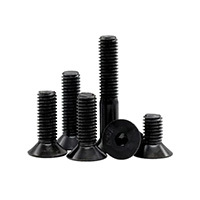
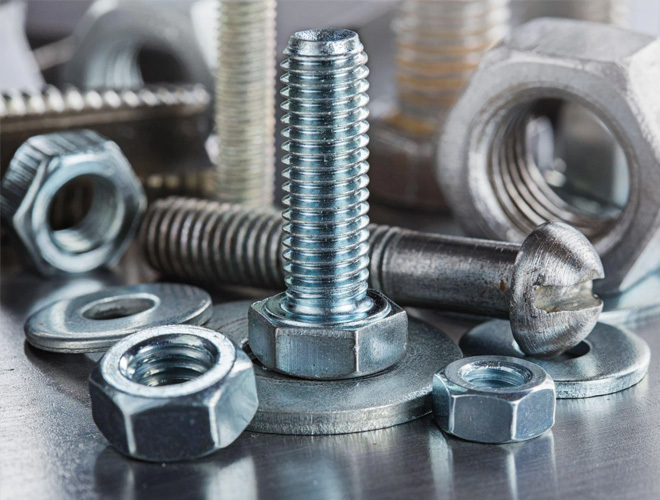
Hexagon socket bolts, commonly known as **Allen bolts**, feature a hexagonal recessed socket on their heads, allowing for the use of an Allen wrench for tightening and loosening. Unlike traditional bolts that require a wrench on the exterior, the recessed design provides a more compact and streamlined fastening solution. This makes them suitable for applications where space is limited or aesthetics are important.
Understanding the Design
The design of hexagon socket bolts incorporates a cylindrical shaft with a threaded portion that secures the bolt to a nut or a threaded hole. The ability to drive these bolts with an Allen wrench contributes to their increased torque capability, which is essential for high-stress applications.
Key Features of Hexagon Socket Bolts
The following features highlight the advantages of hexagon socket bolts:
- Compact Design: The recessed socket allows for a cleaner and more compact fastening solution.
- Higher Torque Capacity: The design enables the application of greater torque without stripping the bolt head.
- Versatility: Suitable for various applications across multiple industries.
- Easy Accessibility: The hexagonal socket provides easier access in confined spaces compared to traditional bolts.
Benefits of Using Hexagon Socket Bolts
When it comes to industrial fastening, choosing hexagon socket bolts offers several distinct benefits:
Enhanced Performance
Hexagon socket bolts deliver superior performance in high-stress environments. Their ability to withstand high torque levels reduces the likelihood of loosening over time, making them ideal for heavy machinery and structural applications.
Improved Aesthetics
In applications where the appearance of the fastening solution matters, hexagon socket bolts create a cleaner look as they sit flush with the surface, reducing the risk of snagging or interfering with other components.
Durability and Longevity
Manufactured from high-quality materials, hexagon socket bolts exhibit excellent resistance to wear and corrosion. This durability translates into longer service life and decreased maintenance costs, ultimately enhancing productivity.
Materials Used in Hexagon Socket Bolts
The materials used in the production of hexagon socket bolts play a significant role in their performance and suitability for various applications. Common materials include:
Carbon Steel
Carbon steel is often used for standard hexagon socket bolts. It offers a great balance of strength and hardness, making it suitable for a wide range of applications.
Stainless Steel
For environments prone to corrosion, stainless steel hexagon socket bolts are preferred. They maintain their integrity and appearance over time, making them ideal for marine or chemical applications.
Alloy Steel
Alloy steel bolts are designed for high-strength applications. They are typically treated to enhance their durability and are often used in heavy machinery and structural engineering.
Applications of Hexagon Socket Bolts
Hexagon socket bolts are versatile and can be used in numerous applications across various industries:
Automotive Industry
In the automotive sector, these bolts are essential for securing components, ensuring vehicles are safe and reliable. Their ability to withstand vibrations makes them particularly valuable.
Manufacturing
Manufacturers utilize hexagon socket bolts to assemble machinery and equipment due to their strength and the ability to achieve high torque settings.
Construction
In construction, these bolts are used for structural applications where strength and reliability are paramount, such as in steel framing and heavy equipment.
Aerospace
The aerospace industry relies on hexagon socket bolts for their lightweight yet strong characteristics, essential for maintaining the integrity of aircraft components.
Installation and Maintenance of Hexagon Socket Bolts
Proper installation and maintenance practices are crucial for maximizing the performance of hexagon socket bolts:
Installation Tips
- Ensure the mating surfaces are clean and free from debris.
- Use the appropriate size Allen wrench to prevent stripping the bolt head.
- Follow the manufacturer's torque specifications to avoid over-tightening.
Maintenance Practices
Regular inspection of hexagon socket bolts for wear and corrosion is recommended. If signs of degradation are observed, replacements should be made to maintain integrity and safety.
Common Issues and Solutions with Hexagon Socket Bolts
While hexagon socket bolts are reliable, some common issues may arise:
Stripped Bolt Heads
Stripped heads can occur from improper tool usage. To prevent this, always use the correct size Allen wrench and apply torque gradually.
Corrosion
Corrosion can compromise the integrity of bolts, especially in harsh environments. Using stainless steel or coated bolts can mitigate this risk.
Conclusion
Choosing the right fastening solution is critical for ensuring the safety and efficiency of industrial applications. **Hexagon socket bolts** provide unique advantages, including enhanced performance, durability, and versatility across various industries. Their ability to withstand high torque and their aesthetic appeal make them an ideal choice for numerous applications. By understanding the features, benefits, and proper usage of hexagon socket bolts, you can make informed decisions that enhance the integrity and reliability of your industrial operations.
FAQs
1. What is a hexagon socket bolt?
A hexagon socket bolt is a type of fastener that features a recessed hexagonal socket, allowing for the use of an Allen wrench for installation and removal.
2. What are the advantages of using hexagon socket bolts?
These bolts offer enhanced torque capacity, a compact design, improved aesthetics, and increased durability compared to traditional fasteners.
3. In which industries are hexagon socket bolts commonly used?
Hexagon socket bolts are widely used in the automotive, manufacturing, construction, and aerospace industries due to their strength and versatility.
4. How do I install hexagon socket bolts correctly?
Ensure clean mating surfaces, use the appropriate size Allen wrench, and follow the manufacturer's torque specifications during installation.
5. What materials are hexagon socket bolts made from?
Common materials include carbon steel, stainless steel, and alloy steel, each offering different benefits depending on the application.
Hot Tags:

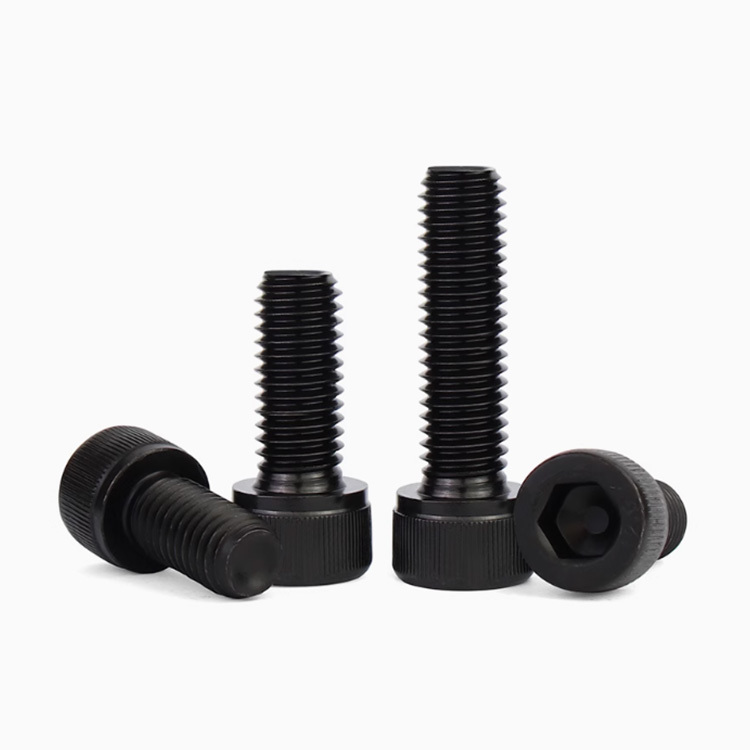
Contact
E-mail:
Phone:
Address:
Yongnian Southwest Development Zone, Handan City, Hebei Province


PRODUCT SEARCH
Search And Quickly Find The Products You Need
The company has a modern production workshop and a professional technical team. It has introduced advanced automated production equipment from home and abroad, strictly controls every production link, is customer-centric, and is committed to providing customers with high-quality products and services.
Continue Search OR Customize Products