




Understanding Hexagon Socket Bolts: Key Features and Applications
Jan 19,2025
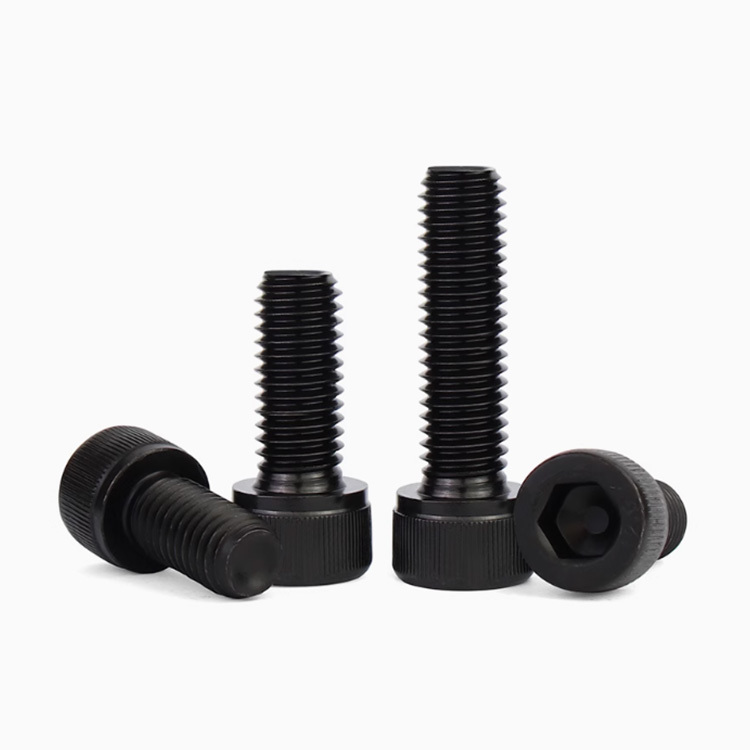
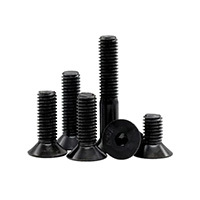
Hexagon socket bolts, often referred to as Allen bolts, are a type of fastener characterized by a hexagonal recess that requires an Allen wrench or hex key for tightening and loosening. They are widely used in various industrial applications due to their unique design and functional advantages. Understanding the features and applications of hexagon socket bolts can help professionals make informed decisions when selecting the right fasteners for their projects.
One of the primary advantages of hexagon socket bolts is their ability to distribute load evenly. This feature minimizes the risk of structural failure, making them ideal for high-stress environments. The internal hexagonal drive allows for a more compact design, which is particularly beneficial in applications where space is limited. Additionally, because they do not protrude like traditional head screws, hexagon socket bolts can reduce the risk of snagging and damage in tight spaces.
Another significant benefit of hexagon socket bolts is their resistance to stripping. The design of the hexagonal recess provides a larger surface area for the wrench, allowing for greater torque to be applied without damaging the fastener. This is especially important in applications that require a secure and reliable connection, such as in machinery and heavy equipment assembly.
Hexagon socket bolts are available in various materials, including carbon steel, stainless steel, and alloy steel, each offering different levels of strength, corrosion resistance, and durability. The choice of material largely depends on the specific application and environmental conditions. For instance, stainless steel hexagon socket bolts are often preferred in marine environments due to their resistance to corrosion, while carbon steel is commonly used in applications that require high strength and rigidity.
In terms of applications, hexagon socket bolts are prevalent in automotive, aerospace, and machinery manufacturing industries. They are used to secure components, such as engines, frames, and structural supports. Their versatility also extends to the assembly of furniture and household appliances, where aesthetic considerations and functionality are equally important.
When selecting hexagon socket bolts for a project, it is essential to consider factors such as load requirements, environmental conditions, and the materials being fastened. Ensuring that the correct size and type are chosen will lead to better performance and longevity of the assembly.
In conclusion, hexagon socket bolts are a vital component in the world of industrial fasteners. Their unique design, strength, and versatility make them suitable for a wide range of applications. Understanding the features and benefits of these fasteners can help professionals make the right choices to enhance their projects' reliability and efficiency.
One of the primary advantages of hexagon socket bolts is their ability to distribute load evenly. This feature minimizes the risk of structural failure, making them ideal for high-stress environments. The internal hexagonal drive allows for a more compact design, which is particularly beneficial in applications where space is limited. Additionally, because they do not protrude like traditional head screws, hexagon socket bolts can reduce the risk of snagging and damage in tight spaces.
Another significant benefit of hexagon socket bolts is their resistance to stripping. The design of the hexagonal recess provides a larger surface area for the wrench, allowing for greater torque to be applied without damaging the fastener. This is especially important in applications that require a secure and reliable connection, such as in machinery and heavy equipment assembly.
Hexagon socket bolts are available in various materials, including carbon steel, stainless steel, and alloy steel, each offering different levels of strength, corrosion resistance, and durability. The choice of material largely depends on the specific application and environmental conditions. For instance, stainless steel hexagon socket bolts are often preferred in marine environments due to their resistance to corrosion, while carbon steel is commonly used in applications that require high strength and rigidity.
In terms of applications, hexagon socket bolts are prevalent in automotive, aerospace, and machinery manufacturing industries. They are used to secure components, such as engines, frames, and structural supports. Their versatility also extends to the assembly of furniture and household appliances, where aesthetic considerations and functionality are equally important.
When selecting hexagon socket bolts for a project, it is essential to consider factors such as load requirements, environmental conditions, and the materials being fastened. Ensuring that the correct size and type are chosen will lead to better performance and longevity of the assembly.
In conclusion, hexagon socket bolts are a vital component in the world of industrial fasteners. Their unique design, strength, and versatility make them suitable for a wide range of applications. Understanding the features and benefits of these fasteners can help professionals make the right choices to enhance their projects' reliability and efficiency.
Hot Tags:

Contact
E-mail:
Phone:
Address:
Yongnian Southwest Development Zone, Handan City, Hebei Province


PRODUCT SEARCH
Search And Quickly Find The Products You Need
The company has a modern production workshop and a professional technical team. It has introduced advanced automated production equipment from home and abroad, strictly controls every production link, is customer-centric, and is committed to providing customers with high-quality products and services.
Continue Search OR Customize Products