




The Critical Importance of High Temperature Fasteners in Aerospace Engineering
Jan 20,2025

The Critical Importance of High Temperature Fasteners in Aerospace Engineering
Table of Contents
- 1. Introduction to High Temperature Fasteners
- 2. Understanding High Temperature Fasteners
- 3. Applications in Aerospace Engineering
- 4. Materials Used in High Temperature Fasteners
- 5. Design Considerations for High Temperature Fasteners
- 6. Performance Characteristics of High Temperature Fasteners
- 7. Innovations and Advancements in Fastener Technology
- 8. Challenges and Solutions in High Temperature Fastening
- 9. Conclusion
- 10. Frequently Asked Questions
1. Introduction to High Temperature Fasteners
In the high-stakes realm of aerospace engineering, **high temperature fasteners** serve as the unsung heroes that uphold structural integrity and safety. These specialized fasteners are designed to endure the extreme temperatures and stresses encountered in aerospace applications, from the fiery heat of rocket launches to the high-speed environments of jet engines. Understanding their significance is crucial for engineers and manufacturers working within this advanced industry.
2. Understanding High Temperature Fasteners
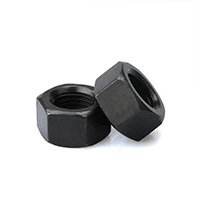
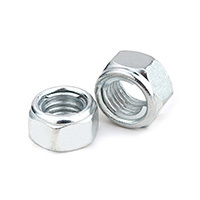
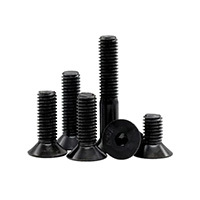
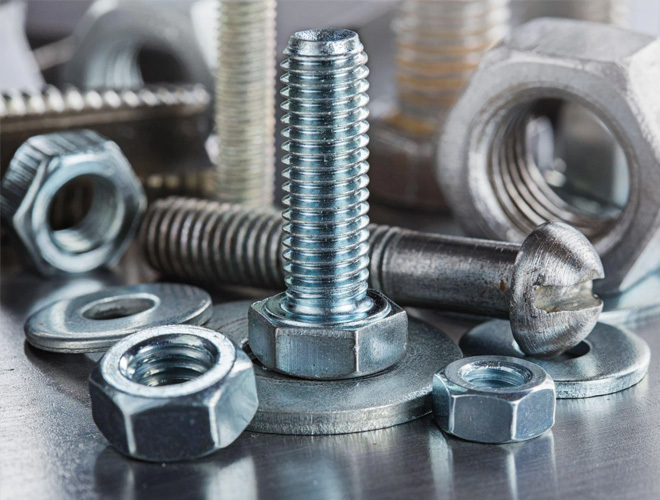
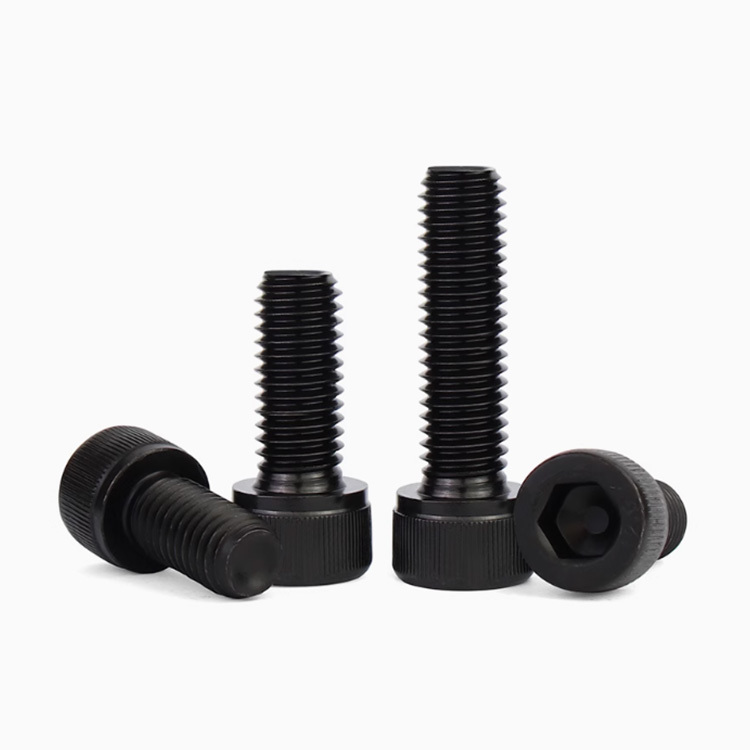
High temperature fasteners are critical components that secure various structural elements in aerospace vehicles. They include bolts, nuts, screws, and rivets specifically engineered to withstand high thermal loads. These fasteners are not just ordinary metal pieces; they are intricate devices that must operate reliably under conditions where traditional fasteners would fail.
What Makes Them Unique?
The uniqueness of high temperature fasteners lies in their material composition, design, and surface treatments. These fasteners feature alloys that maintain their strength and flexibility under extreme conditions. Common materials include **Inconel**, **titanium**, and **steel alloys**, all chosen for their performance in high-temperature settings.
3. Applications in Aerospace Engineering
High temperature fasteners play a pivotal role across various aerospace applications:
Rocket Engines
In rocket engines, fasteners must endure temperatures exceeding 1,500 degrees Fahrenheit. Here, they secure essential components like combustion chambers and nozzles, ensuring the structural integrity necessary for safe launches.
Jet Engines
In jet engines, high temperature fasteners are used to secure turbine blades and casings. The extreme operational temperatures demand fasteners that maintain strength and resist oxidation.
Structural Assemblies
Fasteners are equally important in the structural assemblies of aircraft. They connect fuselage sections, wings, and other critical components, ensuring the aircraft can withstand the forces experienced during flight.
4. Materials Used in High Temperature Fasteners
The choice of materials for high temperature fasteners is paramount. They must resist deformation and fatigue while exhibiting exceptional thermal stability.
Common Materials
- Inconel: Known for its excellent oxidation and corrosion resistance, Inconel is a nickel-chromium alloy that performs well in high-temperature settings.
- Titanium Alloys: Lightweight yet strong, titanium alloys are used in applications where reducing weight is crucial without sacrificing performance.
- Stainless Steel Alloys: Certain stainless steels are treated to withstand high temperatures and can be effective for applications that require additional strength.
5. Design Considerations for High Temperature Fasteners
When designing high temperature fasteners, engineers must consider several factors:
Thermal Expansion
Materials expand when heated, which can affect the fastening integrity. Engineers must account for thermal expansion rates during the design phase to mitigate potential failures.
Stress Concentration
High-stress areas must be identified and reinforced to prevent fatigue failures. This involves selecting the right fastener geometry and ensuring even load distribution.
Corrosion Resistance
Fasteners exposed to high temperatures are also susceptible to corrosion. Coatings and treatments such as passivation can enhance corrosion resistance.
6. Performance Characteristics of High Temperature Fasteners
To perform effectively, high temperature fasteners must exhibit several key characteristics:
High Strength-to-Weight Ratio
These fasteners are designed to be lightweight while maintaining exceptional strength. This is crucial in aerospace applications where every ounce counts.
Temperature Stability
Fasteners must sustain their properties at elevated temperatures without losing tensile strength or ductility.
Fatigue Resistance
Frequent thermal cycling can lead to material fatigue. Fasteners must have properties that allow them to endure repeated thermal expansion and contraction without failure.
7. Innovations and Advancements in Fastener Technology
As aerospace technology evolves, so too does the design and functionality of high temperature fasteners.
Additive Manufacturing
Additive manufacturing (3D printing) is becoming a game-changer in fastener production, enabling complex geometries that enhance performance while reducing weight.
Advanced Coatings
New coating technologies improve the performance of fasteners by enhancing their corrosion resistance and thermal stability. These advancements are crucial for extending the life of components in challenging environments.
8. Challenges and Solutions in High Temperature Fastening
Despite their importance, high temperature fasteners face several challenges:
Material Degradation
Over time, exposure to extreme conditions can cause degradation. Solutions include periodic inspections and using advanced materials that resist wear and corrosion.
Installation Techniques
Improper installation can lead to failures. Training for technicians and using precise torque specifications can mitigate this risk.
Cost Factors
High temperature materials can be more expensive than standard options. However, investing in quality fasteners can lead to long-term savings by reducing maintenance and replacement costs.
9. Conclusion
High temperature fasteners are indispensable components in the aerospace engineering sector. Their ability to withstand extreme thermal and mechanical stresses makes them foundational to the safety and performance of aerospace vehicles. As technology continues to advance, so too will the innovations surrounding high temperature fasteners, ensuring that they meet the ever-increasing demands of the aerospace industry. By understanding their role, applications, and the materials involved, engineers can better design and implement these critical components.
10. Frequently Asked Questions
1. What are high temperature fasteners?
High temperature fasteners are specialized components designed to secure parts in applications that experience extreme heat and stress, commonly used in aerospace engineering.
2. Which materials are typically used for high temperature fasteners?
Common materials include Inconel, titanium alloys, and various stainless steel alloys, all chosen for their high strength and thermal stability.
3. How do thermal expansion and stress concentration affect fastener design?
Engineers must consider thermal expansion and stress concentration to ensure that fasteners maintain integrity under varying thermal conditions and load distributions.
4. What are the latest innovations in high temperature fasteners?
Recent advancements include additive manufacturing for customized fastener designs and advanced coating technologies for improved performance and corrosion resistance.
5. What challenges do high temperature fasteners face in aerospace applications?
Challenges include material degradation, improper installation, and higher costs; however, ongoing research and development address these issues effectively.
By focusing on these critical aspects of high temperature fasteners, this article serves as a comprehensive guide, enhancing understanding and supporting effective applications within the aerospace industry.
Hot Tags:
Contact
E-mail:
Phone:
Address:
Yongnian Southwest Development Zone, Handan City, Hebei Province


PRODUCT SEARCH
Search And Quickly Find The Products You Need
The company has a modern production workshop and a professional technical team. It has introduced advanced automated production equipment from home and abroad, strictly controls every production link, is customer-centric, and is committed to providing customers with high-quality products and services.
Continue Search OR Customize Products