




Understanding Expansion Bolts: Essential Fasteners for Industrial Applications
Feb 22,2025
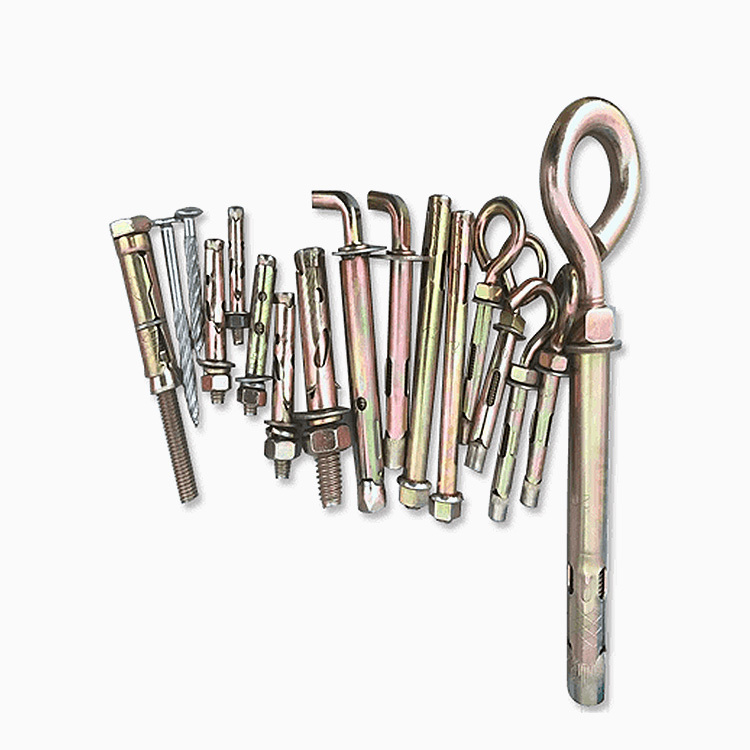
Expansion bolts, also known as expansion anchors, are specialized fasteners designed to secure objects to solid substrates like concrete, brick, or masonry. Their unique mechanism allows them to expand when installed, creating a strong hold that is essential for ensuring structural integrity in various applications. As a key component in the industrial equipment and components sector, understanding how expansion bolts work and the different types available can greatly enhance assembly efficiency and safety.
The primary operation of an expansion bolt involves a central bolt threaded through an anchor sleeve. When the bolt is tightened, it causes the sleeve to expand against the walls of the hole drilled into the base material. This expansion creates a grip that effectively holds the fastener in place, allowing it to withstand considerable tension and shear forces. The design of the expansion bolt allows it to be used in a wide range of settings, from anchoring machinery to securing shelving units.
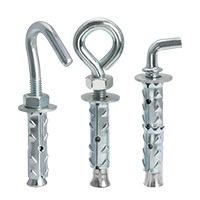
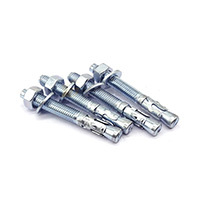
There are several types of expansion bolts, each suited for specific applications. Some of the most common include wedge anchors, sleeve anchors, and drop-in anchors. Wedge anchors are typically used in heavy-duty applications and offer high load-bearing capabilities. Sleeve anchors, on the other hand, are versatile and can be used in both concrete and brick, making them ideal for a variety of projects. Drop-in anchors are specifically designed for applications where a flush finish is required, often utilized in overhead installations.
When selecting expansion bolts, it is crucial to consider the environment in which they will be used. Factors such as load requirements, substrate material, and exposure to elements can influence the choice of bolt material and type. For instance, stainless steel expansion bolts are preferred in corrosive environments, while carbon steel bolts may be suitable for indoor applications.
Proper installation of expansion bolts is equally important. Adhering to the manufacturer's specifications for hole diameter and depth, as well as using the correct torque settings during installation, ensures optimal performance. Additionally, conducting regular inspections can help identify any signs of wear or failure, allowing for timely maintenance and replacement.
In summary, expansion bolts play a vital role in many industrial applications, providing secure and reliable fastening solutions. By understanding their design, types, and installation procedures, professionals in the industry can make informed decisions that enhance both safety and performance in their projects. Whether you are involved in construction, machinery assembly, or maintenance, knowledge of expansion bolts is essential for achieving effective results.
The primary operation of an expansion bolt involves a central bolt threaded through an anchor sleeve. When the bolt is tightened, it causes the sleeve to expand against the walls of the hole drilled into the base material. This expansion creates a grip that effectively holds the fastener in place, allowing it to withstand considerable tension and shear forces. The design of the expansion bolt allows it to be used in a wide range of settings, from anchoring machinery to securing shelving units.
There are several types of expansion bolts, each suited for specific applications. Some of the most common include wedge anchors, sleeve anchors, and drop-in anchors. Wedge anchors are typically used in heavy-duty applications and offer high load-bearing capabilities. Sleeve anchors, on the other hand, are versatile and can be used in both concrete and brick, making them ideal for a variety of projects. Drop-in anchors are specifically designed for applications where a flush finish is required, often utilized in overhead installations.
When selecting expansion bolts, it is crucial to consider the environment in which they will be used. Factors such as load requirements, substrate material, and exposure to elements can influence the choice of bolt material and type. For instance, stainless steel expansion bolts are preferred in corrosive environments, while carbon steel bolts may be suitable for indoor applications.
Proper installation of expansion bolts is equally important. Adhering to the manufacturer's specifications for hole diameter and depth, as well as using the correct torque settings during installation, ensures optimal performance. Additionally, conducting regular inspections can help identify any signs of wear or failure, allowing for timely maintenance and replacement.
In summary, expansion bolts play a vital role in many industrial applications, providing secure and reliable fastening solutions. By understanding their design, types, and installation procedures, professionals in the industry can make informed decisions that enhance both safety and performance in their projects. Whether you are involved in construction, machinery assembly, or maintenance, knowledge of expansion bolts is essential for achieving effective results.
Hot Tags:
PREVIOUS:

Contact
E-mail:
Phone:
Address:
Yongnian Southwest Development Zone, Handan City, Hebei Province


PRODUCT SEARCH
Search And Quickly Find The Products You Need
The company has a modern production workshop and a professional technical team. It has introduced advanced automated production equipment from home and abroad, strictly controls every production link, is customer-centric, and is committed to providing customers with high-quality products and services.
Continue Search OR Customize Products