




Hexagon Flange Bolts vs. Traditional Bolts: Unraveling the Key Differences for Optimal Performance
Feb 23,2025
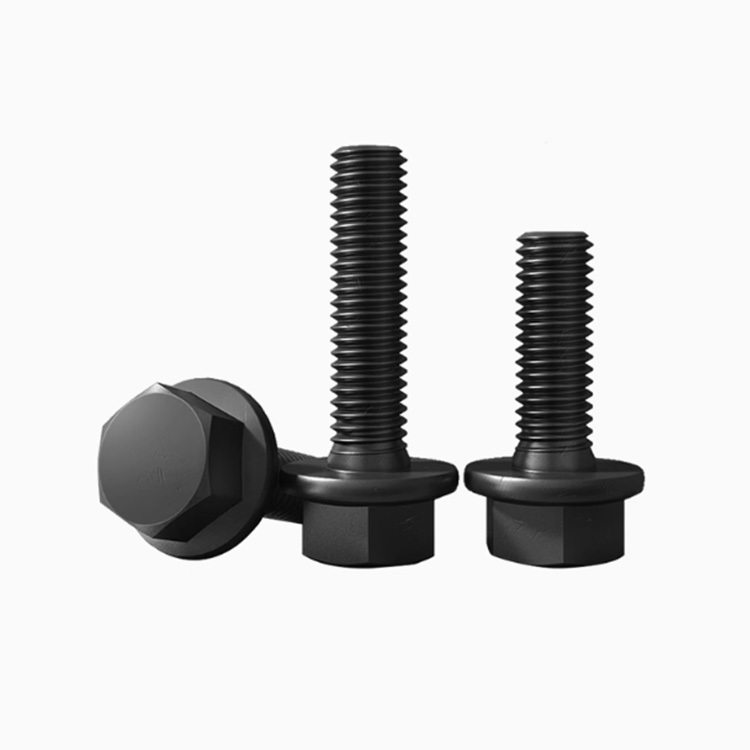
Hexagon Flange Bolts vs. Traditional Bolts: What’s the Difference?
Introduction to Fasteners: A Critical Component in Engineering
In the world of industrial equipment and components, fasteners play a vital role in ensuring structural integrity and reliability. Among these fasteners, **hexagon flange bolts** and **traditional bolts** are two commonly used options, each with its unique characteristics and applications. Understanding the differences between these fastening solutions is crucial for selecting the right one for specific tasks.
What are Hexagon Flange Bolts?
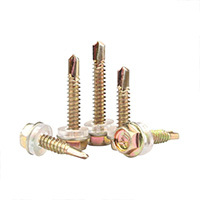
Hexagon flange bolts are specially designed fasteners featuring a hexagonal head with an integrated flange beneath it. This flange acts as a wide bearing surface, distributing the load over a larger area. Commonly used in construction and automotive applications, these bolts are known for their ability to resist loosening due to vibration, making them ideal for high-stress environments.
Characteristics of Hexagon Flange Bolts
Design and Structure
The **design** of hexagon flange bolts includes a hex-shaped head that can be easily tightened using a wrench, combined with a flat flange that provides additional stability. The flange helps to prevent the bolt from sinking into the material being fastened, reducing the risk of damage.
Material Composition
Typically manufactured from strong steel alloys, hexagon flange bolts may also be coated with materials like zinc for enhanced corrosion resistance. This makes them suitable for various industrial and outdoor applications.
Applications
You’ll find hexagon flange bolts widely used in:
- **Automotive assembly**: Due to their durability and vibration resistance.
- **Heavy machinery**: Where structural integrity is paramount.
- **Construction**: In frameworks and heavy-duty installations.
What are Traditional Bolts?
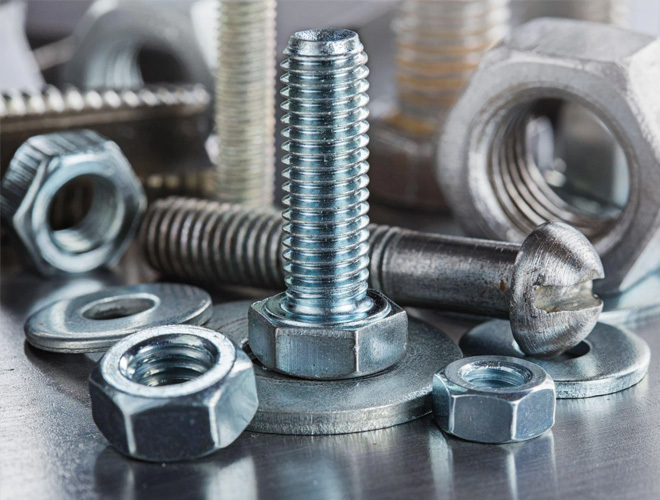
Traditional bolts, often referred to as standard bolts, are fasteners characterized by a head and a threaded shaft. Unlike hexagon flange bolts, traditional bolts do not have an integrated flange and require additional components, such as washers and nuts, to ensure a secure connection.
Characteristics of Traditional Bolts
Design and Structure
Traditional bolts come in a variety of head shapes, including hexagonal, square, and round. They can accommodate a range of nut types, allowing flexibility in fastening applications. However, they usually require more components for a secure assembly.
Material Composition
Similar to hexagon flange bolts, traditional bolts are often made from steel alloys but can also be found in materials like stainless steel or plastic, depending on the specific requirements of the application.
Applications
Traditional bolts are versatile and can be used in:
- **General construction**: Connecting various structural elements.
- **Furniture assembly**: Providing customizable fastening solutions.
- **Electronics**: For securing components in devices.
Key Differences Between Hexagon Flange Bolts and Traditional Bolts
Understanding the fundamental differences between hexagon flange bolts and traditional bolts is essential for making the right choice.
Flange vs. No Flange
The most significant difference is the flange present in hexagon flange bolts. This feature allows for better load distribution and eliminates the need for washers in many applications, simplifying assembly.
Vibration Resistance
Hexagon flange bolts excel in environments subject to vibrations, as the flange design helps maintain tension and prevents loosening. Traditional bolts may require additional locking mechanisms to achieve similar stability.
Assembly Requirements
Hexagon flange bolts can be installed quickly since they do not require washers, reducing assembly time. Traditional bolts, on the other hand, necessitate additional components, which can complicate the installation process.
Load Distribution
The wider surface area of the flange in hexagon flange bolts better distributes the load, minimizing stress on the material being fastened. Traditional bolts may concentrate force in a smaller area, which could lead to potential material failure.
Choosing the Right Fastener for Your Project
When deciding between hexagon flange bolts and traditional bolts, consider the following factors:
Application Environment
Evaluate whether the application will be exposed to vibrations, moisture, or extreme temperatures. Hexagon flange bolts are typically more suitable for dynamic environments.
Material Compatibility
Assess the materials you will be fastening. Hexagon flange bolts may provide more stability for softer materials, while traditional bolts can be used effectively with harder materials when paired with appropriate nuts and washers.
Ease of Installation
If quick assembly is a priority, hexagon flange bolts may be the better option. In contrast, if you require more flexibility in fastening solutions, traditional bolts could be advantageous.
Advantages of Hexagon Flange Bolts
Hexagon flange bolts offer several advantages that make them a superior choice in many applications. Here are some key benefits:
Enhanced Load Bearing Capacity
The flange design provides a larger bearing surface, allowing these bolts to handle more load without slipping or damaging the material.
Reduced Risk of Loosening
The unique structure of hexagon flange bolts helps to maintain tightness under vibration, reducing the frequency of maintenance checks required.
Simplified Assembly Process
With no need for additional washers, hexagon flange bolts streamline the assembly process, saving time and labor costs.
Benefits of Traditional Bolts
While hexagon flange bolts have distinct advantages, traditional bolts also present unique benefits that should be considered:
Versatility in Applications
Traditional bolts can be used in a wider range of applications due to the variety of shapes, sizes, and materials available.
Cost-Effectiveness
In many cases, traditional bolts can be more affordable than their hexagon flange counterparts, making them a popular choice for budget-conscious projects.
Common Misconceptions About Fasteners
As with any industry, there are a few myths about hexagon flange bolts and traditional bolts that need clarification:
Myth 1: Hexagon Flange Bolts Are Always Better
While hexagon flange bolts provide significant advantages in specific applications, traditional bolts can be more appropriate in scenarios requiring versatility and cost-effectiveness.
Myth 2: All Bolts Are the Same
Bolts differ in design, structure, and application. Choosing the right type is crucial for ensuring safety and reliability in your projects.
FAQs
1. What are the main uses of hexagon flange bolts?
Hexagon flange bolts are primarily used in automotive, construction, and heavy machinery applications due to their durability and resistance to vibration.
2. When should I choose traditional bolts over hexagon flange bolts?
If your project requires a versatile fastening solution or is budget-sensitive, traditional bolts may be the better choice.
3. Can hexagon flange bolts be used in outdoor applications?
Yes, hexagon flange bolts are suitable for outdoor applications, especially if they are coated for corrosion resistance.
4. Are hexagon flange bolts more expensive than traditional bolts?
In general, hexagon flange bolts may be slightly more expensive due to their specialized design, but the benefits they offer can justify the cost.
5. How can I ensure that my bolts do not loosen over time?
To prevent loosening, consider using hexagon flange bolts in vibration-prone environments or employing locking washers and nuts with traditional bolts.
Conclusion
Understanding the differences between **hexagon flange bolts** and **traditional bolts** is essential for any engineer, manufacturer, or DIY enthusiast. Each type of fastener has its advantages and is suited to specific applications. By evaluating factors such as load distribution, vibration resistance, and installation ease, one can make an informed choice that ensures the integrity and reliability of their projects. Whether you opt for hexagon flange bolts or traditional bolts, selecting the right fastener is critical to achieving optimal performance in your industrial applications.
Hot Tags:

Contact
E-mail:
Phone:
Address:
Yongnian Southwest Development Zone, Handan City, Hebei Province


PRODUCT SEARCH
Search And Quickly Find The Products You Need
The company has a modern production workshop and a professional technical team. It has introduced advanced automated production equipment from home and abroad, strictly controls every production link, is customer-centric, and is committed to providing customers with high-quality products and services.
Continue Search OR Customize Products