




Understanding High Temperature Fasteners: Essential Insights for Industrial Applications
Oct 24,2025

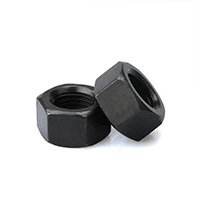
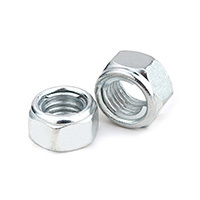
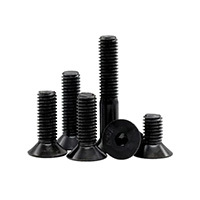
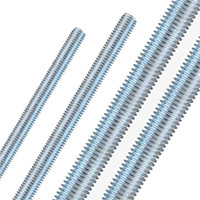
High temperature fasteners are specially designed to withstand extreme thermal conditions, making them essential for applications in industries such as aerospace, automotive, oil and gas, and power generation. When selecting fasteners for high temperature environments, it is important to consider several factors, including material properties, thermal expansion, and corrosion resistance.
The most common materials used for high temperature fasteners include titanium, Inconel, and various grades of stainless steel. These materials are known for their ability to maintain strength and stability at elevated temperatures. For instance, Inconel is a nickel-chromium superalloy that exhibits excellent oxidation resistance and maintains its mechanical properties even in extreme heat. Titanium, on the other hand, is known for its lightweight and high strength-to-weight ratio, making it ideal for aerospace applications.
In addition to material selection, understanding thermal expansion is vital when working with high temperature fasteners. Different materials expand and contract at varying rates when exposed to temperature fluctuations. This disparity can lead to loosening or failure of fasteners if not accounted for during installation. It is crucial to select fasteners that can accommodate these changes without compromising joint integrity.
Corrosion resistance is another key consideration, particularly in applications where high temperatures may be accompanied by aggressive environments such as chemicals or moisture. Fasteners with enhanced corrosion-resistant coatings or those made from inherently corrosion-resistant materials can help prolong service life and maintain performance.
Additionally, the design of the fastening system must take into account the specific application and environmental conditions. Factors such as load type (static or dynamic), installation method, and the presence of vibrations can influence the choice of high temperature fasteners. It is essential to collaborate with engineers and material specialists to determine the most suitable fastener types and configurations for a given application.
In summary, high temperature fasteners are a critical component in maintaining the reliability of industrial equipment under extreme conditions. By carefully selecting the appropriate materials, understanding thermal expansion, and considering corrosion resistance, professionals can ensure that their fastening solutions perform optimally in high temperature environments. As industries continue to evolve and demand higher performance standards, the importance of these specialized fasteners will only grow.
The most common materials used for high temperature fasteners include titanium, Inconel, and various grades of stainless steel. These materials are known for their ability to maintain strength and stability at elevated temperatures. For instance, Inconel is a nickel-chromium superalloy that exhibits excellent oxidation resistance and maintains its mechanical properties even in extreme heat. Titanium, on the other hand, is known for its lightweight and high strength-to-weight ratio, making it ideal for aerospace applications.
In addition to material selection, understanding thermal expansion is vital when working with high temperature fasteners. Different materials expand and contract at varying rates when exposed to temperature fluctuations. This disparity can lead to loosening or failure of fasteners if not accounted for during installation. It is crucial to select fasteners that can accommodate these changes without compromising joint integrity.
Corrosion resistance is another key consideration, particularly in applications where high temperatures may be accompanied by aggressive environments such as chemicals or moisture. Fasteners with enhanced corrosion-resistant coatings or those made from inherently corrosion-resistant materials can help prolong service life and maintain performance.
Additionally, the design of the fastening system must take into account the specific application and environmental conditions. Factors such as load type (static or dynamic), installation method, and the presence of vibrations can influence the choice of high temperature fasteners. It is essential to collaborate with engineers and material specialists to determine the most suitable fastener types and configurations for a given application.
In summary, high temperature fasteners are a critical component in maintaining the reliability of industrial equipment under extreme conditions. By carefully selecting the appropriate materials, understanding thermal expansion, and considering corrosion resistance, professionals can ensure that their fastening solutions perform optimally in high temperature environments. As industries continue to evolve and demand higher performance standards, the importance of these specialized fasteners will only grow.
Hot Tags:
Contact
E-mail:
Phone:
Address:
Yongnian Southwest Development Zone, Handan City, Hebei Province


PRODUCT SEARCH
Search And Quickly Find The Products You Need
The company has a modern production workshop and a professional technical team. It has introduced advanced automated production equipment from home and abroad, strictly controls every production link, is customer-centric, and is committed to providing customers with high-quality products and services.
Continue Search OR Customize Products