




The Environmental Benefits of Using Stainless Steel Bolts in Industrial Applications
Oct 31,2025
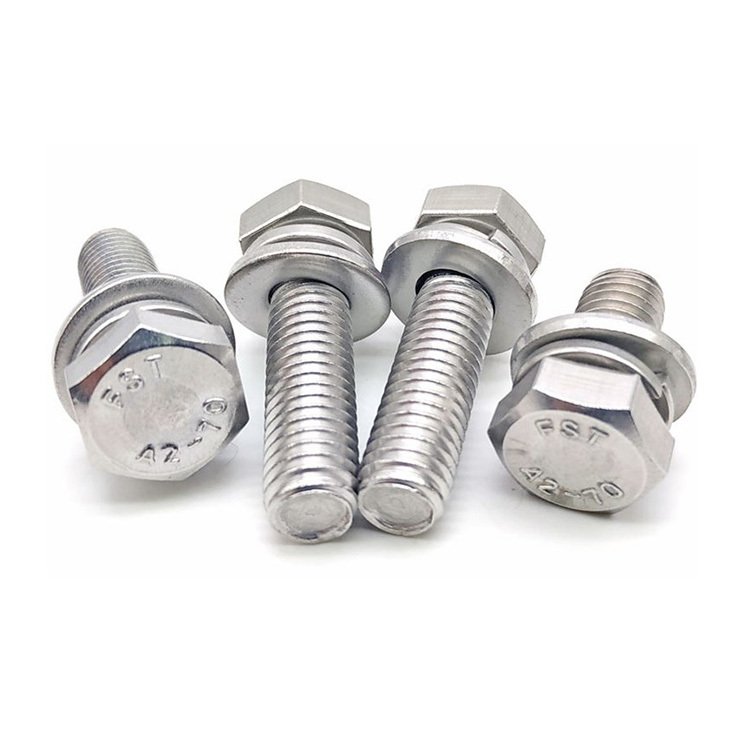
The Environmental Benefits of Using Stainless Steel Bolts in Industrial Applications
Table of Contents
- 1. Introduction to Stainless Steel Bolts
- 2. Why Choose Stainless Steel Bolts for Industrial Applications?
- 3. The Environmental Impact of Industrial Fasteners
- 4. Corrosion Resistance and Its Environmental Benefits
- 5. Energy Efficiency in Manufacturing and Usage
- 6. The Recyclability of Stainless Steel
- 7. Implementing Sustainable Practices in Fastening Solutions
- 8. Case Studies: Successful Use of Stainless Steel Bolts
- 9. Conclusion: The Future of Stainless Steel Bolts in Industry
- 10. Frequently Asked Questions
1. Introduction to Stainless Steel Bolts
Stainless steel bolts serve as essential components in various industrial applications, providing reliability, strength, and resistance to wear and tear. However, their environmental benefits have gained increasing attention. This article aims to explore the positive effects of incorporating stainless steel bolts into industrial settings, focusing on sustainability, durability, and overall environmental impact.
2. Why Choose Stainless Steel Bolts for Industrial Applications?
Stainless steel bolts are preferred in many industries due to their unique properties. Unlike conventional fasteners, stainless steel offers:
Durability and Strength
Stainless steel bolts exhibit exceptional strength and can withstand immense pressure and stress without deforming. This durability translates to longer-lasting connections, reducing the need for replacements and conserving resources.
Corrosion Resistance
One of the standout features of stainless steel is its resistance to corrosion. This longevity means fewer fasteners need to be manufactured and replaced, significantly lowering the environmental footprint associated with production.
Versatility
Available in various grades and finishes, stainless steel bolts can be utilized in diverse applications, from construction to automotive manufacturing. Their adaptability makes them suitable for both indoor and outdoor environments.
3. The Environmental Impact of Industrial Fasteners
The production and usage of industrial fasteners have traditionally posed several environmental challenges, including the following:
Resource Depletion
Manufacturing conventional fasteners often requires the extraction of raw materials, leading to resource depletion and habitat destruction. In contrast, stainless steel bolts help mitigate these issues due to their longevity.
Energy Consumption
The production process for traditional fasteners can be energy-intensive, contributing to greenhouse gas emissions. By adopting stainless steel bolts, industries can benefit from reduced energy consumption over time.
4. Corrosion Resistance and Its Environmental Benefits
Corrosion is a significant concern in industrial settings. The failure of fasteners due to corrosion can lead to catastrophic results, including equipment failure and environmental contamination.
Extending Lifespan
Stainless steel bolts resist corrosion, extending their lifespan significantly compared to other materials. This durability reduces waste and the need for frequent replacements, minimizing the environmental impact associated with manufacturing new components.
Reducing Environmental Contamination
When traditional fasteners corrode, they may release harmful substances into the environment. Stainless steel bolts, by maintaining their integrity, help prevent such contamination.
5. Energy Efficiency in Manufacturing and Usage
Energy efficiency plays a critical role in reducing the environmental impact of industrial operations.
Lower Energy Requirements
The manufacturing process for stainless steel bolts has become more energy-efficient due to advancements in technology. These improvements decrease the carbon footprint associated with production.
Operational Efficiency
Using stainless steel bolts can lead to fewer failures and maintenance issues, allowing for smoother operations and reduced energy consumption in industrial processes.
6. The Recyclability of Stainless Steel
Stainless steel boasts a significant advantage when it comes to recyclability.
Closed-Loop Recycling
Stainless steel can be recycled indefinitely without losing its properties. This closed-loop recycling process helps conserve raw materials and reduces waste.
Encouraging Sustainable Practices
By choosing stainless steel bolts, industries not only benefit from their properties but also contribute to a more sustainable approach to manufacturing and resource management.
7. Implementing Sustainable Practices in Fastening Solutions
To maximize the environmental benefits of stainless steel bolts, industries must adopt comprehensive sustainable practices.
Lifecycle Assessment
Conducting a lifecycle assessment can help companies identify areas for improvement in sourcing, manufacturing, and disposal of fasteners. This strategic approach ensures that environmental impacts are minimized throughout the product's life.
Supplier Collaboration
Partnering with suppliers who prioritize sustainability can enhance the overall eco-friendliness of fastener solutions. By working together, companies can innovate and develop more sustainable materials and practices.
8. Case Studies: Successful Use of Stainless Steel Bolts
Examining real-world applications can provide valuable insights into the benefits of using stainless steel bolts.
Construction Industry
In large-scale construction projects, stainless steel bolts have demonstrated their ability to withstand harsh conditions while minimizing maintenance costs. This case study highlights the long-term savings associated with reduced replacements and repairs.
Automotive Engineering
The automotive industry increasingly opts for stainless steel bolts due to their corrosion resistance and strength. This shift has resulted in vehicles that are not only more reliable but also environmentally friendly.
9. Conclusion: The Future of Stainless Steel Bolts in Industry
The environmental benefits of using stainless steel bolts in industrial applications are clear. Their durability, resistance to corrosion, energy efficiency, and recyclability make them the preferred choice for sustainable practices in modern industries. As companies increasingly prioritize eco-friendliness, the adoption of stainless steel bolts will likely continue to grow, leading to a greener future.
10. Frequently Asked Questions
1. Are stainless steel bolts more expensive than traditional fasteners?
While the initial cost of stainless steel bolts may be higher, their durability and lower maintenance needs often result in cost savings in the long run.
2. How does stainless steel compare to other materials in terms of environmental impact?
Stainless steel is generally more environmentally friendly due to its recyclability and longevity, reducing the need for frequent replacements.
3. Can stainless steel bolts be used in all industrial applications?
Yes, stainless steel bolts are versatile and can be used in a wide range of industries, including construction, automotive, and manufacturing.
4. What factors should companies consider when transitioning to stainless steel bolts?
Companies should assess their current fastener use, cost implications, and the potential for improved sustainability before making the transition.
5. Are there specific grades of stainless steel that are better for environmental sustainability?
Certain grades, like 316 and 304, are known for their corrosion resistance and general sustainability, making them suitable for a variety of applications.
Incorporating stainless steel bolts into industrial applications not only enhances performance but also significantly contributes to environmental sustainability. By understanding and leveraging their benefits, industries can pave the way for a more sustainable future.
Hot Tags:
PREVIOUS:

Contact
E-mail:
Phone:
Address:
Yongnian Southwest Development Zone, Handan City, Hebei Province


PRODUCT SEARCH
Search And Quickly Find The Products You Need
The company has a modern production workshop and a professional technical team. It has introduced advanced automated production equipment from home and abroad, strictly controls every production link, is customer-centric, and is committed to providing customers with high-quality products and services.
Continue Search OR Customize Products